
How To
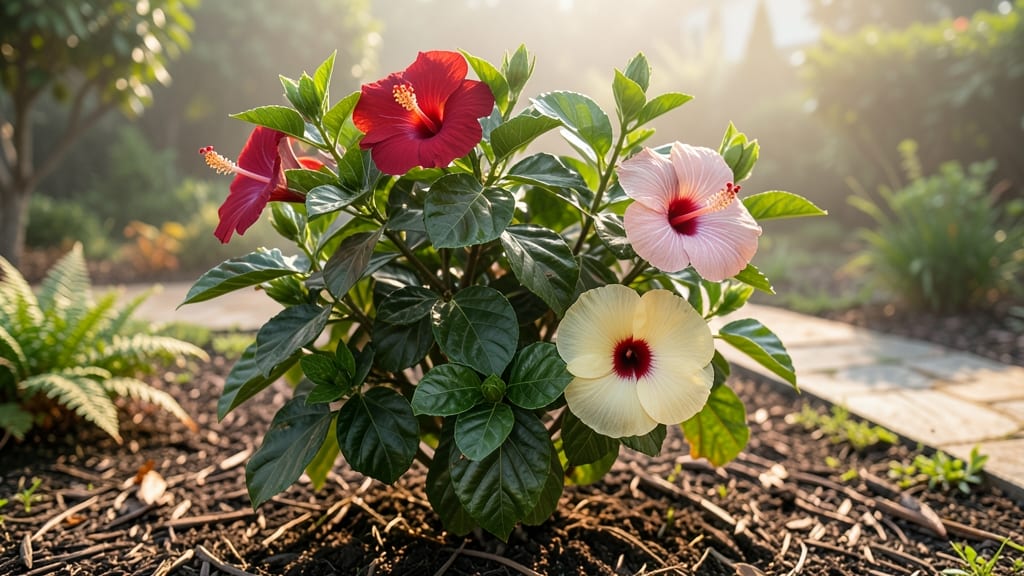
If you’ve ever wondered how tall do tropical hibiscus grow—especially when space is limited—you’ll love this: many stunning varieties thrive at just 3–6 feet, making them perfect for containers or small gardens.
The iconic 🌺 tropical hibiscus (Hibiscus rosa-sinensis) often reaches 6–15 feet in ideal conditions, but dwarf and compact cultivars can stay under 3 feet while still bursting with vibrant blooms.
What’s the secret to keeping them manageable? It starts with choosing the right variety—like the 'Dwarf Red' or 'Pinksplash'—and smart care techniques. Whether you’re in USDA zones 10–12 or growing in pots, understanding their growth habits helps you create a showstopping display without sacrificing space.
In this guide, I’ll break down the height ranges of popular tropical hibiscus types, share tips for controlling their size naturally, and highlight the best compact varieties for small gardens. Ready to transform your space with these tropical beauties?
Let’s dive into how to pick the perfect hibiscus for your setup—whether you’re dreaming of a 6-foot statement plant or a 3-foot container star.


Tropical hibiscus height ranges: from dwarf to tall varieties
Tropical hibiscus plants typically reach 6 to 15 feet at maturity, but their growth varies dramatically between varieties. The standard tropical hibiscus (Hibiscus rosa-sinensis) often grows 8 to 12 feet tall in ideal conditions, while some compact cultivars stay under 3 feet.
Understanding these height ranges helps you choose the perfect variety for your space—whether it's a small patio or a large garden bed.
Most tropical hibiscus plants grow 3 to 5 feet in their first year, then 6 to 8 feet by year two. After three years, they can reach their full height, especially in warm, sunny climates like USDA zones 10-12.
However, pruning and container growing can significantly reduce their size, making them suitable for balconies and small yards.
If you're wondering, "How tall do tropical hibiscus grow in containers?" the answer depends on the pot size and variety. Dwarf varieties thrive in 15-gallon containers and rarely exceed 3 feet, while standard types may reach 5 to 6 feet in large pots.
Always ensure your container has drainage holes to prevent root rot, a common issue with hibiscus.
Here’s a quick comparison: 'Pinksplash' stays under 3 feet, while 'Hawaiian Sunset' can grow 10 to 12 feet tall. The key to managing height lies in selecting the right variety and providing proper care, including regular pruning and balanced fertilization.
When planting tropical hibiscus, always consider spread as well as height. Some varieties, like 'Dwarf Red', grow 2 to 3 feet tall but spread 3 to 4 feet wide, making them perfect for hedges or borders.
In contrast, taller varieties like 'Lady Baltimore' can reach 10 feet tall with a 6-foot spread, requiring more space.
For small gardens or patios, focus on dwarf or semi-dwarf varieties. These plants thrive in containers or raised beds and produce abundant blooms without taking over your space. Just ensure they get at least 6 hours of sunlight daily—this is non-negotiable for healthy growth and vibrant flowers.
If you’re growing tropical hibiscus in cooler climates (like USDA zone 9), expect slower growth.
They may only reach 4 to 6 feet in their first year and require winter protection, such as moving pots indoors or covering them with frost cloth. Pruning in late winter helps encourage bushier growth and more flowers.
One common mistake is assuming all tropical hibiscus grow tall and unmanageable. In reality, with the right variety and care, you can enjoy stunning hibiscus blooms in even the smallest of spaces.
Whether you choose a 3-foot dwarf or a 10-foot standard, these plants reward patience and attention with show-stopping flowers all year round.
Ready to pick the perfect hibiscus for your space? Start by matching your garden size to the variety’s mature height, and don’t forget to prune regularly to maintain your desired shape. Happy gardening! 🌺
Tropical hibiscus height ranges: from dwarf to tall varieties
Tropical hibiscus (Hibiscus rosa-sinensis) typically reach heights between 6 and 15 feet in ideal conditions, but their growth varies dramatically by variety. Most standard types grow 8–12 feet tall over 3–5 years, while some tropical hybrids can soar to 15 feet or more with proper care.
Understanding these ranges helps you choose the perfect hibiscus for your space, whether it's a small balcony or a large landscape.
For gardeners with limited space, the good news is that compact varieties exist. Dwarf hibiscus, though rare, can stay under 3 feet tall, making them ideal for containers or small gardens. Mid-size varieties (3–6 feet) strike a balance, offering manageable heights without sacrificing bloom size.
Meanwhile, taller tropical hibiscus (6+ feet) thrive in landscape borders or tropical-themed backyards, providing dramatic focal points.
| Variety Type | Mature Height | Growth Rate | Ideal Spacing |
|---|---|---|---|
| Dwarf Varieties | 2–3 ft | Slow to moderate | 1–2 ft from edges |
| Mid-Size Varieties | 3–6 ft | Moderate | 3–4 ft apart |
| Standard Tropical | 6–12 ft | Fast | 5–6 ft apart |
| Tall Hybrids | 10–15 ft+ | Very fast | 8–10 ft apart |
Climate plays a huge role in hibiscus height. In USDA Zones 10–12, tropical hibiscus grow aggressively year-round, often reaching their full height within 3–5 years. However, in cooler microclimates, growth slows, and plants may stay shorter unless protected from frost.
For example, a hibiscus in Zone 9 might max out at 8 feet instead of 12.
Soil quality and sunlight also influence height. Well-draining, nutrient-rich soil with 6+ hours of direct sunlight encourages faster, taller growth, while poor soil or shade can stunt a hibiscus to half its expected height.
If you’re growing hibiscus in containers, root restriction naturally limits height, often keeping plants 20–30% shorter than their ground-planted counterparts.
Pruning is another key factor. Regular light pruning (removing dead or overgrown branches) keeps hibiscus neat and manageable, while hard pruning (cutting back by 1/3) can reset growth height.
For example, a 10-foot hibiscus pruned annually might stay around 6–8 feet tall. Just avoid heavy pruning in late summer, as new growth won’t harden off before winter.
If you’re planning your hibiscus layout, remember: spacing matters. A 6-foot hibiscus needs at least 3–4 feet of space on all sides to avoid crowding, while taller varieties (10+ feet) should have 8+ feet of clearance.
In small gardens, opt for dwarf or mid-size varieties and pair them with complementary low-growing plants like coleus or caladiums to create a lush, layered look.