
How To
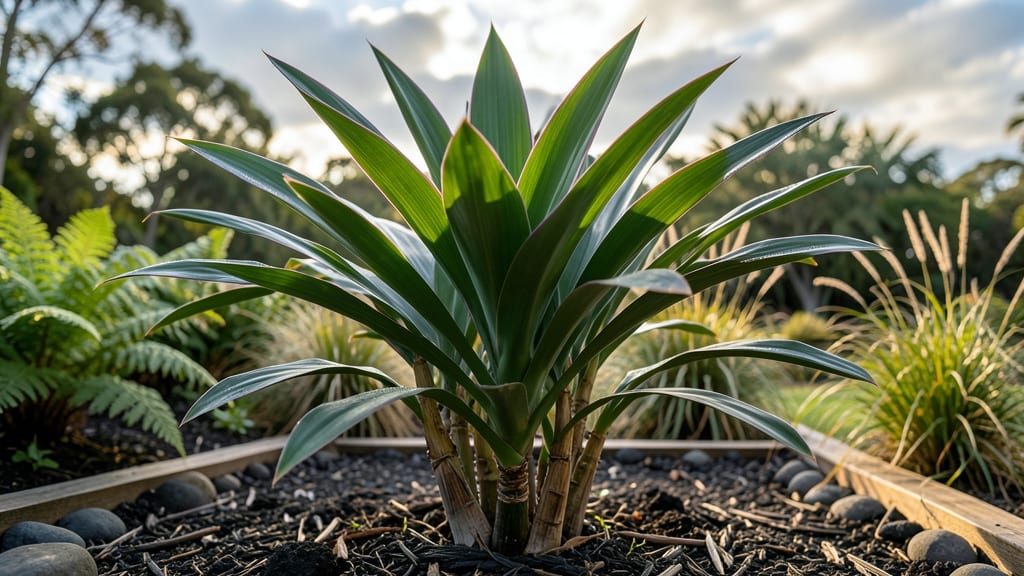
If you're wondering how tall does a cordyline grow, the answer might surprise you—some varieties stretch toward the sky like small trees, while others stay neatly contained in pots.
With heights ranging from a modest 2 feet to towering 15 feet, choosing the right type for your space is key.
Whether you're dreaming of a dramatic backyard statement plant or a compact container showstopper, understanding these heights helps you plan with confidence. I’ll break down the most popular cordyline varieties and their mature sizes, so you can pick the perfect fit for your garden or patio.
Sunlight, soil, and even your pruning habits play a role in how tall your cordyline will grow. Let’s explore what influences their height and how to keep them looking their best—no matter which variety you choose.
From dwarf varieties that thrive in tight spaces to bold giants that command attention, cordyline offers something for every gardener. Ready to find your match? Let’s dive in.


Cordyline height by variety: from dwarf to towering giants
Cordyline plants are stunning architectural additions to gardens, but their mature height can vary dramatically depending on the variety. Some stay compact enough for containers, while others grow tall enough to rival small trees.
Understanding these differences will help you choose the perfect cordyline for your space and avoid future regrets.
Most cordyline varieties grow between 3 to 15 feet at maturity, but some dwarf cultivars stay under 3 feet. The key is selecting a variety that matches your garden's layout and your willingness to maintain its size.
For example, Cordyline fruticosa (Ti plant) can reach 10–15 feet, while Cordyline australis (Cabbage Tree) typically tops out at 6–12 feet.
Here’s a quick look at how some popular varieties compare in height and growth habits to help you plan:
| Variety | Mature Height | Growth Rate | Best For |
|---|---|---|---|
| Cordyline fruticosa 'Red Star' | 6–10 ft | Moderate (1–2 ft/year) | Tropical gardens, containers (with support) |
| Cordyline australis | 6–12 ft | Slow to moderate | Open landscapes, coastal gardens |
| Cordyline 'Sunset' | 3–5 ft | Slow (1 ft/year) | Containers, small gardens, patios |
| Cordyline 'Torbay Dazzler' | 2–3 ft | Very slow | Borders, window boxes, indoor pots |
| Cordyline 'Fire Dance' | 4–6 ft | Moderate | Accent plant, mixed borders |
If you’re working with limited space, dwarf varieties like 'Torbay Dazzler' or 'Sunset' are ideal for containers or small gardens. These stay under 3–5 feet and require minimal pruning.
On the other hand, if you’re designing a bold statement piece, Cordyline australis or 'Red Star' will create a dramatic focal point in your outdoor space.
Growth rates also play a role in planning. Most cordyline varieties grow 1–2 feet per year, but some, like 'Fire Dance', may grow slightly faster in ideal conditions. This means a 3-foot plant today could be 6 feet tall in just three years if given the right care.
Another factor to consider is how cordyline plants spread. While they don’t spread aggressively like some grasses, their clumping habit can fill space over time. For example, a Cordyline australis planted near a fence may eventually reach the top, requiring regular height checks or pruning to keep it in check.
For container gardening, always choose a variety that fits your pot’s size. A 15-gallon container can comfortably hold a 3–4 foot cordyline like 'Sunset', but a 50-gallon pot is better suited for taller varieties like 'Red Star'.
Root-bound plants grow slower, so upgrading containers every few years can encourage healthier growth.
Light exposure also influences height. Cordyline plants grown in full sun tend to grow taller and more upright, while those in partial shade may stay shorter and bushier. If you’re unsure about sunlight conditions, opt for a dwarf variety that tolerates shade better, like 'Torbay Dazzler'.
Pro tip: If you’re unsure about a variety’s mature height, check the plant tag or ask your local nursery. Many growers provide height estimates, and some even offer miniature versions of popular cordylines for smaller spaces.
With the right choice, you can enjoy this versatile plant without sacrificing your garden’s layout!
Cordyline height by variety: from dwarf to towering giants
Cordyline plants offer a stunning range of heights, from compact dwarf varieties perfect for containers to tree-like giants that dominate landscapes. The mature size depends entirely on the specific cultivar—some stay under 3 feet, while others can soar to 15 feet or more.
Understanding these differences helps you choose the right plant for your space, whether it's a cozy patio or a sprawling backyard.
Most cordylines grow 1-2 feet in their first year, then 3-5 feet by year two, before reaching their full height by year three or four. Their growth rate slows significantly after establishing roots, making them low-maintenance once planted.
However, some tropical varieties continue growing steadily for decades, so planning ahead is key.
Here’s how the most popular cordyline varieties compare in height, along with their ideal growing conditions and growth habits:
| Variety | Mature Height | Growth Rate | Best For |
|---|---|---|---|
| Cordyline fruticosa 'Red Star' | 10–15 ft | Slow to moderate | Large landscapes, tropical gardens |
| Cordyline australis 'Torbay Dazzler' | 6–8 ft | Moderate | Medium gardens, containers (with support) |
| Cordyline indivisa 'Silver Star' | 3–5 ft | Slow | Containers, small patios, borders |
| Cordyline 'Baby Blue' | 2–3 ft | Very slow | Dwarf gardens, indoor pots, rockeries |
| Cordyline 'Fire Dance' | 8–12 ft | Moderate to fast | Statement plants, tropical backyards |
If you’re working with limited space, opt for dwarf varieties like 'Baby Blue' or 'Silver Star,' which thrive in containers and rarely exceed 3 feet. For bold focal points, 'Red Star' or 'Fire Dance' will create dramatic height and texture in your garden design.
Always check the light requirements—most cordylines prefer full sun to partial shade, but taller varieties may need morning sun to prevent leaf scorch.
Pro tip: Measure your garden beds or container depths before planting. Cordylines have shallow but wide root systems, so they need room to spread horizontally as they grow vertically.
A 5-gallon pot works for dwarf varieties, while tree-like cordylines need at least 15 gallons of soil volume to support their height.
For urban gardens or small yards, consider pruning or staking taller varieties to control their spread. Some gardeners even train cordylines as small trees by removing lower leaves to create a clean trunk. The key is balancing their natural growth habits with your space constraints.