
Plants
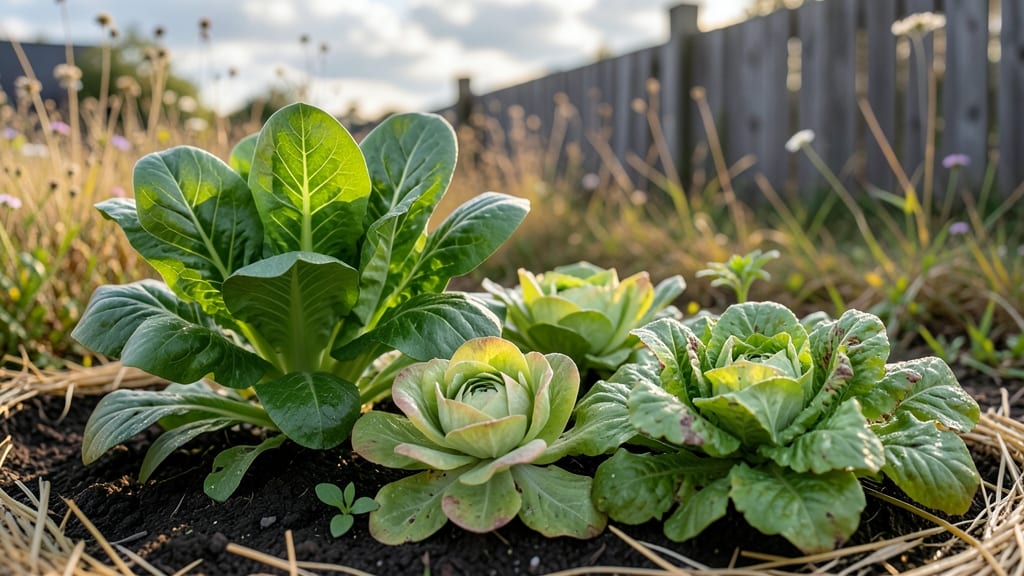
If you’ve ever wondered how tall do lettuce plants grow, you’re not alone—many gardeners struggle to visualize their 🥬 space needs before planting.
The answer varies wildly, from delicate 6-inch leaf varieties to sturdy 2-foot romaine stalks, and getting it right means the difference between a thriving salad garden and a crowded, leggy mess.
Why does this matter? Because proper spacing isn’t just about aesthetics—it’s about health. Crowded lettuce plants compete for sunlight and nutrients, leading to bitter leaves or premature bolting (that unwanted flowering). But with the right variety and care, you can maximize your harvest without sacrificing size or flavor.
I’ll break down the height ranges for popular types—like the compact butterhead or the towering romaine—and share pro tips for keeping them at their ideal height. Whether you’re working with a windowsill garden or a backyard plot, these insights will help you plan like a pro.
Ready to stop guessing and start growing? Let’s dive into the varieties, spacing secrets, and care tricks that’ll give you the perfect-sized lettuce every time.


Lettuce plant height by variety: from tiny leafy greens to towering stalks
If you're planning your garden beds or container setup, knowing the mature height of lettuce plants is essential. Lettuce varieties range from compact butterheads to taller romaine stalks, and their growth habits directly impact how you space them.
For example, a loose-leaf variety like Black Seeded Simpson might stay under 12 inches, while a romaine variety like Parris Island can reach nearly 2 feet tall. Understanding these differences helps you avoid overcrowding and maximize your harvest.
Most lettuce plants fall into three height categories: dwarf (6-12 inches), semi-dwarf (12-18 inches), and standard (18-24 inches). The variety you choose determines not just height but also growth speed, leaf density, and even flavor.
For instance, butterhead lettuce typically stays on the shorter side, while oakleaf varieties can grow taller with broader leaves. Let’s break down the most popular types and their ideal mature heights to help you plan your garden layout.
| Variety | Mature Height | Growth Habit | Spacing Needs |
|---|---|---|---|
| Butterhead (e.g., Buttercrunch, Bibb) | 6-12 inches | Rosette (compact, rounded) | 8-12 inches apart |
| Romaine (e.g., Parris Island, Cos) | 12-24 inches | Upright (elongated stalks) | 12-18 inches apart |
| Loose-Leaf (e.g., Black Seeded Simpson, Oakleaf) | 8-16 inches | Bushy, sprawling | 6-10 inches apart |
| Iceberg (e.g., Iceberg, Crisphead) | 12-18 inches | Compact head | 12-16 inches apart |
| Leaf Lettuce (e.g., Red Sails, Salad Bowl) | 10-20 inches | Open, multi-leafed | 8-12 inches apart |
When selecting varieties, consider your garden space constraints and intended use. For example, loose-leaf lettuce is perfect for container gardening or succession planting because its shorter stature and sprawling habit make it ideal for small pots or interplanting.
On the other hand, romaine varieties thrive in rows with more space between plants, allowing their taller stalks to develop fully without competing for nutrients. If you're growing lettuce in shallow containers, opt for dwarf varieties like Buttercrunch to prevent root binding and ensure healthy growth.
Another key factor is harvest timing, which varies by variety. Shorter varieties like butterhead lettuce often mature in 30-40 days, while taller romaine can take 60-70 days to reach full height and harvest readiness. This difference impacts when you’ll need to replant or rotate crops.
For instance, if you’re growing lettuce in spring and fall, you might start with faster-maturing loose-leaf varieties in early spring, followed by taller romaine varieties as temperatures cool in late summer.
If you're new to growing lettuce, start with a mix of heights to test what works best in your space. For example, plant butterhead lettuce in the front of a bed and romaine lettuce in the back.
This not only creates visual interest but also ensures you’re utilizing vertical space efficiently. Just remember that overcrowding can lead to bolting (premature flowering) or leaf bitterness, so always follow the spacing guidelines for each variety.
For container gardeners, choose varieties that won’t outgrow their pots. A 5-gallon container can comfortably hold 3-4 dwarf lettuce plants spaced 6 inches apart, while a 10-gallon container can accommodate 2-3 semi-dwarf plants like romaine.
If you’re growing lettuce in hanging baskets, opt for trailing varieties like loose-leaf lettuce, which can spill over the edges beautifully while staying manageable in height.
One common mistake is assuming all lettuce plants grow the same height. In reality, the difference between a 6-inch butterhead and a 2-foot romaine can dramatically change your garden layout.
For example, if you’re growing lettuce alongside taller plants like tomatoes or peppers, place the shorter varieties in front to avoid shading issues. Conversely, if you’re growing lettuce in a high tunnel or greenhouse, taller varieties can take advantage of the extra vertical space without competing for light.
To maximize your lettuce harvest, consider interplanting
How lettuce growth habits affect your garden space planning
Lettuce plants may seem small, but their growth habits can drastically impact how you arrange them in your garden. Understanding whether your variety grows in a rosette shape or upright can help you avoid overcrowding and maximize yield.
For example, loose-leaf varieties like Black Seeded Simpson sprawl wider, while romaine types grow taller and more compact.
If you're working with limited space, container gardening is a great solution. Dwarf varieties like Buttercrunch thrive in pots just 6-8 inches deep, while taller romaine can fit in containers 12 inches deep.
Just ensure proper spacing between plants—typically 6-12 inches apart—to prevent competition for nutrients and sunlight.
For in-ground gardens, upright varieties (like Little Gem romaine) can be planted in rows 12-18 inches apart, while spreading types (such as oakleaf lettuce) need 18-24 inches between plants. This spacing ensures airflow, reducing the risk of fungal diseases like downy mildew.
| Variety | Growth Habit | Spacing (in-ground) | Container Depth |
|---|---|---|---|
| Butterhead (e.g., Bibb) | Rosette | 12 inches apart | 6-8 inches |
| Romaine (e.g., Little Gem) | Upright | 12-18 inches apart | 12 inches |
| Loose-leaf (e.g., Black Seeded Simpson) | Spreading | 18-24 inches apart | 6-8 inches |
| Oakleaf (e.g., Lollo Rossa) | Rosette | 18 inches apart | 8-10 inches |
To maximize yield in small spaces, consider succession planting. Instead of planting all your lettuce at once, stagger seeds every 2 weeks for a continuous harvest.
This works especially well with cut-and-come-again varieties, where you can trim outer leaves and let the plant regrow for 3-4 harvests per planting.
If you're growing lettuce near taller plants like tomatoes or peppers, place them on the north side to avoid shading. Lettuce thrives with 4-6 hours of morning sun, so positioning is key.
For urban gardeners, vertical planters or hanging baskets can save space while keeping lettuce accessible and well-lit.
Remember, proper spacing isn’t just about aesthetics—it’s about plant health. Overcrowded lettuce struggles to develop crisp, flavorful leaves and is more prone to pests. By planning ahead, you’ll enjoy bountiful harvests without the chaos. 🌱