
How To
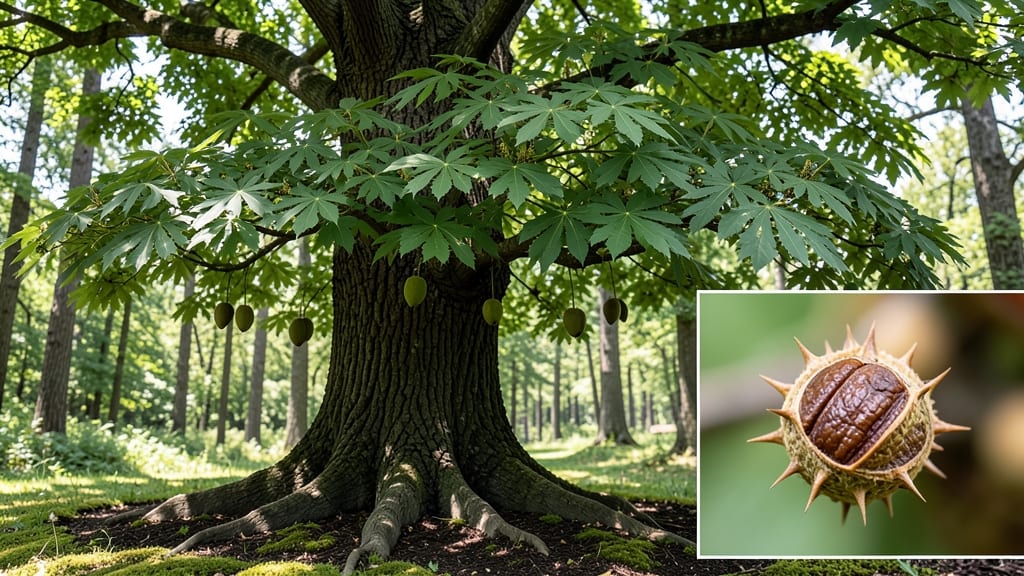
Black walnut tree height: mature size and growth rate explained
A black walnut tree (Juglans nigra) is a powerhouse of the forest floor, capable of reaching heights that will leave you in awe. On average, these trees grow between 40 to 70 feet tall at maturity, with some exceptional specimens stretching up to 75 feet under ideal conditions.
Their sprawling canopy can spread 30 to 50 feet wide, creating a massive shade umbrella perfect for backyard retreats—but challenging for smaller yards.
If you're planning to plant one, know that height isn’t the only factor. The tree’s growth rate is also impressive, with young black walnut trees gaining 1 to 2 feet per year during their first decade.
By year 10, your tree could already be 15 to 20 feet tall, making early planning essential for managing its eventual size.
Now, let’s talk specifics. The summary table below breaks down the key details of a black walnut tree’s growth, including height milestones, growth rates, and factors that influence its final size.
| Growth Stage | Height Range | Annual Growth Rate | Key Influences |
|---|---|---|---|
| First Year | 2–4 feet | 1–2 feet | Soil quality, water access |
| Years 2–5 | 6–15 feet | 1–2 feet | Sunlight exposure, pruning |
| Years 10–20 | 20–40 feet | 0.5–1.5 feet | Climate, competition |
| Mature (30+ years) | 40–75 feet | 0.2–0.5 feet | Root space, nutrients |
Note: Growth rates slow as trees mature.
Several factors determine whether your black walnut tree will hit the upper end of the height spectrum or stay more modest. Soil quality is critical—these trees thrive in well-draining, slightly acidic soil (pH 6.0–7.5).
If your soil is clay-heavy or compacted, growth may slow, but the tree will still reach impressive heights given time.
Climate also plays a role. Black walnut trees are hardy in USDA zones 4–9, but they grow fastest in warm, humid climates with long growing seasons. In cooler regions, growth may be slower, but the tree will still mature to its full height—just over a longer period. For example, a tree in Zone 5 might take 20–30 years to reach maturity, while one in Zone 8 could hit 40 feet in 15 years.
Don’t overlook the impact of pruning and care. Regular pruning can slow vertical growth by encouraging a fuller canopy and redirecting energy toward lateral branches. However, improper pruning—like topping the tree—can stimulate sprout growth, leading to a messy, dense crown that grows even taller over time.
Always prune in late winter or early spring to avoid stressing the tree during its active growing season.
If you’re working with a limited space, consider planting your black walnut tree near a property line or fence to maximize its shade benefits without encroaching on your living area.
Just ensure it has at least 50 feet of clearance in all directions to avoid future conflicts with power lines, roofs, or neighboring structures.
For those who love the idea of black walnut nuts but worry about the tree’s size, don’t despair. The next section explores space-saving varieties that deliver the same rich flavor and shade—just on a smaller scale. These cultivars are perfect for urban gardens or suburban backyards where every inch counts.
Black walnut tree height: mature size and growth rate explained
A black walnut tree (Juglans nigra) is a statuesque giant in the world of shade trees, typically reaching heights of 40 to 75 feet at maturity. That’s taller than a 3-story building!
Their majestic presence makes them a prized addition to large properties, but their size often leaves homeowners with space concerns. Understanding their growth patterns helps you plan for long-term success.
In their first year, these trees grow 2 to 4 feet tall, and by year three, they can reach 12 to 18 feet. Their rapid early growth slows slightly as they mature, but they still add 1 to 2 feet annually under ideal conditions.
With a sprawling canopy of 30 to 50 feet wide, they need plenty of room to thrive without crowding other plants or structures.
🌳 Black Walnut Tree Growth Summary
| Stage | Height Range | Growth Rate |
|---|---|---|
| Year 1 | 2–4 ft | Rapid early growth |
| Year 3 | 12–18 ft | 1–2 ft annually |
| Mature | 40–75 ft | Slowing growth |
| Canopy Spread | 30–50 ft | Wide-reaching branches |
Several factors influence how tall your black walnut tree grows. Soil quality plays a crucial role—well-draining, slightly acidic soil (pH 6.0–7.0) promotes healthier growth. Climate conditions also matter: trees in USDA Zones 4–9 thrive, but those in warmer zones may grow faster. Pruning habits can significantly impact height, especially if you aim to keep the tree more manageable.
If you’re planting near power lines or buildings, consider the tree’s mature height and potential spread. A black walnut tree planted too close to structures may require regular pruning to prevent root or branch interference.
Always check local regulations before planting, as some areas have height restrictions for trees near sidewalks or roads.
For homeowners with limited space, focusing on dwarf or semi-dwarf varieties can be a game-changer. While standard black walnut trees dominate the landscape, certain cultivars stay under 20 feet tall while still producing high-quality nuts.
These varieties are perfect for small yards or urban gardens where space is at a premium.
To ensure your tree reaches its full potential, provide full sun exposure (6+ hours daily) and deep, consistent watering, especially during the first few years. Mulching around the base helps retain moisture and regulates soil temperature, which supports steady growth without sudden height spikes.
With the right care, your black walnut tree will become a stunning centerpiece—whether it’s a towering giant in a spacious yard or a compact beauty in a small garden. The key is planning ahead and choosing the right variety for your space.