
Flowers
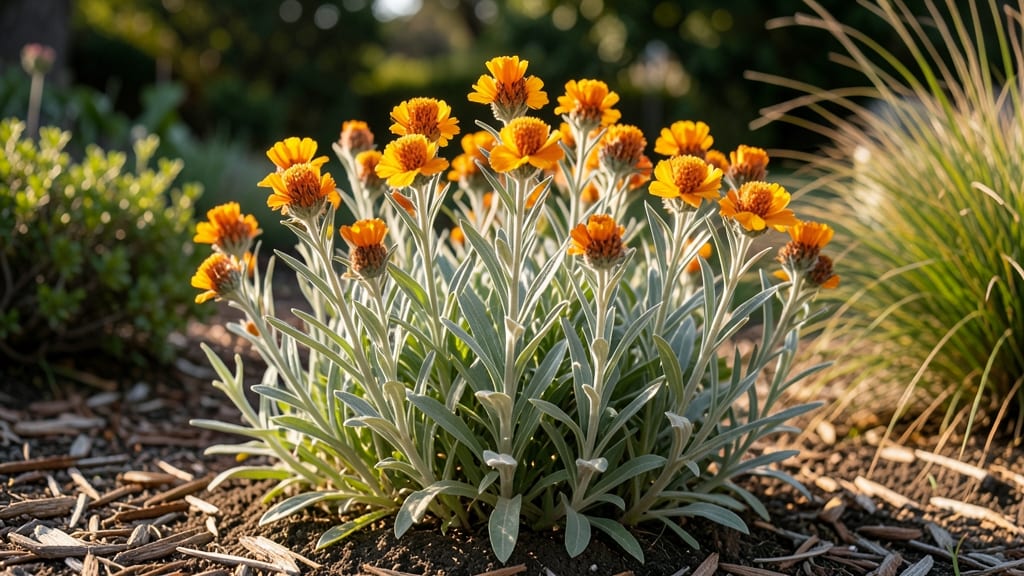
If you're dreaming of a cottage garden bursting with cheerful blooms but limited on space, knowing how tall do wallflowers grow could be your game-changer. These vibrant 🌼 flowers come in sizes that perfectly fit everything from windowsill boxes to sprawling borders, making them incredibly versatile for any gardener.
The height of wallflowers can vary dramatically depending on the variety—some stay as short as 6 inches, ideal for edging paths or container gardens, while others can reach a towering 24 inches, perfect for adding vertical interest to beds.
This flexibility means you can mix and match varieties to create layers of color and texture without sacrificing space.
But here's the thing: proper spacing and care can influence how tall your wallflowers grow. Whether you're planting in USDA Zone 6a or container gardens, understanding their mature size helps prevent overcrowding and ensures each plant gets the nutrients it needs to thrive.
Ready to discover how to choose the perfect varieties for your garden?
In this guide, I’ll break down the exact heights of popular wallflower types, spacing tips to maximize blooms, and simple care tricks to keep them compact or encourage height—so you can design a garden that’s as functional as it is beautiful.


Wallflower height by variety: dwarf to giant sizes explained
Wallflowers (Erysimum spp.) come in a surprising range of heights, from tiny dwarf varieties perfect for window boxes to tall clumps that anchor borders. Their mature size depends on the cultivar, growing conditions, and whether you prune them regularly.
Knowing these differences helps you choose the right type for your garden design—whether you're filling a rockery, lining a pathway, or adding height to a mixed border.
Most gardeners assume wallflowers stay small, but some varieties can reach up to 4 feet tall when grown in ideal conditions. The key is selecting the right type for your space.
For example, dwarf wallflowers (like 'Bowles's White') stay under 12 inches, while standard types (such as 'Tangerine') can hit 24 inches or more. Below, I’ve broken down the most popular varieties by height so you can plan with confidence.
🌼 Height Comparison Tip: Always check seed packets or plant tags for specific cultivar heights—some hybrids grow taller than their parents!
| Variety | Mature Height | Best For | Notes |
|---|---|---|---|
| 'Bowles's White' | 6–12 inches | Containers, rockeries | Dwarf, fragrant, blooms early |
| 'Tangerine' | 12–18 inches | Borders, cottage gardens | Semi-dwarf, vibrant orange |
| 'Fire King' | 18–24 inches | Back of borders | Standard height, heat-tolerant |
| 'Moonlight' | 12–18 inches | Cut flowers, containers | Pure white, long stems |
| 'Purple Emperor' | 24–36 inches | Tall borders, cut gardens | Tallest variety, deep purple |
| 'Sunset' | 12–16 inches | Rock gardens, slopes | Drought-tolerant, mixed colors |
🌼 Pro Tip: Mix heights in containers for a cascading effect—place taller varieties in the back and dwarf types in front!
If you're designing a small-space garden, dwarf varieties like 'Bowles's White' or 'Sunset' are ideal—they stay under 12 inches and thrive in 6-inch pots. For larger borders, 'Fire King' or 'Purple Emperor' add drama with their 24-inch+ stature.
Just remember: wallflowers grow taller in full sun and may stay shorter in partial shade.
Another factor influencing height is soil fertility. Rich, well-draining soil encourages taller growth, while poor soil can stunt plants. If you notice your wallflowers growing leggy or spindly, they might need a light fertilizer (like a 5-10-10 blend) or better-draining soil.
Overcrowding also limits height—always follow spacing guidelines (we’ll cover that in the next section!).
For cut flower gardens, taller varieties like 'Moonlight' or 'Purple Emperor' provide long stems, while dwarf types work well in window boxes or as edging plants.
If you're unsure which to choose, start with a mix of heights—like pairing 'Bowles's White' (6–12") with 'Fire King' (18–24")—to create visual interest.
One common mistake is assuming all wallflowers stay short. Hybrid varieties (like those labeled 'Sunset Mix') can surprise you with unexpected heights, especially if they inherit traits from taller parents.
Always check the seed packet or nursery label for exact expectations, as even within the same cultivar, heights can vary by 2–4 inches depending on growing conditions.
Finally, don’t forget that pruning affects height. If you want compact growth, pinch back young plants to encourage bushiness. For taller stems, let them grow unpruned until they flower
Proper spacing for wallflowers: avoid crowding and maximize blooms
Spacing your wallflowers correctly is just as important as choosing the right variety. Too close, and they’ll compete for nutrients and sunlight, leading to leggy stems and sparse blooms.
Too far apart, and your garden will look sparse. The key is matching their mature height to their spacing needs—whether you’re planting in borders, containers, or rock gardens.
For dwarf varieties (6–12 inches tall), like 'Bowles White' or 'Ruby Globe', space plants 8–12 inches apart. This ensures they fill in without overcrowding, creating a lush, compact display perfect for windowsills or edging.
In containers, 3–4 plants per 12-inch pot works beautifully, allowing roots to spread without battling neighbors.
For standard and semi-dwarf types (12–24 inches tall), like 'Fire King' or 'Purple Emperor', aim for 12–18 inches of space. This gives them room to develop sturdy stems and abundant blooms while preventing fungal issues from poor airflow.
In borders, this spacing creates a natural, layered look when paired with shorter perennials.
🌼 Spacing Cheat Sheet
- Dwarf varieties (6–12"): 8–12" apart (containers: 3–4 plants per 12" pot)
- Semi-dwarf (12–18"): 12–15" apart (containers: 2 plants per 12" pot)
- Standard (18–24"): 18–24" apart (containers: 1 plant per 12" pot)
- Rock gardens: 6–10" apart for dwarf types, 12" for taller ones
- Borders: 12–18" in rows, 18" between rows
If you’re planting wallflowers in rock gardens, reduce spacing slightly to 6–10 inches for dwarf types. The rocky terrain drains faster, so roots won’t compete as fiercely. Just ensure each plant has a small pocket of well-draining soil to prevent root rot.
For containers, prioritize drainage—use pots with holes and a mix of potting soil and perlite to mimic rocky conditions.
One common mistake is overcrowding in borders, which leads to powdery mildew from poor airflow. If your garden is small, opt for taller varieties in the back and dwarf types in front.
For example, place 'Fire King' (24 inches) behind 'Ruby Globe' (12 inches) to create a cascading effect. This vertical layering also maximizes bloom visibility from all angles.
Finally, remember that wallflowers are perennials in mild climates (USDA Zones 6–9) but often grown as annuals elsewhere. If you’re in a colder zone, treat them as annuals and replant each spring.
This gives you flexibility to adjust spacing yearly based on your garden’s evolving design. With the right spacing, your wallflowers will reward you with bold, long-lasting blooms from early spring until frost.
🌿✂️🌼