
How To
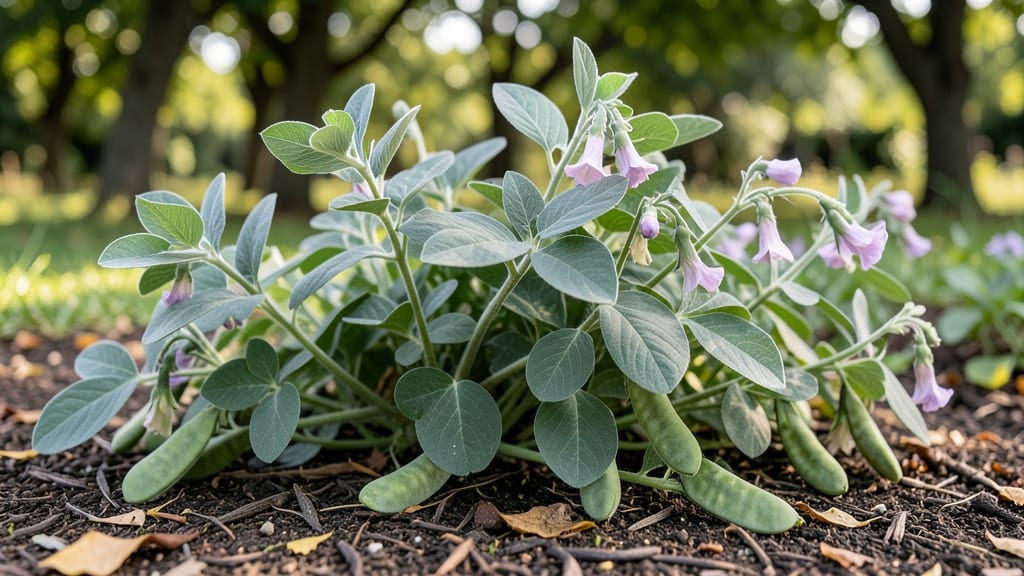
If you're wondering "how tall do fava beans grow", the answer depends entirely on the variety you plant—some stay compact while others climb like vines.
Bush types typically max out around 2-3 feet, making them perfect for small gardens, while pole varieties can stretch up to 12 feet if given proper support.
This height difference isn't just about aesthetics—it affects your garden layout and harvest strategy. Bush fava beans 🌱 thrive in tight spaces, while pole varieties need vertical room to shine.
Whether you're working with limited square footage or dreaming of a lush trellis, understanding these growth habits will help you plan your planting strategy like a pro.
But here's the catch: even within the same variety, factors like sunlight, soil quality, and pruning can tweak their final height. I'll break down exactly how to control growth—whether you want to keep them short or let them reach for the sky—so you can optimize your space and yield.
Ready to transform your garden? Let's dive into the key differences between pole and bush varieties, plus the spacing secrets that'll keep your fava beans happy and productive all season long.


Fava bean height by variety: pole vs bush growth comparison
When planning your fava bean garden, height differences between varieties can dramatically impact your layout and support needs. Bush varieties like 'Aquadulce Claudia' stay compact at 2-4 feet tall, making them perfect for small spaces or container gardening.
Meanwhile, pole varieties such as 'Long Pod' can climb 6-12 feet or higher when given proper trellising—ideal for vertical gardens or fences. Understanding these differences helps you choose the right type for your space and growing goals.
Climate also plays a role in fava bean height.
In cooler regions like USDA Zone 6a, bush varieties may grow slightly shorter due to slower growth rates, while warmer climates can encourage taller, more vigorous growth in pole types. Sunlight exposure is another critical factor—full sun (6-8 hours daily) maximizes height potential, while partial shade can stunt growth.
Always check your seed packet for variety-specific height ranges to avoid surprises.
For pole varieties, height isn't just about aesthetics—it's about yield. Taller plants produce more pods but require sturdy trellises or cages to support their weight.
Without support, vines may sprawl, leading to tangled plants and reduced harvests. Bush varieties, on the other hand, are self-supporting and thrive without additional structures, making them easier for beginners.
Fava Bean Variety Height Comparison
| Variety Type | Mature Height | Growth Habit | Trellis Needs | Best For |
|---|---|---|---|---|
| Bush Varieties | 2-4 ft | Compact, upright | None | Small gardens, containers |
| Pole Varieties | 6-12 ft+ | Vining, climbing | Essential (trellis/cage) | Vertical gardens, fences |
| Dwarf Varieties | 1-1.5 ft | Ultra-compact | None | Window boxes, patios |
If you're growing pole varieties, invest in a 6-foot trellis or tall cage to accommodate their full height. Use galvanized wire or sturdy bamboo stakes to prevent bending under the weight of heavy pods.
For bush types, focus on well-draining soil and consistent moisture to encourage bushy growth without excessive height. I’ve found that mulching around the base helps retain moisture and supports steady growth.
One common misconception is that all fava beans need tall supports. In reality, dwarf varieties like 'Early Blood Sugar' stay under 1.5 feet and are perfect for container gardening or windowsill growth.
These smaller types are ideal if you’re limited on space but still want a productive harvest. Always read seed packets for variety-specific details—some "bush" types may surprise you with unexpected vining habits.
For maximum height control, consider pruning techniques. If your pole varieties are growing too tall for your space, you can pinch back the tips to encourage bushier growth. This won’t drastically reduce height but can make the plant more manageable.
Just avoid heavy pruning once flowering begins, as this can reduce pod production. Harvesting regularly also encourages continuous growth and prevents overcrowding.
In my own garden, I’ve experimented with both bush and pole varieties side by side.
The bush types (Aquadulce Claudia) stayed neat and produced a steady harvest with minimal effort, while the pole varieties (Long Pod) required more attention but rewarded me with longer, more abundant pods. If you’re short on space, stick with bush or dwarf types.
For a dramatic vertical garden, pole varieties are a game-changer.
Remember, soil quality and nutrient availability also influence height. Amend your soil with compost or aged manure before planting to ensure your fava beans have the nutrients they need to reach their full potential.
Avoid over-fertilizing with nitrogen, as this can lead to leafy growth at the expense of pods. A balanced 5-10-10 fertilizer applied lightly at planting time works best for most varieties.
🌱
Optimal spacing for fava beans: preventing crowding by type
Proper spacing is key to maximizing your fava bean yield while preventing disease and competition. Bush varieties stay compact, while pole types need room to climb—getting this right ensures healthy plants and easy harvests. Let’s break down the exact distances for each type to fit your garden layout perfectly.
For bush fava beans, aim for 12-18 inches apart in rows spaced 2-3 feet apart. This gives roots enough room to spread without overcrowding, which can lead to powdery mildew or stunted growth.
If you’re short on space, you can squeeze them to 12 inches apart, but expect slightly smaller yields.
Pole varieties, like ‘Aquadulce Claudia’, need 18-24 inches between plants and 3-4 feet between rows to support their 6-12 foot vines. Without proper spacing, vines tangle, reducing airflow and increasing disease risk. Pair this with a sturdy trellis or fence to guide their upward growth efficiently.
| Variety Type | Plant Spacing | Row Spacing | Trellis Needs |
|---|---|---|---|
| Bush Varieties | 12-18 inches apart | 2-3 feet apart | None (compact growth) |
| Pole Varieties | 18-24 inches apart | 3-4 feet apart | Yes (6-12 ft tall) |
If you’re growing fava beans in containers, choose dwarf varieties like ‘Early Blood Sugar’ and space them 12 inches apart in pots at least 12 inches deep. This works well for balconies or small spaces, but avoid overcrowding—even container plants need airflow to thrive.
Watch for signs of overcrowding, like yellowing leaves or pods failing to develop. If you notice these, thin your plants immediately by removing the smallest or weakest stems. Proper spacing isn’t just about aesthetics—it directly impacts your harvest’s size and quality.
For succession planting, leave extra space between rows to make harvesting easier. This also helps prevent soil depletion, as fava beans are nitrogen-fixing and improve soil health over time. Plan your layout with future harvests in mind for a productive garden all season long.