
How To
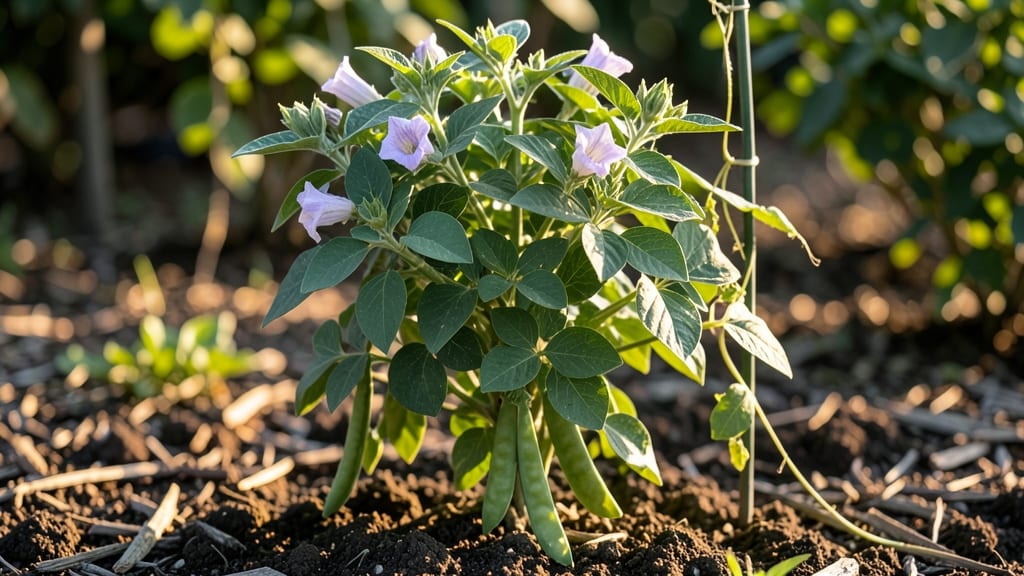
If you're planning to grow pinto beans this spring, you might be wondering how tall do pinto beans grow. The answer depends entirely on the variety you choose—because pinto beans 🌱 come in two dramatically different forms, each with its own growth quirks and spacing rules.
Bush varieties stay compact, typically reaching just 2 to 4 feet tall, making them perfect for small gardens or containers. But if you opt for pole beans, get ready for a 6 to 10-foot climbing adventure that can transform your garden layout overnight.
The right support structure isn't just helpful—it's essential for maximizing both yield and space efficiency.
Understanding these height differences is the key to avoiding overcrowding and ensuring your plants thrive from planting in April-May through harvest in July-September.
Whether you're working with limited space or dreaming of a lush vertical garden, knowing how tall your pinto beans will grow helps you plan everything from trellises to companion plants.
Let's break down the exact spacing rules, support needs, and pro tips to help your pinto beans reach their full potential—without taking over your garden or your weekends. Ready to get growing?


Pinto bean height comparison: pole vs bush varieties explained
When planning your pinto bean garden, the first question is almost always: how tall do pinto beans grow? The answer depends entirely on the variety you choose. Pinto beans come in two distinct growth forms—bush beans and pole beans—each with dramatically different height ranges and garden requirements.
Bush varieties stay compact, typically reaching heights of 2 to 4 feet, making them ideal for small gardens or container growing. Pole varieties, on the other hand, can climb 6 to 10 feet or taller, requiring sturdy trellises or fence support.
This height difference isn't just about aesthetics—it directly impacts your garden layout, spacing, and even harvest efficiency.
Here’s the key difference: Bush beans produce all their pods at once, while pole beans continue flowering and producing throughout the season. Understanding these growth habits helps you decide which variety fits your space and goals.
Pinto Bean Variety Height Comparison
| Variety Type | Mature Height | Growth Habit | Support Needed | Harvest Window |
|---|---|---|---|---|
| Bush Varieties | 2–4 feet | Compact, upright | None (self-supporting) | 4–6 weeks (single harvest) |
| Pole Varieties | 6–10+ feet | Vining, climbing | Trellis, fence, or stakes | 8–12 weeks (extended harvest) |
Popular bush varieties: 'Oregon Sugar Pod', 'Bountiful'; Pole varieties: 'Santa Fe', 'Golden Gate Wax' 🌱
If you're working with limited space, bush pinto beans are the clear winner, maturing quickly and producing pods within 50–60 days. Their 2–4 foot height makes them perfect for raised beds or small backyard plots. Plus, they don’t require additional support structures, saving you time and materials.
For those with vertical space to spare, pole pinto beans offer a game-changing advantage: continuous harvests. These vining plants can reach 8–10 feet or more, producing pods over an extended period. The trade-off? You’ll need to invest in trellises, cages, or fences to guide their growth and prevent sprawl.
Pro tip: If you’re unsure which to choose, consider your garden’s layout. Pole beans work beautifully along fences or pergolas, while bush beans thrive in tight rows or containers.
Both varieties share similar care needs—full sun, well-draining soil, and consistent moisture—so the decision ultimately comes down to space and harvest preferences.
One common mistake gardeners make is underestimating the height of pole beans. Without proper support, these vines can flop over, leading to tangled plants, poor air circulation, and even disease. Always install trellises before planting to avoid damaging roots later.
For maximum yield, aim for 6–8 feet of vertical space when planting pole varieties. This gives the vines room to climb while keeping pods accessible for harvesting. Bush varieties, meanwhile, benefit from 12–18 inches of space between plants to prevent overcrowding and improve airflow.
Ready to plan your pinto bean garden? Start by measuring your space and choosing varieties that fit your layout. Whether you go for compact bush beans or towering pole varieties, understanding their height differences is the first step to a bountiful harvest. 🌿
Pinto bean height comparison: pole vs bush varieties explained
When planning your pinto bean garden, understanding the height differences between varieties is key. Pole beans can reach 6 to 10 feet tall, while bush varieties stay compact at 2 to 4 feet. This dramatic difference affects everything from garden layout to support structures you’ll need.
Pole beans grow vertically on trellises or stakes, making them perfect for small spaces or vertical gardens. Bush beans, on the other hand, spread outward in a bushy habit, ideal for traditional row planting. Choosing the right type depends on your space constraints and harvest goals.
| Variety | Height Range | Growth Habit | Support Needed |
|---|---|---|---|
| Pole Beans | 6–10 feet | Vining, climbs upward | Trellis or stakes required |
| Bush Beans | 2–4 feet | Compact, bushy | No support needed |
Pole beans need strong support like trellises or cattle panels to reach their full height. Without support, they’ll sprawl, reducing airflow and increasing disease risk. Bush beans, however, thrive without any extra structures, making them easier for beginners.
For maximum yield, pole beans produce more pods over a longer season, while bush beans mature all at once. If you’re short on space, pole beans are a smart choice—they save room while boosting production. Just ensure your trellis can handle their weight as they grow.
Both varieties need well-draining soil and full sun, but pole beans benefit from consistent moisture to support their rapid vertical growth. Bush beans are slightly more drought-tolerant once established, making them a bit more forgiving for busy gardeners.
Remember, dwarf varieties exist for both types, offering even more flexibility. For example, some bush pinto beans stay under 2 feet tall, perfect for container gardening. Always check seed packets for specific height details before planting.