
Flowers
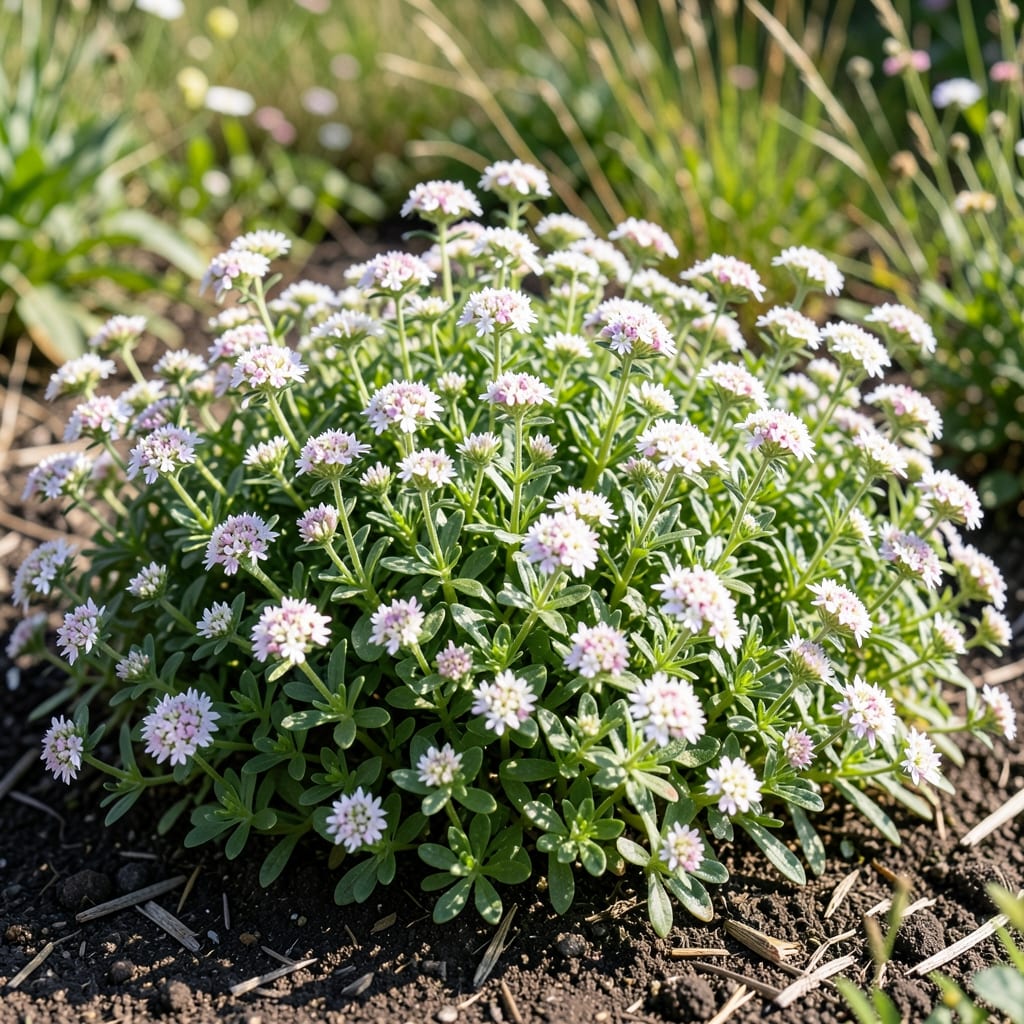
If you're dreaming of a fragrant, low-maintenance border that bursts with 🌸 Alyssum blooms, knowing how tall do Alyssum grow is the first step to planning like a pro. These tiny powerhouses typically stay between 4 to 12 inches tall, making them perfect for edging, containers, or filling gaps in your garden design.
But here's the thing: not all Alyssum varieties play by the same rules. Some stay compact at just 4 to 6 inches, while others can stretch toward 12 inches when given ideal conditions. The key to getting the most out of your planting lies in understanding these differences and how sunlight, soil, and spacing work together to shape their growth.
Whether you're a beginner or a seasoned gardener, getting the spacing right can mean the difference between a lush, continuous display and a patchy, leggy mess. I'll walk you through the exact spacing you need, plus how to encourage bushier growth so your Alyssum stays vibrant all season long.
Ready to create borders that look like they came straight from a nursery? Let's dive into the secrets of cultivating Alyssum at its best—without the guesswork.


Alyssum height variations: dwarf vs. standard varieties explained
Alyssum's height range is one of its biggest charms, offering versatility for gardeners with different design goals. Most varieties stay between 4 to 12 inches tall, but the differences between dwarf and standard types can dramatically impact your planting strategy. Understanding these variations helps you create borders that look full and intentional rather than accidental.
For example, Sweet Alyssum (Lobularia maritima) is the most common type, typically reaching 6 to 10 inches in height. This makes it ideal for edging pathways or filling gaps in rock gardens. Meanwhile, cushion varieties like 'Tiny Tuffet' or 'Snowdrift' often max out at just 4 to 6 inches, perfect for container gardens or as a low-growing ground cover.
Here's where things get interesting: some taller varieties like 'Easter Bonnet' or 'Pink Pearl' can stretch up to 12 inches when given ideal growing conditions. These are better suited for the back of borders or as a trailing plant in hanging baskets, where their extra height adds dimension.
The key to choosing the right variety lies in matching its mature height to your garden's layout. For instance, if you're creating a multi-layered border, you might pair 4-inch dwarf varieties at the front with 10-inch standard types in the middle and taller plants at the back. This creates a cascading effect that draws the eye deeper into your garden.
Light conditions also play a role in height. Alyssum grown in full sun tends to stay more compact and bushy, while those in partial shade may stretch slightly taller as they reach for light. This is why it's crucial to consider both the variety and its environment when planning your layout.
Now, let's break down the most popular varieties and their typical heights so you can make an informed choice for your garden.
When planning your garden, think about how these height variations can create visual interest. For example, pairing Tiny Tuffet (4–6 inches) with Easter Bonnet (8–12 inches) in the same container adds texture and depth. Similarly, in a border, you might use Snowdrift at the front and Pink Pearl in the middle to create a layered look that feels intentional and well-balanced.
One common mistake gardeners make is assuming all Alyssum grows the same height. This can lead to overcrowding or sparse displays if you don't account for the differences. For instance, planting standard varieties too closely together will result in leggy, sparse growth, while dwarf varieties planted too far apart may leave gaps in your design. The solution? Adjust your spacing based on the mature height of each variety.
For example, if you're planting Sweet Alyssum (6–10 inches) in a border, space them 8–12 inches apart to give them room to spread. In contrast, Tiny Tuffet (4–6 inches) can be planted just 6–8 inches apart for a denser look. These small adjustments make a big difference in the final appearance of your garden.
Remember, Alyssum is a self-seeding annual in most climates, meaning it will often return year after year if left to its own devices. This makes it a great choice for low-maintenance gardens, but it also means you'll need to control
Alyssum height variations: dwarf vs. standard varieties explained
Alyssum's compact stature is one of its biggest charms, but not all varieties play by the same rules. The most common type, Sweet Alyssum (Lobularia maritima), typically reaches 4 to 6 inches tall—ideal for edging or container gardens. This dwarf variety stays low to the ground, creating a lush carpet of tiny white, pink, or purple blooms that spill beautifully over container edges.
For taller borders, look for cushion varieties like 'Big Smile' or 'Queen of Sheba,' which can grow 8 to 12 inches tall when given optimal conditions. These varieties add vertical interest while still maintaining their delicate, fragrant appearance. The key difference? Sunlight exposure and soil fertility directly impact how tall your alyssum will grow—more sun and nutrients mean taller plants.
Here's where things get interesting: Annual vs. perennial growth habits also affect height. Annual alyssum (most common) grows aggressively in its first season, reaching mature height by mid-summer. Perennial varieties, like those in USDA zones 7-10, may stay slightly shorter but produce longer blooming seasons year after year.
| Variety | Mature Height | Best For | Sun Needs |
|---|---|---|---|
| Sweet Alyssum (Dwarf) | 4–6 inches | Containers, edging, rock gardens | Full sun to partial shade |
| Cushion Varieties (e.g., 'Big Smile') | 8–12 inches | Border fronts, mass plantings | Full sun (6+ hours) |
| Tall Varieties (e.g., 'Queen of Sheba') | 10–12 inches | Back of borders, cut flowers | Full sun (best blooms) |
| Perennial Alyssum (Zones 7-10) | 6–8 inches | Year-round ground cover | Partial shade (cooler climates) |
When planning your garden, consider how height variations will layer your design. For example, pairing 4-inch dwarf varieties with 12-inch tall alyssum creates a stunning cascading effect in containers. The secret? Plant taller varieties at the back of containers and shorter ones at the front to maximize visual impact without overcrowding.
One common mistake is assuming all alyssum stays short—this leads to overcrowded plantings that compete for nutrients and light. Instead, use the spacing guidelines we'll cover next to ensure each plant has room to thrive at its natural height. Proper spacing also prevents leggy growth, which happens when plants stretch for sunlight.
Pro tip: If you're growing alyssum in cooler climates, expect slightly shorter plants. Alyssum is a cool-season lover, so it may stay compact until summer heat arrives. In hotter zones, it often grows taller but may bolt (go to seed) faster—which is why deadheading becomes crucial for extended blooms.