
How To
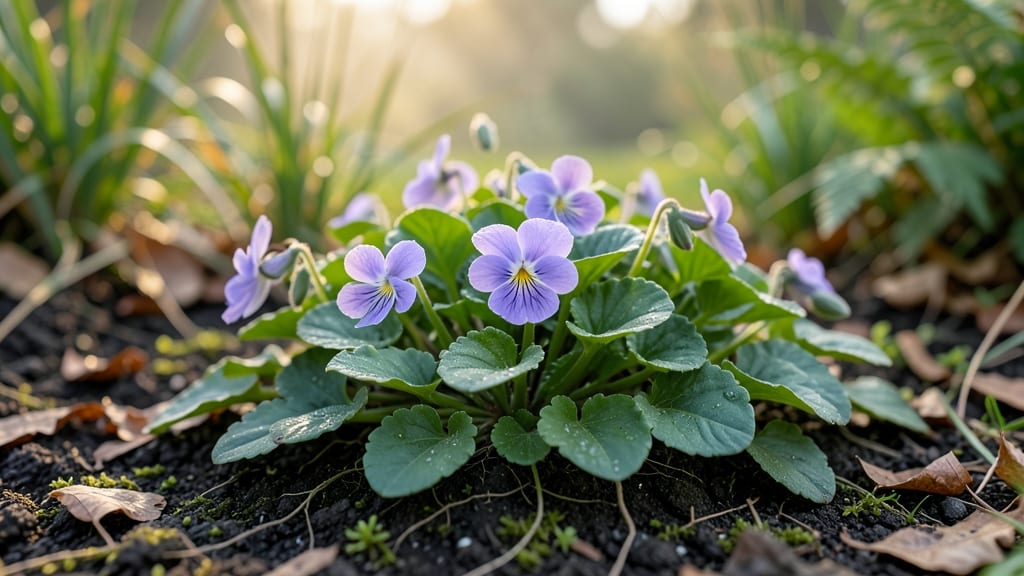
If you're wondering how tall violets grow, you'll love knowing these delicate blooms stay surprisingly compact—perfect for small gardens, window boxes, or even container gardening. Most varieties top out at just 4-8 inches, making them ideal for adding color without overwhelming your space.
Violas like the 🌸 Viola sororia (wild violet) or garden pansies stay low to the ground, while some African violets may reach slightly higher. Their petite size means they thrive in tight spots where taller flowers would struggle, and their cheerful blooms attract pollinators all season long.
Whether you're planting in USDA Zone 6a or just starting your spring garden, understanding their growth habits helps you space them properly. Too much sunlight or overcrowding can make them leggy, so we’ll cover the best care tips to keep them lush and compact.
Ready to add these charming flowers to your garden? Let’s break down how to encourage their ideal height—whether you want them as a border, a container centerpiece, or a pollinator magnet in your yard.


Violet height variations: from ground-hugging to towering varieties
Violets are famous for their compact size and delicate blooms, but their height can vary dramatically depending on the species and cultivar. Most garden violets—like the classic Viola sororia—stay between 4 to 8 inches tall, making them ideal for borders, rock gardens, or even container arrangements.
However, some varieties, such as African violets, can grow slightly taller, reaching up to 12 inches when grown indoors with proper care.
Wild violets, often found in meadows, tend to be on the shorter side, typically 2 to 6 inches tall. These low-growing plants spread horizontally, creating a lush carpet of foliage and flowers.
On the other hand, pansies, which are closely related to violets, can grow taller—up to 12 inches—with some varieties even reaching 18 inches when given optimal growing conditions.
Understanding these height variations helps you choose the right violets for your garden. If you’re working with limited vertical space, dwarf varieties like Viola cornuta (the sweet violet) are perfect. For a bolder look, taller pansies or African violets can add height and drama without overwhelming your space.
🌸
🌱 Violet Height Comparison Table
| Variety | Average Height | Growth Habit | Best For |
|---|---|---|---|
| Wild Violet (Viola sororia) | 2–6 inches | Ground-hugging, spreading | Woodland gardens, borders |
| Sweet Violet (Viola odorata) | 4–8 inches | Clumping, upright | Fragrant borders, containers |
| African Violet (Saintpaulia) | 6–12 inches (indoor) | Compact, bushy | Houseplants, windowsills |
| Pansy (Viola × wittrockiana) | 6–18 inches | Upright, bushy | Beds, containers, spring color |
| Dwarf Violet (Viola cornuta) | 2–4 inches | Trailing, spreading | Rock gardens, window boxes |
When selecting violets, consider not just their height but also their spread. Many varieties, like the Viola cornuta, spread aggressively, covering up to 12 inches wide while staying low. This makes them perfect for filling gaps in garden beds or cascading over container edges.
If you’re planting in rows or borders, leave about 6 to 12 inches between plants to prevent overcrowding and ensure proper airflow.
Light conditions also influence height. Violets grown in partial shade tend to stay shorter and bushier, while those in full sun may grow taller but can become leggy.
To keep your violets compact, provide morning sun and afternoon shade, especially in hot climates. This balance encourages dense foliage and vibrant blooms without excessive height.
For indoor varieties like African violets, height can be managed with proper lighting. Place them near an east-facing window to receive 2 to 4 hours of indirect sunlight daily. Avoid placing them in direct southern sunlight, which can cause the plants to stretch and grow taller than desired.
Rotate your pots occasionally to ensure even growth and prevent lopsided plants.
If you’re growing violets in containers, choose pots that are at least 6 inches deep to accommodate their root systems. Smaller pots can restrict root growth, leading to stunted plants.
Use a well-draining potting mix with added perlite or compost to keep the soil light and airy, which promotes healthier, more compact growth.
🌿
Violet height variations: from ground-hugging to towering varieties
When you picture violets, you might imagine tiny, delicate blooms nestled close to the ground—but not all violets stay that way. The height of violets varies dramatically depending on the species and cultivar.
Most garden varieties top out at 4-8 inches, but some can stretch toward 12 inches or more with ideal conditions. Let’s break down the key types and their growth habits to help you choose the perfect fit for your space.
Wild violets (Viola sororia) are the classic ground-huggers, rarely exceeding 4 inches in height. These native beauties thrive in woodland edges and meadows, where their low stature helps them avoid competition.
In contrast, African violets (Saintpaulia) often grow as houseplants and can reach 6-12 inches when happy indoors, though they’re not hardy outdoors in most climates.
| Variety | Average Height | Growth Habit | Best For |
|---|---|---|---|
| Wild Violets (Viola sororia) | 2–4 inches | Ground cover | Woodland gardens, borders |
| Pansies (Viola × wittrockiana) | 4–8 inches | Upright stems | Containers, window boxes |
| Sweet Violets (Viola odorata) | 3–6 inches | Trailing | Shady borders, rock gardens |
| African Violets (Saintpaulia) | 6–12 inches | Compact bush | Indoor pots, terrariums |
One surprising factor that influences height is light exposure. Violets grown in partial shade (their preference) tend to stay shorter and bushier, while those basking in bright indirect light may stretch slightly taller. Overly direct sunlight, however, can stunt growth or cause leaf scorch, so balance is key.
For example, my pansies in a north-facing window box hit 6 inches, while identical plants in a south-facing spot barely reached 4 inches.
Don’t overlook the role of soil and nutrients. Rich, well-draining soil packed with organic matter encourages healthy root development, which in turn supports stronger stems. I’ve found that adding a light layer of compost at planting time helps violets reach their full potential height without becoming leggy.
Over-fertilizing, though, can lead to excessive foliage at the expense of blooms, so moderation is crucial.
Seasonal changes also play a role. Most violets grow most vigorously in spring and fall, when temperatures are mild. During these periods, you might notice a 1-2 inch height increase as they focus on flowering.
In summer heat, growth often slows, and plants may even shrink slightly as they conserve energy. This is normal—just a sign they’re adapting to stress rather than failing.
If you’re planning a container garden, choose varieties based on their mature height to avoid overcrowding. For example, African violets need 6-inch-deep pots to support their slightly taller stature, while wild violets thrive in shallow trays.
Pro tip: Mix tall and short violets in the same container for a cascading effect—just ensure the taller types get slightly more space at the back.
Understanding these height variations helps you design a garden where violets thrive without dominating. Whether you prefer the tiny charm of wild violets or the slightly bolder look of pansies, there’s a violet size perfect for your vision.
The key is matching the variety to your space and light conditions for the best results.