
Plants
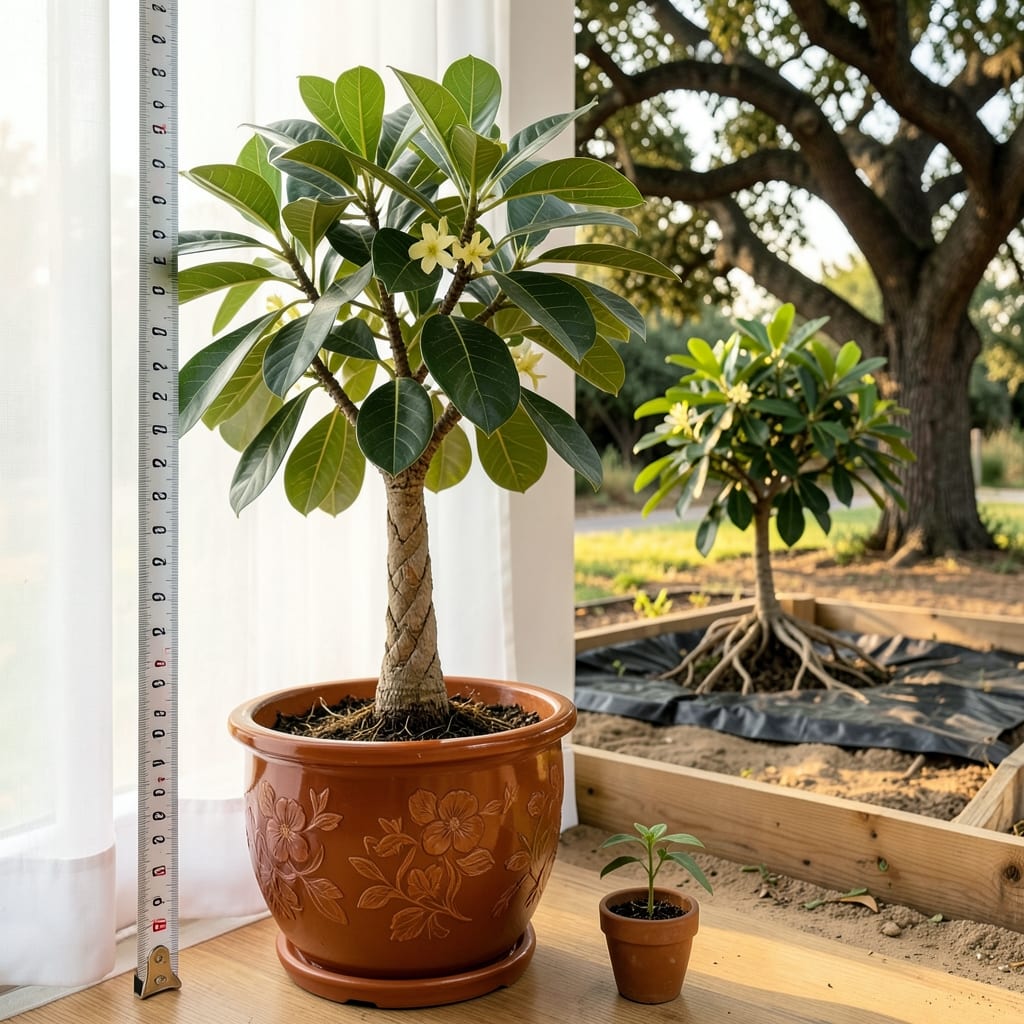
If you’ve ever wondered just how tall your money tree 🌿 could grow under the right conditions, the answer might surprise you. This tropical beauty can stretch from a modest 3-foot shrub to a towering 10-foot statement piece—all while bringing good fortune to your space. The key lies in understanding its variety, your care routine, and whether you’re nurturing a compact houseplant or a jungle giant.
Most home gardeners start with the classic Pachira aquatica, which typically reaches 6-10 feet indoors with proper attention. But did you know some braided varieties grow slower, staying between 3-6 feet for years? The difference comes down to pruning, light exposure, and even the size of your pot. With the right approach, you can shape your money tree to fit your space—whether that’s a cozy corner or a sunlit living room.
What’s the secret to encouraging that extra growth? It’s not just about watering or sunlight—though those matter. The real game-changer is understanding your plant’s growth timeline. In its first year, expect 1-2 feet of height, but by year three, it could double that if given the ideal conditions. We’ll break down how to accelerate growth (or keep it compact) without sacrificing health.
Ready to unlock your money tree’s full potential? Whether you’re aiming for a dwarf variety or a sky-high centerpiece, these care tips will help you guide its growth—without the guesswork. Let’s dive into what makes this plant thrive (and how to avoid common pitfalls along the way).

Money tree height by variety: from dwarf to towering giants
The height of your money tree 🌱 depends entirely on its variety and growing conditions. The most common type, Pachira aquatica, typically reaches 6-10 feet indoors with proper care. However, some varieties—like the braided money tree—grow more slowly, often staying between 3-6 feet for years. Understanding these differences helps you choose the perfect plant for your space and goals.
For those with limited vertical space, dwarf varieties like the Pachira ‘Money Tree Mini’ max out around 3-4 feet. These compact options are ideal for apartments or small offices. Meanwhile, the standard money tree can easily surpass 10 feet if given ample light, space, and nutrients. The key difference? Genetics and care routines.
Outdoor money trees, when grown in tropical climates (USDA zones 10-12), can reach 15-20 feet or more. Their rapid growth is fueled by year-round warmth and humidity. But indoors, even with ideal conditions, most varieties top out at 10 feet. The braided variety, prized for its aesthetic trunks, often grows slower due to its energy being diverted to trunk development.
Here’s how different money tree varieties compare in terms of height potential and care needs:
| Variety | Mature Height (Indoors) | Growth Rate | Care Tip |
|---|---|---|---|
| Standard Pachira aquatica | 6–10 feet | Moderate (1–2 ft/year) | Needs bright indirect light |
| Braided Money Tree | 3–6 feet | Slow (trunk development) | Prune to encourage branching |
| Dwarf Varieties (e.g., 'Mini') | 3–4 feet | Slow to moderate | Use small pots to limit size |
| Outdoor Money Tree (Tropical) | 15–20+ feet | Fast (outdoor conditions) | Frost-sensitive; indoor only in cold climates |
If you’re aiming for a taller money tree, focus on the standard variety and provide bright indirect light (like an east-facing window). For a shorter, bushier look, opt for the braided type or prune regularly. The dwarf varieties are perfect for small spaces but still require consistent care to thrive. Remember, even the fastest-growing money trees take 3-5 years to reach their full height potential.
One common misconception is that money trees grow vertically faster than they do horizontally. In reality, their growth is balanced—unless you prune to encourage bushiness. The braided variety, for example, may appear stunted in height because its energy goes into developing those iconic trunks. With the right care, though, even a braided money tree can reach 6 feet in ideal conditions.
Pro tip: If you’re growing your money tree outdoors in a warm climate, it may double in height compared to indoor plants. The extra sunlight and humidity accelerate growth, but be prepared for faster maintenance needs. Indoors, most varieties grow at a steady 1-2 feet per year, making them a long-term investment for your space.
Whether you’re after a compact centerpiece or a room-filling giant, choosing the right variety is the first step. Next, we’ll explore how to control height through pruning and care—so you can shape your money tree to fit your vision perfectly. ✂️
How to control money tree height: pruning, training, and care secrets
Controlling your money tree’s height isn’t just about trimming—it’s about understanding its natural growth patterns and giving it the right conditions to thrive. With the right techniques, you can keep a 10-foot giant compact at 3 feet or encourage rapid growth for a statement piece. The key? Pruning, pot size, and light exposure—all working together to shape your plant’s future.
Most gardeners make one critical mistake: they prune too late or too aggressively. Your money tree grows best when you prune in early spring, just as new growth begins. This encourages bushier, fuller development while keeping height in check. If you wait until summer or fall, you’ll end up with leggy stems that stretch toward the light, making future height control much harder.
Another game-changer is your pot size. Money trees in cramped containers grow slower and stay shorter, while those in large pots can shoot up quickly. If you want a dwarf variety to stay under 3 feet, keep it in a 10-inch pot or smaller. For faster growth toward 6-10 feet, upgrade to a 14-inch or larger container—just ensure it has drainage holes to prevent root rot.
Light exposure plays a surprising role in height control. Money trees grown in low light tend to stretch toward any available sunlight, becoming tall and spindly. To keep them compact, place them within 3 feet of an east-facing window for bright, indirect light. If you notice leaves turning pale or stems elongating, it’s time to move them closer to a light source—or supplement with a grow light for 6-8 hours daily.
For the braided varieties, training is essential. These plants develop their signature twisted trunks through manual weaving of young stems. Start this process when your plant is 1-2 feet tall, gently tying the stems together with soft plant ties. Reweave every 2-3 months as the stems thicken. This not only shapes their iconic look but also encourages a stockier, shorter growth habit compared to untrained plants.
Finally, don’t underestimate the power of fertilizer. Money trees respond well to a balanced 10-10-10** fertilizer applied every 4-6 weeks during spring and summer. This boosts leafy growth, which naturally slows vertical stretching. In fall and winter, reduce feeding to let the plant rest—this prevents sudden growth spurts that can make height management difficult.