
Trees
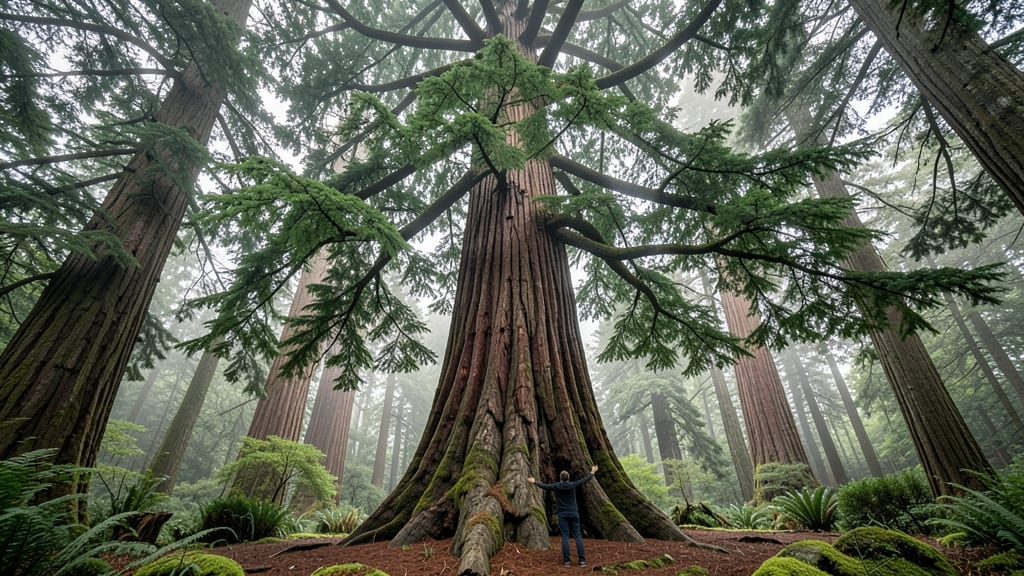
If you’ve ever wondered how tall do sequoia trees grow, you’re about to discover nature’s most jaw-dropping architectural marvels. These towering giants like 🌲 coast redwoods and giant sequoias don’t just stretch toward the sky—they rewrite what’s possible, reaching heights that dwarf even the tallest buildings.
The answer isn’t just about their impressive 379-foot records (yes, that’s taller than a 30-story skyscraper). It’s about their slow, steady growth—how they transform from fragile seedlings into ancient, fire-resistant titans over centuries.
For gardeners dreaming of planting one, understanding their growth stages and needs is the key to nurturing these living monuments.
From the misty forests of California to your backyard, we’ll break down what makes sequoias grow so tall—climate, soil, and even human influence. Spoiler: They’re not just big trees; they’re survivors with secrets to share. Let’s dig into the science (and the soil) behind their legendary heights.
Whether you’re a landscaper planning a long-term project or a curious homeowner, you’ll learn how to give these giants the space—and care—they deserve. Ready to grow something truly extraordinary?


Sequoia tree height records: tallest known species and their stunning measurements
When you gaze up at a sequoia tree, it’s easy to feel like you’re staring at the sky itself. These ancient giants hold the title for some of the tallest trees on Earth, with heights that defy imagination.
The two main species—coast redwoods and giant sequoias—both push the limits of vertical growth, but in different ways. Coast redwoods (Sequoia sempervirens) stretch skyward like skyscrapers, while giant sequoias (Sequoiadendron giganteum) grow wider and bulkier.
Let’s dive into the height records that make these trees legendary.
The tallest known coast redwood is Hyperion, standing at a staggering 379.7 feet—that’s taller than a 30-story building! This record-breaking tree was discovered in 2006 and remains hidden in California’s Redwood National and State Parks to protect it from visitors.
Meanwhile, the tallest giant sequoia is the General Sherman Tree, which isn’t the tallest but is the most massive by volume, weighing in at over 2.7 million pounds. Its height? A still-impressive 275 feet.
But how do these trees grow so tall? The secret lies in their genetic adaptations and root systems. Coast redwoods have shallow, widespread roots that absorb massive amounts of water from foggy coastal air, fueling their rapid vertical growth.
Giant sequoias, on the other hand, develop deep, extensive root networks to tap into groundwater in their drier mountain habitats. Both species also produce thick, fire-resistant bark that protects them from wildfires, allowing them to thrive for millennia.
🌲 Sequoia Height Comparison
| Species | Average Height | Tallest Recorded Height | Key Feature |
|---|---|---|---|
| Coast Redwood | 200-300 ft | 379.7 ft (Hyperion) | Tallest trees on Earth |
| Giant Sequoia | 150-200 ft | 275 ft (General Sherman) | Most massive by volume |
| Statue of Liberty | 305 ft (pedestal included) | N/A | Hyperion is 74 ft taller |
To put these heights into perspective, imagine stacking 10 Statue of Liberty statues on top of each other—the tallest coast redwood would still tower above them. These trees don’t just grow tall; they grow ancient.
Some coast redwoods are over 2,000 years old, while giant sequoias can live for 3,000+ years. Their slow, steady growth—about 1-2 feet per year—means they’ve witnessed centuries of history while standing guard over their forests.
The tallest sequoias thrive in specific conditions. Coast redwoods prefer the foggy, mild climates of Northern California, where they receive abundant moisture from coastal fog. Giant sequoias, however, grow in the drier, mountainous regions of the Sierra Nevada, where they rely on deep groundwater.
Both species need well-draining, nutrient-rich soil and full sun exposure to reach their full potential. Without these ideal conditions, their growth slows dramatically.
One of the most fascinating aspects of sequoias is their resilience. They’ve survived ice ages, wildfires, and logging for thousands of years. Their ability to regenerate from fire and sprout new shoots from their base ensures their survival.
Even today, conservation efforts are crucial to protecting these giants from climate change, deforestation, and invasive species. Many of the tallest sequoias are now in protected areas, but their future depends on ongoing ecological stewardship.
If you’ve ever dreamed of planting a sequoia in your backyard, it’s important to understand the realistic height expectations. While these trees can grow taller than a skyscraper in the wild, most home gardens simply don’t have the space.
Even a small sequoia seedling can grow 5-10 feet in its first decade, and mature trees need at least 50 feet of clearance to reach their full height. That’s why these trees are best left to national parks and forests, where they can thrive without human interference.
Next time you see a sequoia, take a moment to appreciate the centuries of growth that went into creating its towering presence. These trees aren’t just tall—they’re living monuments to nature’s endurance and grandeur.
Whether you’re admiring them in person or dreaming of growing your own, their story is one of patience, resilience, and sheer majesty.
How fast do sequoias grow to their massive heights? Growth stages and timeline
Sequoias don’t grow overnight—they’re patient giants that take centuries to reach their full height. In their first decade, these trees grow just 1-2 feet per year, but their speed picks up dramatically during their prime.
By age 50, a coast redwood can tower 100 feet tall, and by 200 years, it may stretch 200+ feet into the sky.
The key to their rapid vertical growth lies in their optimal conditions. Coastal redwoods thrive in foggy, moist climates with rich, acidic soil, while giant sequoias prefer drier, mountainous regions with well-drained soil. Both species rely on deep root systems to access water and nutrients, fueling their towering growth.
🌱
| Age Range | Average Height | Growth Rate | Key Growth Factors |
|---|---|---|---|
| 0-10 years | 1-10 ft | Slow (1-2 ft/year) | Establishing roots; sensitive to frost |
| 10-50 years | 10-50 ft | Moderate (2-4 ft/year) | Full sun exposure; consistent moisture |
| 50-200 years | 50-200 ft | Rapid (3-6 ft/year) | Peak growth phase; ideal climate |
| 200+ years | 200-379 ft | Slow (1-2 ft/year) | Mature phase; limited by space/age |
Human activities like fire suppression and logging bans have dramatically altered sequoia growth patterns. Without natural fires to clear underbrush, these trees face increased competition for resources, slowing their growth. Meanwhile, climate change threatens their moisture-dependent habitats, particularly in drier regions where giant sequoias grow.
For gardeners dreaming of growing sequoias, remember: patience is key. Even in ideal conditions, it takes decades to see significant height gains. Focus on providing well-drained soil, full sun, and consistent moisture during their early years to set them up for future growth.
🌳
Once established, sequoias become remarkably resilient. Their thick, fire-resistant bark and deep roots allow them to thrive in adverse conditions that would kill most trees. This adaptability is why they’ve survived for millennia, standing as living monuments to nature’s endurance.