
How To
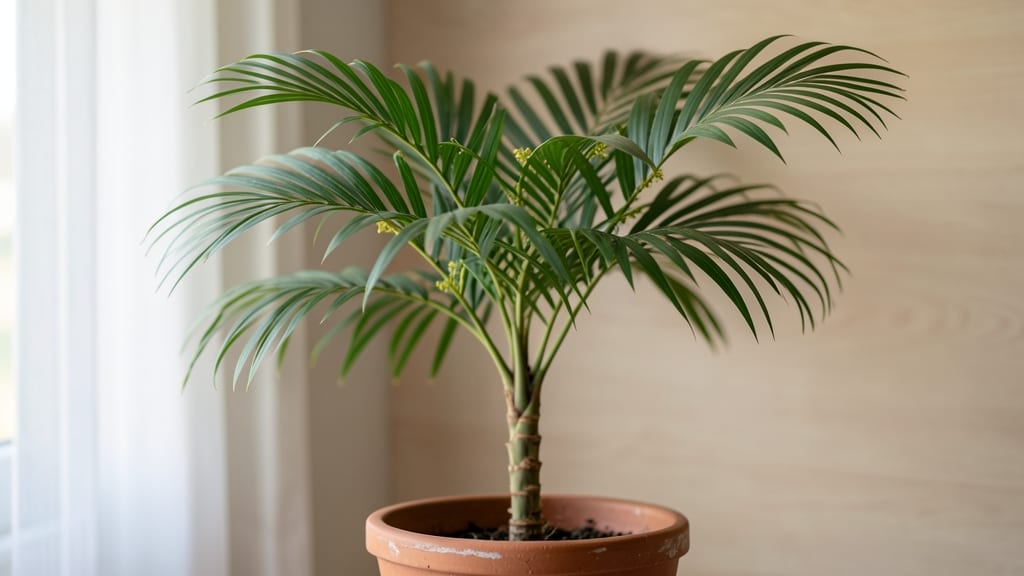
If you're dreaming of a lush, tropical vibe but don’t have the space for towering palms, the Pygmy Palm 🌴 could be your perfect match—just don’t expect it to grow tall in the first place!
These compact beauties typically stay between 2 to 3 feet tall, making them ideal for apartments, offices, or small gardens.
But here's the twist: their final height depends on more than just genetics. Whether you're growing them in a cozy pot or tucked into your backyard, the right care can keep them from outgrowing their welcome.
From container size to light exposure, small tweaks make a big difference in controlling their growth.
Let’s break down exactly what to expect from your Pygmy Palm over time—and how to keep it at your ideal height. Whether you're a first-time plant parent or a seasoned gardener, these insights will help you nurture a palm that stays perfectly proportioned.
Ready to master the art of compact palm care? You’ll discover the secrets to maintaining that charming, manageable size—without sacrificing health or beauty. Let’s get growing!


Pygmy palm growth chart: height expectations by variety and age
Pygmy palms—specifically the Chamaedorea genus—are famous for their compact size, but their mature height varies dramatically by species and growing conditions. Most stay between 1 and 3 feet, but with the right care (or neglect), you can push them toward the lower or upper end of that range.
Let’s break down what to expect for the three most popular varieties over time.
Understanding these growth patterns helps you plan your garden layout or container setup. For example, Chamaedorea elegans (the classic "parlor palm") rarely exceeds 2 feet indoors, while C. seifrizii (the "Bamboo palm") can stretch to 3 feet if given ideal conditions.
The key? Container size and light exposure dictate whether your pygmy palm stays petite or reaches its full potential.
Here’s the critical insight: pygmy palms grow slowly—about 6 inches per year—unless they’re root-bound or over-fertilized. In 5 years, expect a healthy specimen to reach 1.5 to 2.5 feet, while a neglected one might linger at 1 foot.
By 10 years, most varieties top out at 2 to 3 feet, unless you’re growing them outdoors in USDA Zone 10+, where they can add an extra foot of height.
🌱 Fun fact: The smallest pygmy palms, like C. erumpens, stay under 2 feet even in perfect conditions, making them ideal for windowsill gardens or small apartments. Meanwhile, C. metallica (the "Silver Palm") can reach 3 feet but grows wider than tall, creating a bushy, tropical look.
| Variety | Height at 5 Years | Mature Height (10+ Years) | Growth Rate | Best For |
|---|---|---|---|---|
| Chamaedorea elegans | 12–18" | 24" | Slow (4–6" per year) | Indoor containers, offices |
| Chamaedorea seifrizii | 18–24" | 36" | Moderate (6–8" per year) | Outdoor shade gardens, large pots |
| Chamaedorea erumpens | 10–14" | 20" | Very slow (3–4" per year) | Windowsills, terrariums |
| Chamaedorea metallica | 16–22" | 30" | Moderate (5–7" per year) | Indoor statement plants, bright corners |
Containers play a huge role in height control. A 5-gallon pot will stunt growth compared to a 15-gallon container, but it also reduces maintenance.
For example, a C. elegans in a 5-gallon pot might stay under 18 inches, while the same plant in a 15-gallon pot could reach 24 inches. The trick? Repot every 2–3 years to refresh the soil and encourage slower, bushier growth.
Light exposure is another game-changer. Pygmy palms grown in low light (like a north-facing window) will stay shorter and leggier, while those in bright indirect light (east or west window) grow taller and fuller.
If you want a compact pygmy palm, place it in moderate light and avoid over-fertilizing. Too much nitrogen = taller, weaker stems.
Outdoor growers in warmer climates (Zones 9–11) will see their pygmy palms grow 1–2 feet taller than indoor specimens. For instance, a C. seifrizii outdoors might hit 4 feet with proper care, while indoors it’ll max out at 3 feet.
The trade-off? Outdoor palms need protection from wind and frost, which can stunt
Pygmy palm growth chart: height expectations by variety and age
Pygmy palms—like the popular Chamaedorea elegans—are prized for their slow, predictable growth, but their mature height varies dramatically by species and care. Most stay between 2 to 3 feet tall, but some varieties like C. seifrizii can reach 4 feet with ideal conditions.
Understanding these differences helps you set realistic expectations for your indoor or container garden.
Age plays a bigger role than you might think. In the first year, pygmy palms grow just 6 to 12 inches, while mature plants (5+ years) add only 2 to 4 inches annually.
This slow growth makes them perfect for small spaces, but container size and light exposure can accelerate or stunt their height—sometimes by 30% or more.
| Variety | Mature Height (ft) | Growth Rate (in/year) | Best For | Container Height Needed |
|---|---|---|---|---|
| Chamaedorea elegans (Parlor Palm) | 2–3 ft | 4–6 in | Indoor, low-light spaces | 12–16 in |
| Chamaedorea seifrizii (Bamboo Palm) | 3–4 ft | 6–8 in | Bright indirect light | 16–20 in |
| Chamaedorea erumpens (Cat Palm) | 2–3 ft | 3–5 in | Humid climates | 12–16 in |
| Neanthe bella (Pygmy Date Palm) | 3–5 ft | 8–10 in | Outdoor tropical zones | 20–24 in |
Note: Heights assume container growth. Outdoor planting may increase height by 1–2 ft.
Container size directly impacts height—shallow pots (under 12 inches deep) restrict root growth, which can stunt height by up to 50%.
For example, a C. elegans in a 10-inch pot might stay under 2 feet, while the same plant in a 16-inch pot could reach 3 feet. Root-bound stress is your secret weapon for controlling height naturally.
Light exposure is another game-changer. While pygmy palms thrive in partial shade, too much direct sunlight can cause leggy growth (long, weak stems) that adds unnecessary height. Place your plant near an east-facing window for ideal conditions—this keeps growth compact and lush without sacrificing tropical vibes.
Pro tip: If your pygmy palm starts stretching toward light, rotate the pot quarter-turns weekly to encourage even, balanced growth. This simple trick can reduce height by 10–15% while keeping foliage full and vibrant.
Remember, these palms are slow growers by nature, so patience is key. With the right care, you’ll enjoy their tropical charm without the space commitment—perfect for apartments, offices, or small patios.