
How To
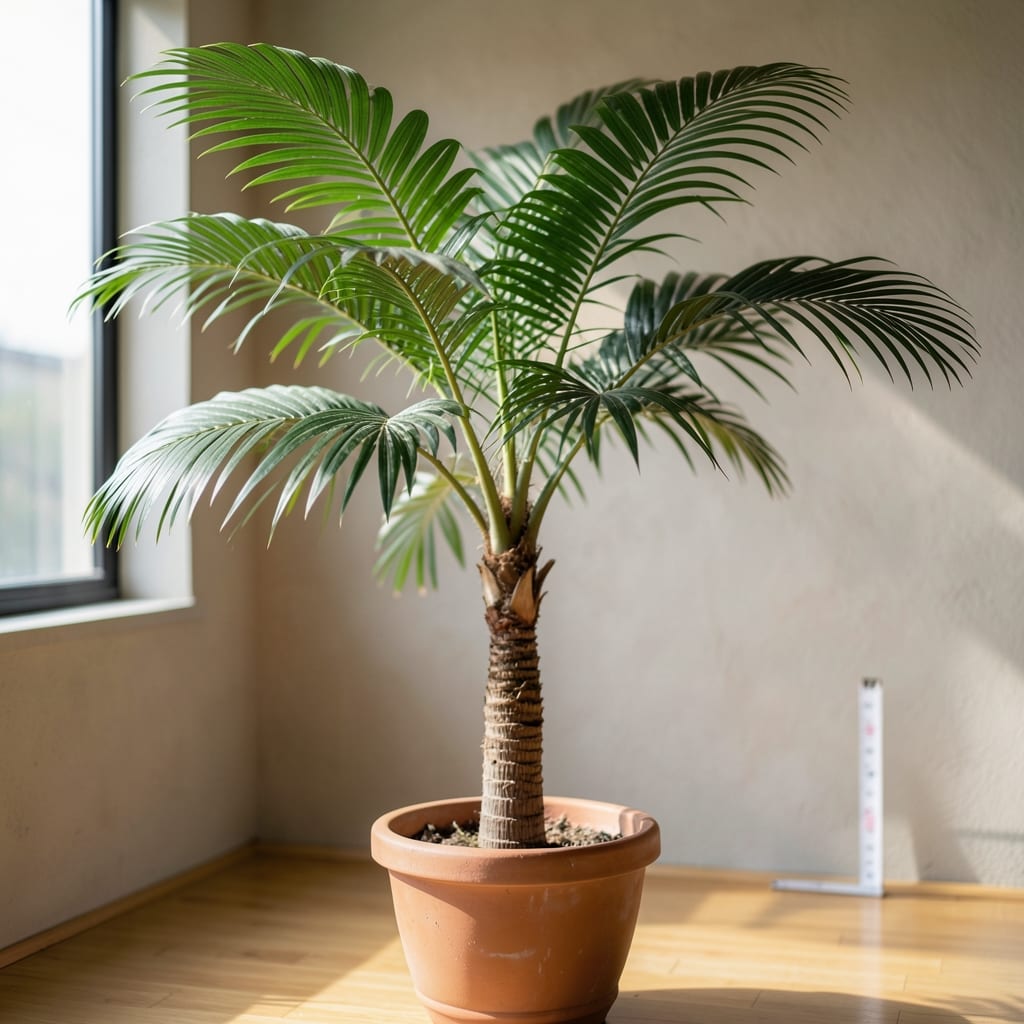
Wondering how tall do areca palms grow before they tower over your living room? The answer might surprise you—these tropical beauties 🌴 can stretch from modest tabletop companions to ceiling-grazing giants, depending on where you grow them.
Indoor areca palms typically mature between 10 to 20 feet, but with the right care (or pruning tricks), you can keep them at a manageable 6 to 10 feet for small spaces. The key lies in light exposure, pot size, and variety—some dwarf types stay compact, while others reach for the sky.
Outdoors in warmer climates, they grow even taller, but most homeowners prefer controlling their height indoors. I’ll show you exactly how to manage growth—whether you want a floor-length statement piece or a cozy countertop palm.
From slow-growth tips to pruning secrets, let’s break down how to get the perfect-sized areca palm for your home—without sacrificing that lush, jungle vibe.

Areca palm height by variety: from dwarf to towering giants
Areca palms Dypsis lutescens are famous for their feathery fronds and air-purifying powers, but their mature height varies wildly. The standard variety can reach 10 to 20 feet indoors, while dwarf types stay under 6 feet. Outdoors in tropical climates, they grow even taller—some exceeding 30 feet in ideal conditions.
Your palm’s height depends on three key factors: variety, light exposure, and container size. A smaller pot restricts root growth, slowing height increases, while bright indirect light fuels rapid vertical growth. Let’s break down the most popular varieties and their mature sizes.
Here’s what to expect from each type, including how they compare indoors vs. outdoors:
| Variety | Indoor Height | Outdoor Height | Growth Rate | Best For |
|---|---|---|---|---|
| Dypsis lutescens (Standard) | 10–20 ft | 20–30 ft | Moderate (1–2 ft/year) | Large spaces, statement plants |
| Dwarf Areca Palm | 3–6 ft | 6–10 ft | Slow (6–12 in/year) | Small apartments, offices |
| Areca Triandra (Golden Areca) | 8–15 ft | 15–25 ft | Fast (2–3 ft/year) | Sunny rooms, conservatories |
| Mini Areca Palm | 2–4 ft | 4–6 ft | Very slow (3–6 in/year) | Desks, shelves, small pots |
If you’re working with limited space, the mini areca palm is your best bet—it stays under 4 feet and grows at a snail’s pace. For a bold statement, the standard areca palm will dominate a room, but it requires regular pruning to control its height.
Outdoors, these palms thrive in USDA zones 10–12, where they can grow 30+ feet without intervention. In cooler climates, they’re strictly indoor plants, but with the right care, they’ll still reward you with lush fronds and improved air quality.
Pro tip: Rotate your palm every few months so all sides get equal bright indirect light. This encourages even growth and prevents lopsided height increases. A well-lit palm grows taller and fuller than one struggling in a dark corner.
For slow-growth results, keep your palm in a smaller pot (just 1–2 inches larger than the root ball). This restricts root expansion, which in turn slows vertical growth. Just be sure to repot every 2–3 years to prevent root-bound stress.
🌿
How to control areca palm height: pruning, light, and pot size secrets
Want to keep your areca palm at a manageable height? The secret lies in understanding three key factors: pruning techniques, light exposure, and pot size. Unlike outdoor palms that grow wild, indoor areca palms thrive when you guide their growth with intentional care.
First, pruning is your best tool for controlling height. Unlike many palms, areca palms respond well to pruning—just remove the top 1-2 feet of fronds to slow vertical growth. This encourages bushier growth and keeps your palm at your desired height. I recommend pruning in spring or early summer when the plant is actively growing.
Next, light exposure directly impacts height. Areca palms grow taller when they reach for light, so placing them in bright indirect light (like an east-facing window) helps control their size. Too little light? They’ll stretch and grow leggy. Too much direct sun? They’ll scorch. The sweet spot is 4-6 hours of filtered light daily.
Here’s where most people go wrong: pot size plays a huge role. A root-bound palm grows faster because it’s stressed. To slow growth, choose a pot that’s only 1-2 inches wider than the root ball. If you want a compact palm, opt for a smaller pot and fertilize lightly. For faster growth (and taller palms), upgrade to a larger pot every 2-3 years.
🌱 Pro Tip: Combine these three tricks for the perfect-sized palm. Prune in spring, place near an east window, and keep it in a snug pot. Your areca palm will stay lush but manageable—no jungle takeover!
Trim 1-2 feet of fronds in spring/summer to slow height growth and encourage bushiness.
Place in bright indirect light (east window) to prevent leggy growth. Avoid harsh midday sun.
Use a snug pot (1-2" wider than roots) to slow growth. Upgrade pots every 2-3 years for faster growth.
Use a balanced 6-6-6 fertilizer every 4-6 weeks in spring/summer. Reduce in fall/winter.
Keep soil consistently moist but avoid waterlogging. Water in the morning for best results.
With these techniques, you can easily keep your areca palm at 6-10 feet indoors—perfect for living rooms or hallways. Need it even smaller? Dwarf varieties like Dypsis lutescens 'Mini' stay under 5 feet with proper care. The choice is yours!
🌿 Remember: Patience is key. Areca palms grow about 1 foot per year indoors, so consistent care pays off over time.