
How To
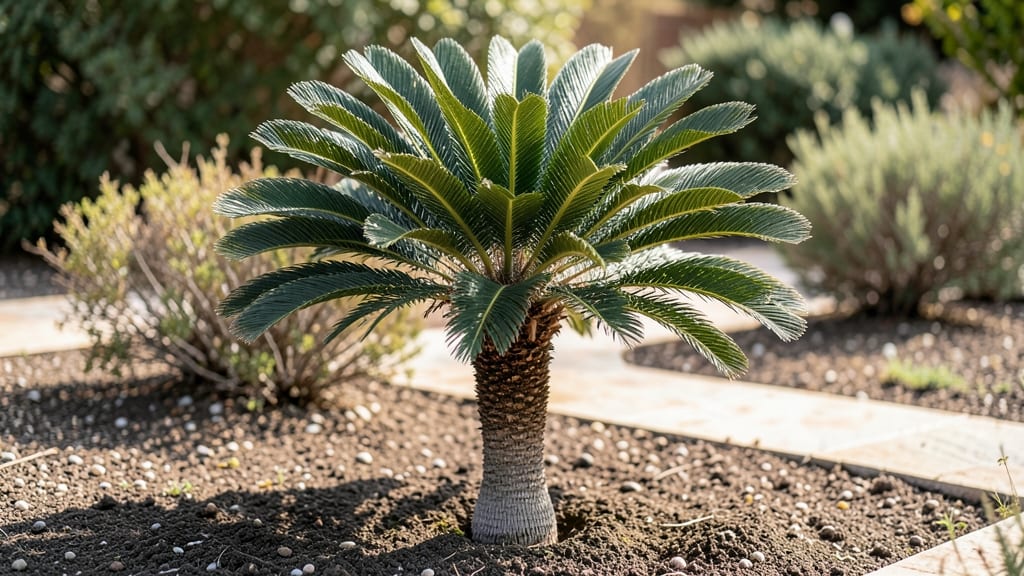
Pygmy date palm height guide: how tall they grow in containers and ground planting
The Pygmy Date Palm (Phoenix roebelenii) is one of the most popular compact palms for small gardens, patios, and containers—but its mature height often surprises first-time growers.
While it’s called "pygmy," this palm typically reaches 4 to 6 feet tall under ideal conditions, with a spread of 3 to 5 feet. In containers, growth slows significantly, often staying under 3 feet if properly managed.
Unlike its larger cousins, this palm grows at a moderate pace, adding just 6 to 12 inches per year in optimal settings.
Your Pygmy Date Palm’s final height depends on three key factors: planting method (ground vs. container), climate conditions, and care routine.
For example, a palm planted in well-draining soil with full sun exposure in USDA Zones 10-12 will grow taller than one in a small pot with partial shade.
Even in ideal conditions, it rarely exceeds 6 feet, making it perfect for small yards, balconies, or indoor spaces with bright light.
Here’s what you need to know about height expectations based on where you plant it—and how to keep it at your desired size.
| Growth Stage | Height Range (Feet) | Growth Rate | Best For |
|---|---|---|---|
| Year 1 | 1–2 ft | Slow (3–6 in) | Containers, indoor pots |
| Year 2–3 | 2–4 ft | Moderate (6–12 in/year) | Ground planting, large pots |
| Mature (5+ years) | 4–6 ft | Slow (3–6 in/year) | Landscaping, tropical accents |
| Container-Grown | 2–3 ft (max) | Slower (root-bound) | Patios, balconies, indoor decor |
If you’re growing your Pygmy Date Palm in a container, height is the easiest factor to control. Roots circling the pot stunt growth, so choose a large enough container (at least 15-gallon capacity for mature palms) with drainage holes.
Without proper root space, your palm may never exceed 3 feet, even after years of growth. In contrast, ground-planted palms have more room to spread their roots, leading to faster vertical growth—especially in warm, humid climates like Florida or California.
Another critical factor is sunlight exposure. While Pygmy Date Palms thrive in full sun (6+ hours daily), they’ll grow taller and leggier in low-light conditions. If you’re keeping yours indoors near a south-facing window, expect slower growth and a more compact shape.
Outdoors, palms in partial shade (like under a light canopy) may reach 5 feet but with fewer fronds and weaker trunks.
Climate also plays a role. In USDA Zones 10–12, where winters are mild, these palms grow consistently year-round, reaching maturity faster. However, in cooler microclimates (like Zone 9b), growth may pause in winter, keeping your palm shorter for longer.
If you live in a transition zone, protect your palm from temperatures below 20°F—even a single cold snap can stunt growth permanently.
For landscape design, the Pygmy Date Palm’s height makes it ideal for small gardens, courtyard accents, or container arrangements. Pair it with bamboo, ferns, or dwarf citrus trees to create a tropical microclimate.
In urban settings, its compact size allows it to thrive in small courtyards or rooftop gardens where larger palms would overwhelm the space. Even in indoor settings, it’s one of the few palms that can thrive near windows without stretching unnaturally.
Pro tip: If you want to keep your Pygmy Date Palm under 4 feet, prune the oldest fronds regularly to encourage bushier growth. Avoid topping the trunk, as this can weaken the palm and lead to rot or pest issues.
Instead, focus on root maintenance and balanced fertilization to keep it healthy and proportionate.
Ready to add one
Pygmy date palm height guide: how tall they grow in containers and ground planting
The Pygmy Date Palm (Phoenix roebelenii) is a compact tropical beauty, but its mature height often surprises gardeners. Unlike its name suggests, it’s not a true dwarf—expect it to reach 4 to 6 feet tall under ideal conditions.
In containers, growth slows significantly, often staying between 3 and 5 feet, making it perfect for patios or small yards.
Growth rate varies by environment: in USDA Zones 10-12, these palms thrive year-round, while cooler climates may see slower growth. With proper care, they can add 12 to 18 inches annually in their first few years.
The key to controlling height lies in sunlight, soil, and container size—all factors we’ll explore next.
| Growth Stage | Height Range | Notes |
|---|---|---|
| Year 1 | 1–2 ft | Slow initial growth; focus on root establishment. |
| Year 2-3 | 2–4 ft | Rapid growth phase; prune to shape if needed. |
| Mature (5+ years) | 4–6 ft | Slower growth; height stabilizes in containers. |
| Container-Grown | 3–5 ft | Root-bound plants grow slower; repot every 2–3 years. |
For ground planting, Pygmy Date Palms can reach their full 6-foot height within 5–7 years, especially in warm climates like Florida or California. In containers, however, their growth is naturally restricted.
A 15-gallon pot is ideal for the first few years, while a 20-gallon container supports long-term growth without crowding.
Sunlight is critical: 6+ hours of direct sun daily ensures healthy growth, while partial shade may stunt height. In low-light conditions (like indoor settings), expect slower growth and leggier fronds. Always use well-draining soil to prevent root rot, which can halt growth entirely.
Pruning plays a role in managing height. Remove dead or yellow fronds at the base to encourage new growth, but avoid cutting the crown shaft—this can permanently reduce height. For container-grown palms, top-dressing with compost annually provides nutrients without overfeeding, which can lead to rapid (and potentially unmanageable) growth.
If you’re aiming for a compact look, combine these strategies: prune regularly, use smaller containers, and place your palm in bright indirect light. With these adjustments, you can keep your Pygmy Date Palm at a manageable 3–4 feet tall even in ground planting.