
How To
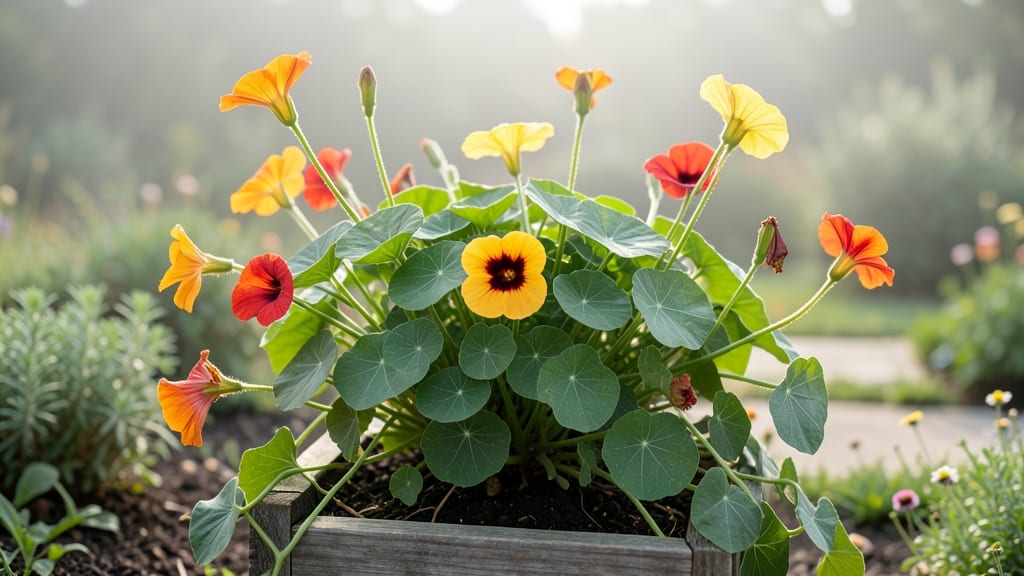
Wondering how tall does nasturtium grow in your garden? These cheerful 🌸 flowers can range from delicate spillers to sturdy upright plants, making them perfect for containers, borders, or edible gardens.
Trailing varieties like 'Alaska' typically stretch 6 to 24 inches, while bushier types such as 'Empress of India' can reach 2 to 3 feet. The difference comes down to sunlight, soil, and how you prune—so your growing conditions play a bigger role than you might think.
Whether you're planning a hanging basket or a vertical garden, understanding these height variations helps you maximize space and beauty. I’ll break down the key factors that influence growth and share simple tricks to keep your nasturtiums thriving—no matter which variety you choose.
Ready to transform your garden with these versatile plants? Let’s dive into the details so you can get the perfect height for your space.


Nasturtium height variations: trailing vs upright growth explained
Nasturtiums offer two distinct growth habits that dramatically impact their height and garden placement. Trailing varieties like 'Alaska' or 'Jewel Mix' grow 6–24 inches tall but spread 2–3 feet wide, making them perfect for hanging baskets or ground cover.
Upright types such as 'Empress of India' can reach 2–3 feet tall with minimal trailing, ideal for borders or containers.
The species type plays a huge role: Tropaeolum majus (common nasturtium) typically stays 1–3 feet tall, while Tropaeolum tuberosum (Inca wheat) grows 3–5 feet tall with edible tubers. Even within species, cultivar selection determines whether your nasturtiums become sprawling vines or compact bushes.
Gardeners often overlook how pruning habits influence height. Regularly pinching back trailing varieties keeps them shorter and bushier, while letting upright types grow unchecked encourages taller, leggier stems. The key is understanding your garden’s vertical space and choosing varieties that fit your design goals.
Here’s how to visualize the differences:
For container gardens, trailing varieties excel in hanging baskets or window boxes, where their cascading habit adds drama. Place them near southeast-facing windows to maximize sunlight exposure. Upright types shine in raised beds or vertical planters, where their height creates focal points without overwhelming smaller spaces.
If you’re growing nasturtiums for edible flowers, choose compact varieties like 'Tom Thumb' (6–12 inches) to simplify harvesting. Their shorter stature keeps leaves and blossoms within easy reach, reducing the risk of damage during picking.
For ornamental displays, taller varieties like 'Empress of India' create stunning vertical accents when paired with trellises or obelisks.
One common misconception is that all nasturtiums need full sun to reach their maximum height. While 6+ hours of sunlight is ideal, partial shade (3–6 hours) will still produce vibrant blooms—just expect 10–20% shorter plants. This makes them versatile for shadier garden corners where taller flowers might struggle.
Pro tip: Mix trailing and upright varieties in the same container for a layered effect. Place taller types at the back and let cascading varieties spill over the edges. This 3D arrangement maximizes visual interest while keeping the overall height manageable for patios or balconies.
Your nasturtium’s height isn’t set in stone—it’s shaped by your growing conditions and care choices. With the right variety and a little strategic pruning, you can coax your plants to fit perfectly into any garden design, whether you need ground cover, vertical accents, or edible harvests.
Nasturtium height variations: trailing vs upright growth explained
Nasturtiums (Tropaeolum majus) come in two primary growth forms that dramatically impact your garden design: trailing varieties and upright bush types. The height difference isn’t just about aesthetics—it affects spacing, sunlight access, and even pest control.
For example, my trailing 'Alaska' nasturtiums spread 12–24 inches wide but only reach 6–12 inches tall, making them perfect for hanging baskets or window boxes. In contrast, the upright 'Empress of India' can tower 24–36 inches tall while staying compact at just 12–18 inches wide.
Choosing the right variety depends on your garden’s layout. Trailing types excel in vertical spaces, while bush varieties work well in border plantings or as living mulch.
Even within these categories, heights vary: dwarf nasturtiums like 'Tom Thumb' stay under 12 inches, while standard bush types can reach 3 feet with proper care. Understanding these differences helps you avoid overcrowding and maximizes your garden’s productivity.
🌿The species also plays a role in height. Tropaeolum majus (common nasturtium) typically stays 1–3 feet tall, while Tropaeolum tuberosum (Inca or Andean nasturtium) can climb 6–10 feet on trellises—though it’s less common in home gardens.
Even within Tropaeolum majus, light conditions influence height: partial shade can reduce growth by 30–50%, while full sun encourages taller, bushier plants. If you’re growing nasturtiums for edible flowers or leaves, upright varieties often yield more harvestable material due to their denser foliage.
Pro tip: Mature height isn’t set in stone—pruning can adjust it. Pinching back trailing varieties by one-third early in the season encourages bushier growth and prevents them from becoming leggy. For upright types, deadheading spent blooms redirects energy to stem thickening, resulting in sturdier, taller plants.
I’ve seen 'Empress of India' reach 3 feet with regular pruning, while neglected plants may only hit 18 inches.
Height also affects pest resistance. Taller nasturtiums are less vulnerable to slugs and snails, which struggle to navigate upright stems. Meanwhile, trailing varieties benefit from elevated planting (like hanging baskets) to keep foliage off the ground.
When planning your garden, group similar-height nasturtiums together to create visual harmony and make maintenance easier. For example, pair dwarf nasturtiums with thyme or creeping thyme in rock gardens, while upright types complement roses or lavender in borders.
Remember, soil quality and watering habits further influence height. Poor drainage or overwatering can stunt growth by 20–40%, while well-amended soil with compost promotes healthier, taller plants.
If your nasturtiums aren’t reaching their expected height, check your growing conditions—they might need more sunlight, better soil, or less frequent watering to thrive. 🌸