
How To
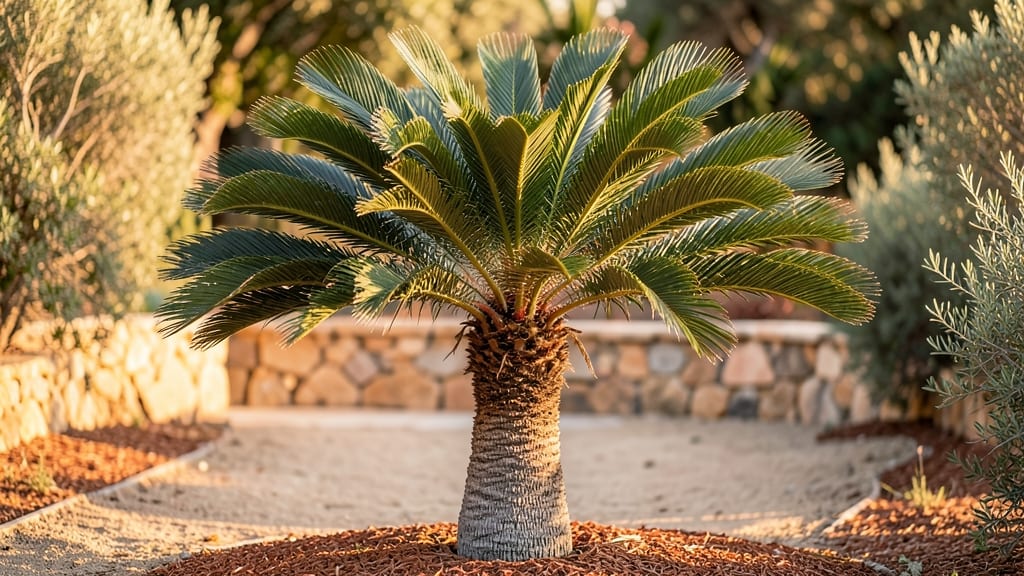
If you're asking "how tall do Pindo palms grow", you're probably weighing whether this stunning 🌴 fits your space—or your dream of a tropical escape.
The answer might surprise you: these palms can reach 20 to 40 feet in ideal conditions, making them a bold statement piece for larger landscapes.
But here's the kicker: their growth speed is what makes them so exciting. In the right climate—think USDA Zones 10-12—they can shoot up 3 to 5 feet per year when young, turning from a sapling to a towering beauty in just a few seasons.
That means your patience pays off faster than you'd expect.
What really sets Pindo palms apart is their adaptability. Whether you're in coastal Florida or Southern California's arid zones, they thrive with full sun and well-draining soil, though they'll slow down (but never stop growing) in cooler microclimates.
The key? Giving them room to stretch their leaves—and maybe planning for some strategic pruning if you want to keep them more manageable.
Ready to transform your outdoor space? I'll break down exactly how to maximize their growth, from planting tips to climate-specific care, so you can enjoy this tropical giant without the guesswork. Let's get started.


Pindo palm height by mature growth stage: what to expect in your region
If you're considering a Pindo palm (Butia capitata) for your landscape, its mature height can vary dramatically based on your climate zone and growing conditions.
In ideal settings—like USDA Zones 9–11—these palms typically reach 20–40 feet tall, though coastal areas often see slower, more compact growth due to salty air and cooler temperatures. Inland regions, especially in Southern California or Arizona, can push them toward the upper limit of that range.
The Pindo palm's growth stages are a gradual journey. In their first year, you’ll see a 1–2 foot sapling, while by year three, they can surge to 6–10 feet. This rapid early growth is one reason they’re so popular for quick landscape impact.
However, their final height is heavily influenced by soil drainage, water availability, and winter temperatures. In colder microclimates (like Zone 8b), growth may stall entirely in winter, keeping heights closer to 15–20 feet.
Here’s the key takeaway: Pindo palms are not one-size-fits-all. A palm in Florida’s humid heat might top out at 30 feet, while one in drier inland Southern California could reach 40 feet with consistent care.
Their adaptability makes them a versatile choice, but planning for their eventual size is critical—especially if you’re working with power lines or smaller yards.
| Growth Stage | Height Range (Feet) | Climate Notes |
|---|---|---|
| Year 1 | 1–2 ft | Slowest in cooler zones (Zone 8b) |
| Year 3 | 6–10 ft | Fastest in Zone 10+ with full sun |
| Mature (10+ years) | 20–40 ft | Coastal: 20–30 ft; Inland: 30–40 ft |
| Cold-Hardy Limit | 15–20 ft | Zone 8b with winter protection |
The Pindo palm’s height isn’t just about time—it’s about environmental factors.
For example, palms in Southern Florida may grow 3–4 feet per year in their prime due to year-round warmth and humidity, while those in Phoenix, Arizona, might grow 2–3 feet annually due to hot, dry summers and cooler winters. Soil quality also plays a role: Well-draining, sandy loam accelerates growth, whereas clay-heavy soil can stunt it.
If you’re in a cooler microclimate, like Zone 8b, expect slower growth and a more compact final height unless you provide winter protection.
Another critical factor is water access. Pindo palms are drought-tolerant once established, but consistent deep watering (every 7–14 days) in their first 2–3 years ensures they hit their genetic height potential.
In arid regions, like Southern California, their roots dive deep for moisture, which can actually boost growth rates compared to waterlogged soils. Conversely, overwatering in humid climates (like Houston, Texas) can lead to root rot and stunted growth.
For those in smaller landscapes, the good news is that Pindo palms can be pruned to manage height, though this won’t drastically reduce their mature size. If you’re planting near power lines, opt for a spaced-out location and monitor growth closely.
In urban settings, their slow lateral spread (only 5–10 feet wide) makes them a great choice for tight spaces, even if their height requires careful planning.
One common misconception is that Pindo palms grow equally well in all tropical climates. While they thrive in USDA Zones 9–11, their cold-hardiness is limited. A single-digit freeze can damage or kill younger palms, while mature palms may survive 20°F with some foliage scorch.
In Zone 8b, wrapping the trunk with burlap and mulching heavily can help them push through winter and reach closer to their full height potential.
To visualize their size, imagine a Pindo palm at maturity standing taller than a two-story house (~25 feet). In ideal conditions, they can easily surpass 30 feet, making them a statement piece in any landscape.
However, if you’re in a cooler or coastal climate, expect a more modest 15–25 feet. The key to maximizing their height is providing the right conditions—and knowing what to expect at each growth stage.
Before planting, check your local
Fastest Pindo palm growth rates: how quickly does it reach mature height?
Pindo palms (Butia capitata) are known for their impressive growth speed, especially in ideal conditions. Under perfect circumstances—like full sun exposure, well-draining soil, and consistent moisture—they can shoot up 2–4 feet per year during their prime growing years.
This means a 3-year-old sapling could reach 6–10 feet tall, while a 10-year-old palm might already be towering at 20 feet.
Growth rates slow slightly as palms mature, but they still add 1–2 feet annually even after reaching 20 feet. In coastal climates like Florida or Southern California, the humidity and warmth can accelerate growth, while arid inland zones (e.g., Arizona) may see slightly slower but steady progress.
The key to maximizing speed? Consistent care and avoiding stress factors like drought or poor soil.
🌱
📌 Fastest Growth Factors
- 🌞 Full Sun (6+ hours/day): Direct sunlight fuels rapid growth; shade slows it by 30–50%.
- 💧 Deep Watering: 10–15 gallons weekly for young palms; mature palms need bi-weekly deep soaks.
- 🌿 Well-Draining Soil: Sandy loam or amended soil prevents root rot, which stunts growth.
- 🌡️ Warmth (USDA Zones 9–11): Palms in Zone 10+ grow 20–30% faster than in cooler microclimates.
- 🌱 Fertilization: Balanced NPK (6-6-6) every 3–4 months in spring/fall boosts height gains.
If you’re planting a Pindo palm in a smaller landscape, consider its growth trajectory early. A palm that starts at 2 feet in Year 1 could easily reach 15 feet by Year 5—so plan for its future canopy size!
In urban settings, where space is limited, younger palms (under 10 feet) are ideal until you’re certain of long-term placement.
Pruning can also influence growth rates. While removing dead fronds is healthy, over-pruning (cutting more than 1/3 of fronds) can stress the palm and slow height development. Focus on maintenance pruning to keep it looking sharp without sacrificing growth potential.
For the fastest results, pair your Pindo palm with mulch to retain moisture and regular fertilization. In just 5–7 years, you could have a stunning, mature specimen—perfect for adding tropical flair to your yard!
Just remember: patience pays off, and every foot of growth brings you closer to that 20–40-foot masterpiece.
🌴