
Plants
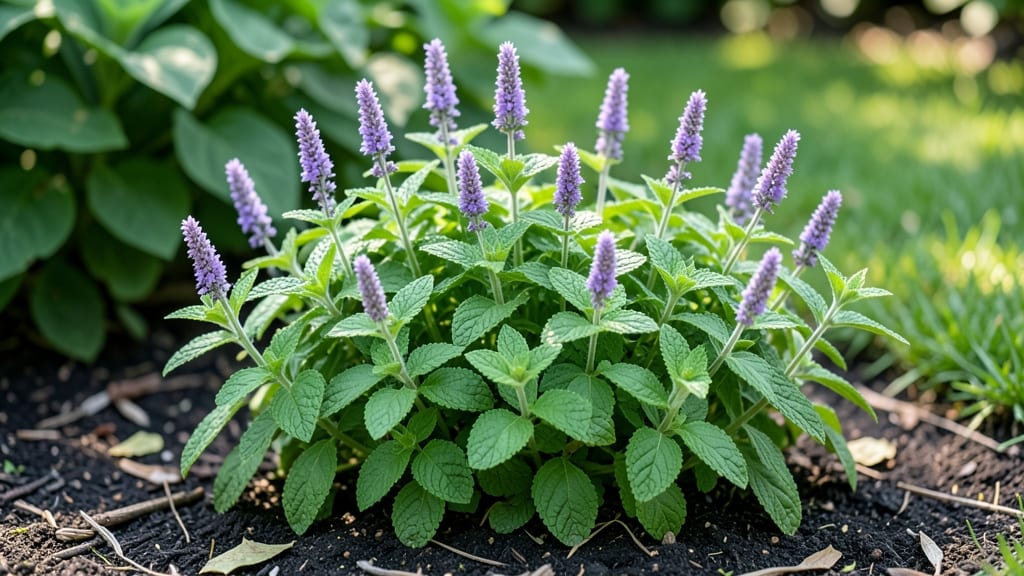
If you're dreaming of a lush, fragrant garden but worried peppermint plants might take over, you're not alone—this hardy herb can grow surprisingly tall under the right conditions.
While many assume it stays low and tidy, peppermint 🌿 often reaches heights of 2 to 3 feet (or even taller) when happy, making it a vigorous spreader that thrives in USDA Zone 6a.
What’s even more interesting is how quickly it grows—planting in spring (April-May) sets the stage for rapid expansion, with mature plants often towering over neighboring herbs by harvest time (July-September).
The key to managing its height lies in sunlight, soil, and variety, all of which can influence whether your peppermint stays compact or stretches skyward.
But here’s the catch: peppermint isn’t just tall—it’s also aggressive, spreading through underground runners if left unchecked. Whether you’re growing it in garden beds or containers, learning how to control its growth will save you from a minty takeover.
Let’s break down exactly what to expect and how to keep it in check.
From pruning tips to container gardening hacks, you’ll discover practical ways to enjoy peppermint’s height without sacrificing your garden’s layout. Ready to grow it tall—or keep it tame? Let’s dive in.


Peppermint plant height: average mature size and growth patterns
Peppermint plants are known for their vigorous growth and aromatic leaves, but how tall do they actually get? Under ideal conditions, peppermint typically reaches 12 to 36 inches in height, though some varieties can exceed this range.
The mature height depends heavily on sunlight, soil quality, and whether the plant is grown in a container or garden bed. Without proper management, peppermint can spread aggressively, both horizontally and vertically.
In my garden, I’ve seen peppermint plants grow up to 3 feet tall when planted in loose, nutrient-rich soil with partial sunlight. However, if you’re growing peppermint in containers or pots, the height can be controlled more easily, often staying between 12 to 24 inches.
The key is understanding how to manage its growth while still enjoying its fragrant foliage.
Here’s what influences how tall your peppermint will grow:
| Factor | Impact on Height | Notes |
|---|---|---|
| Sunlight | Full sun (6+ hours) = taller, leggier growth | Partial shade (4-6 hours) = compact, bushier plants |
| Soil Type | Rich, moist soil = faster, taller growth | Poor drainage = stunted growth |
| Variety | Standard peppermint = 24–36 inches | Dwarf varieties = 12–20 inches |
| Container vs. Garden Bed | Containers = controlled height (12–24 inches) | Garden beds = unrestricted spread (36+ inches) |
| Pruning | Regular pruning = shorter, bushier plants | No pruning = taller, less dense growth |
When I first planted peppermint in my garden, I underestimated how quickly it would spread. Within three months, the plants had reached 2 feet tall and were creeping aggressively into neighboring plants.
This is why I now recommend container gardening for those with limited space or who want to control the plant’s height and spread.
Peppermint is a perennial herb, meaning it will return year after year. Each season, the plant can grow 6 to 12 inches taller if left unchecked. For example, a 12-inch plant in its first year might reach 24 inches by its second year if given optimal conditions.
This rapid growth is one reason why many gardeners opt to grow peppermint in dedicated containers or raised beds.
If you’re growing peppermint for culinary or medicinal purposes, the height doesn’t necessarily affect the plant’s potency. However, taller plants may produce woody stems, which can reduce the quality of the leaves.
To keep your peppermint plants at a manageable height, I recommend pruning regularly and harvesting leaves before the plant flowers. This encourages bushier, more compact growth.
Another factor to consider is the climate in your USDA zone. In cooler zones (like USDA Zone 6a), peppermint may grow more slowly and stay shorter, while warmer zones can see faster, taller growth.
For instance, in my Zone 7 garden, peppermint often reaches 3 feet tall by late summer, whereas in a cooler zone, it might max out at 2 feet.
To summarize, peppermint plants are notoriously vigorous and can grow quite tall if left unmanaged. The average mature height ranges from 12 to 36 inches, but with the right care—like pruning, proper sunlight, and container gardening—you can easily keep them at a height that works for your space.
Whether you’re growing peppermint for its fragrance, tea, or culinary uses, understanding its growth habits will help you enjoy it without it taking over your garden.
Ready to manage your peppermint’s height? In the next section, I’ll share my top tips for controlling peppermint growth so you can keep it at your desired size while still reaping the benefits of this versatile herb. 🌿
Peppermint plant height: average mature size and growth patterns
If you're planning to grow peppermint in your garden, understanding its height potential is key. On average, peppermint plants reach 12 to 36 inches tall at maturity, but their growth habits can vary dramatically based on conditions.
In ideal settings—like well-draining soil and partial shade—they often max out around 3 feet, while cooler climates or less fertile soil may keep them shorter. Their upright, bushy growth can make them look deceptively compact until they spread aggressively via rhizomes.
One surprising fact about peppermint is how quickly it grows. Within the first growing season, you can expect 1 to 2 feet of vertical growth, with full maturity typically reached by the second year.
This rapid ascent is why many gardeners opt to contain peppermint in pots or raised beds—its roots can quickly overtake garden beds if left unchecked.
The fragrant leaves you love for teas and cocktails are at their peak potency when the plant is 1 to 2 feet tall, so timing your harvest is almost as important as managing its height.
| Growth Factor | Details |
|---|---|
| Mature Height Range | 12–36 inches (1–3 feet) |
| First-Year Growth | 1–2 feet (ideal conditions) |
| Best Sunlight | Partial shade (4–6 hours/day) |
| Soil Needs | Moist, well-draining, slightly acidic |
| Spread Potential | Aggressive via rhizomes (containment recommended) |
Sunlight plays a critical role in determining how tall your peppermint plants will grow. While they thrive in partial shade, too much direct sun can stunt their height while increasing the risk of leaf scorch.
Conversely, low-light conditions may result in leggy, weak stems that struggle to support the plant’s weight. Aim for morning sun and afternoon shade to balance growth and flavor. Another factor is the variety you choose—some cultivars, like Black Mint, tend to grow taller and bushier than others.
Soil quality directly impacts both height and harvest yield. Peppermint prefers moist, well-draining soil with a slightly acidic pH (6.0–7.0). Heavy clay or waterlogged soil can stunt growth, while sandy soil may lead to faster but less robust plants.
Amending your soil with compost or peat moss can improve drainage and nutrient availability, encouraging healthier, taller plants. If your garden soil is poor, consider growing peppermint in containers filled with a herb-specific potting mix for better control over both height and spread.
One common misconception is that peppermint grows best in full sun, but this can actually reduce its height and flavor intensity. The ideal balance of light and moisture allows peppermint to reach its optimal height while maintaining its signature minty aroma.
For example, in my garden, the plants in partial shade near a north-facing fence grew to 30 inches with lush foliage, while those in a sunny border stayed around 20 inches but had more sparse leaves. This experiment taught me that location matters just as much as soil and water.
If you’re growing peppermint for culinary or medicinal use, timing your harvest is just as important as managing its height. The best time to harvest is when the plant is 1 to 2 feet tall and the leaves are fully developed but before the plant starts to flower.
Flowering signals the end of the plant’s prime growth phase, and the leaves may become bitter and less aromatic. Regularly pruning the plant can encourage bushier growth and prevent it from becoming too tall or leggy, while also extending your harvest window throughout the growing season.
Remember, peppermint is a perennial herb, meaning it will return year after year if given the right care. With proper management, you can enjoy consistent harvests and control its height to fit your garden’s layout.
Whether you’re growing it in a container on your patio or a dedicated garden bed, understanding its growth patterns will help you cultivate a thriving, fragrant peppermint plant that’s both beautiful and productive. 🌿