
How To
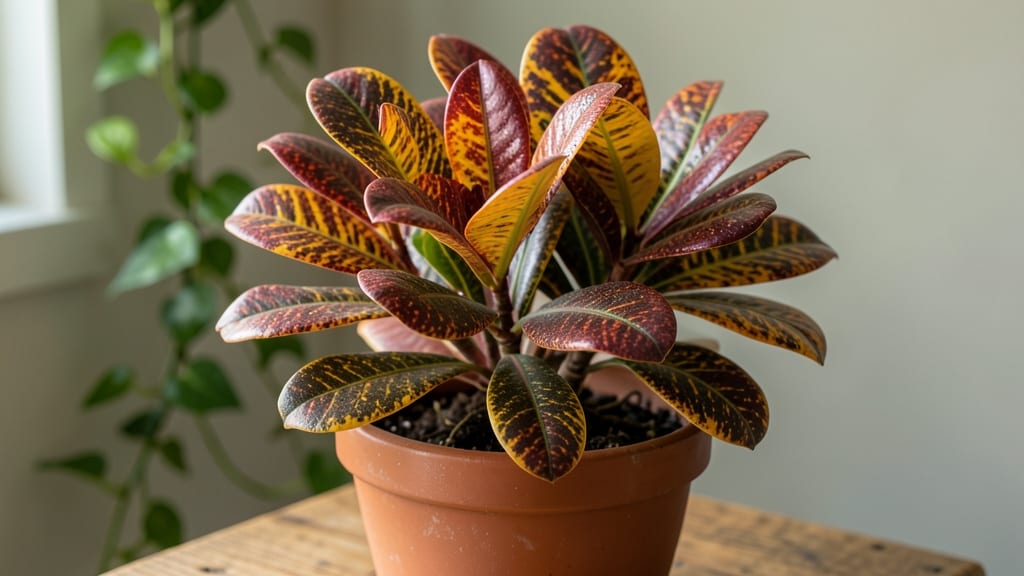
If you’ve ever wondered how tall do croton plants grow before adding one to your collection, the answer might surprise you—these vibrant 🌿 plants can range from compact tabletop companions to towering indoor statement pieces, depending on their variety and care.
For gardeners planning their space, knowing your croton’s potential height helps with placement and maintenance. Some dwarf varieties stay under 2 feet, while standard types can reach 6 feet or more with proper light and pruning.
The key? Light exposure plays a huge role—too little, and your croton stretches leggy; too much, and it stays bushy and controlled.
Whether you’re growing crotons indoors near a sunny window or outdoors in USDA Zone 6, understanding their growth habits lets you shape them to fit your space. I’ll break down the height differences by variety and share tips to keep your croton at your ideal height—no overgrown jungle required.
Ready to transform your croton from a wild specimen into a perfectly sized showstopper? Let’s dive into the details so you can enjoy your plant’s full potential—without the guesswork.


Croton plant height by variety: from dwarf to giant species
If you're wondering how tall your croton plant will grow, the answer depends entirely on the variety you've chosen. Crotons (Codiaeum variegatum) come in stunning colors and dramatic shapes, but their mature height can vary from compact shrubs to towering tropical giants.
Let's break down the most popular varieties and their typical growth patterns.
Most dwarf varieties like 'Petra' or 'Mini Mammoth' stay between 1-3 feet tall, making them perfect for shelves or small spaces. Meanwhile, standard varieties like 'Gold Dust' or 'Mammoth' can reach 3-6 feet indoors or even taller outdoors with ideal conditions.
The key difference lies in their genetic growth habits—some naturally stay bushy while others grow more upright.
Here’s a quick reference for the most common croton varieties and their expected heights:
| Variety | Mature Height | Growth Form | Notes |
|---|---|---|---|
| Petra | 1-2 ft | Bushy | Slow-growing, great for small spaces |
| Mini Mammoth | 2-3 ft | Tree-like | Compact but needs pruning to stay small |
| Gold Dust | 3-5 ft | Bushy to semi-tree | Classic variety, thrives in bright light |
| Mammoth | 4-6 ft | Tree-like | Fast-growing, needs space or pruning |
| Outdoor Varieties | 6-10 ft | Shrub or small tree | Hardy in zones 10-11, needs winter protection |
The height range you see in the table assumes average care, but light exposure and pruning can push these numbers higher or lower.
For example, a 'Gold Dust' croton in low light might stretch to 5 feet, while the same plant in bright indirect light could stay under 3 feet with regular pruning.
Another factor to consider is whether your croton grows as a bushy shrub or a tree-like form. Varieties like 'Petra' naturally stay low and wide, while 'Mammoth' grows taller with a single trunk.
If you love the tropical vibe but limited space, opt for a bushy variety and prune regularly to keep it compact.
Outdoor crotons, especially those grown in USDA zones 10-11, can become true giants, reaching 6-10 feet with proper care. These are often used as shrubs or small trees in landscape designs, adding bold color and texture to gardens. Just remember, outdoor crotons need winter protection in colder climates.
If you're still unsure which variety to choose, consider your space and light conditions first. A south-facing window is ideal for most indoor crotons, while outdoor varieties thrive in full sun.
With the right variety and care, you can enjoy a croton that fits perfectly in your home or garden.
🌿
How light conditions dramatically affect croton plant growth
Light isn’t just about keeping your croton plant alive—it’s the secret weapon for controlling its height and shape. Too little light, and your 3-foot beauty might stretch into a 6-foot leggy monster.
Too much direct sun, and those stunning variegated leaves could scorch. Let’s break down how to use light to keep your croton at your desired height.
Crotons thrive in bright indirect light, which is why they’re perfect for east- or west-facing windows. In these conditions, most varieties stay between 2-4 feet tall, maintaining their compact, bushy form. The key is mimicking their tropical understory habitat—think dappled sunlight filtering through trees.
Here’s how light intensity directly impacts your croton’s growth:
If your croton starts stretching toward the light (a sign of etiolation), it’s begging for more bright indirect light. Move it closer to a window or supplement with a grow light for 12-14 hours daily.
This will tighten up growth and encourage fuller foliage, keeping it under 3 feet tall.
On the flip side, if your croton is getting too much direct afternoon sun, especially in hot climates, its leaves may bleach or crisp. In this case, filter the light with a sheer curtain or move it 6-12 inches back from the window.
This prevents sunburn while still providing enough light for healthy growth.
Outdoor crotons in USDA Zone 10+ can grow taller and bushier with morning sun and afternoon shade. In containers, they’ll stay 3-5 feet tall, while in-ground plants may reach 6 feet or more if given space.
Always monitor leaf color—healthy crotons have vibrant, glossy leaves, not pale or yellowing ones.
Pro tip: Rotate your croton quarter-turn weekly to ensure even light exposure and prevent lopsided growth. This simple habit keeps your plant balanced and at your desired height while showcasing those stunning variegated patterns.