
Trees
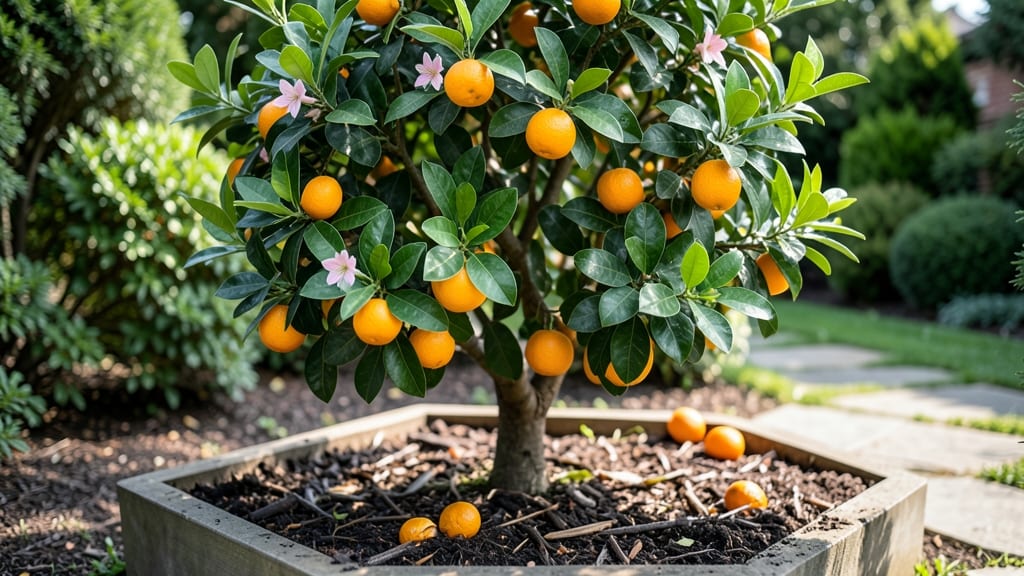
If you’ve ever dreamed of plucking fresh 🍊 mandarins straight from your backyard—or even a balcony pot—you’ll first need to know how tall these trees grow. The catch? Standard mandarin trees can stretch anywhere from 10 to 25 feet tall, which might not fit your space plans.
The good news? With the right variety and a few simple tricks, you can enjoy homegrown citrus without sacrificing your garden layout.
Whether you’re working with a cozy container or a sprawling yard, knowing how tall your mandarin tree will grow is the first step to success. Some varieties stay compact, while others reach towering heights—so let’s break down the options and care tips to help you choose wisely.
You’ll discover which types thrive in small spaces and how to manage growth for maximum fruit without the bulk.
From dwarf varieties that fit on a windowsill to pruning techniques that keep trees in check, we’ll cover everything you need to grow a mandarin tree that matches your space. Ready to turn your citrus dreams into reality? Let’s get started.
No matter your setup, the key is balancing size with productivity—so you can enjoy those sweet, juicy mandarins without the headache of overgrowth. Stay tuned for the best space-saving picks and expert tips to keep your tree happy and manageable.


Mature height of mandarin trees: varieties compared
Mandarin trees (Citrus reticulata) can reach impressive heights—some varieties towering over 20 feet—but their growth varies dramatically depending on the cultivar. If you're working with limited space, choosing the right variety is critical.
Standard mandarin trees typically grow between 10 and 25 feet tall, while dwarf and semi-dwarf varieties stay compact, making them perfect for containers or small gardens. Understanding these differences helps you plan your garden layout and container sizes effectively.
For example, a standard Satsuma mandarin (Citrus unshiu) can reach 15 to 20 feet in ideal conditions, while a dwarf Calamondin hybrid might only grow 6 to 10 feet tall.
The key difference lies in their rootstock—dwarf varieties are grafted onto stunted rootstock like Carrizo citrange or Swingle citrumelo, which naturally limits their height. Let’s break down the most common mandarin tree varieties and their mature heights to help you decide which fits your space.
🌱
As you can see, the Calamondin and Improved Meyer Lemon-Mandarin hybrids are the best choices for small spaces, while standard varieties like Citrus reticulata require significantly more room.
If you're growing mandarins in containers, aim for pots that are at least 18 inches in diameter for dwarf varieties and 24 inches for semi-dwarfs to accommodate root growth. Larger containers also help stabilize the tree and prevent it from tipping over in windy conditions.
Another factor influencing height is pruning. Regular pruning can reduce a standard mandarin tree’s height by up to 30%, making it more manageable in smaller gardens. I recommend pruning in late winter or early spring before new growth begins.
This not only controls height but also improves air circulation, reducing the risk of fungal diseases like citrus canker. For container-grown trees, pruning also encourages a bushier shape, which is ideal for maximizing fruit production in limited space.
Climate also plays a role in mandarin tree height. Trees grown in warmer climates (USDA zones 9-11) tend to grow taller and faster due to longer growing seasons. In cooler zones (7-8), growth slows, and trees may stay shorter unless you provide winter protection.
For example, a Satsuma mandarin in Florida might reach 20 feet, while the same variety in California’s coastal regions could max out at 15 feet due to cooler summers.
If you're planning to grow mandarins indoors near a south-facing window, expect slower growth and potentially shorter heights. Indoor trees often stay under 6 feet unless you supplement with grow lights. In this case, the Calamondin is my top recommendation—it thrives indoors and produces tiny, tart-sweet mandarin-like fruits year-round.
Just ensure it gets at least 6 hours of direct sunlight daily and rotate the pot occasionally for even growth.
🪴
One common misconception is that all mandarin trees require full sun and outdoor conditions. While it’s true that they need full sun for optimal fruit production, some dwarf varieties can tolerate partial shade, especially in hot climates.
However, shaded trees may produce fewer fruits and grow more slowly. If you're growing mandarins in a container on a balcony, place it in the sunniest spot possible and consider using a self-watering pot to maintain consistent moisture
Mature height of mandarin trees: varieties compared
If you're imagining a mandarin tree in your backyard, its mature height might surprise you. Standard varieties like Citrus reticulata can reach an impressive 18-25 feet, towering over most homes. But don’t let that deter you—dwarf and semi-dwarf options make these citrus trees perfect for containers or small spaces.
Understanding these differences helps you choose the right variety for your garden layout and goals.
For example, a standard mandarin tree grows like a small tree, requiring ample yard space, while dwarf varieties stay compact, ideal for patios or balconies. Even the fastest-growing mandarins won’t outpace their potential height without proper care.
Let’s break down the key varieties and their growth patterns to help you plan your citrus garden.
| Variety | Mature Height | Growth Rate | Best For |
|---|---|---|---|
| Standard Mandarin (Citrus reticulata) | 18-25 ft | 1-2 ft/year | Backyard orchards, large gardens |
| Dwarf Mandarin ('Improved Meyer') | 8-12 ft | 6-12 in/year | Containers, patios, small yards |
| Satsuma ('Owari') | 12-18 ft | 1-1.5 ft/year | Cold-hardy climates, semi-dwarf spaces |
| Calamondin ('Citrus madurensis') | 6-10 ft | 4-8 in/year | Indoor pots, bonsai-style |
Notice how dwarf varieties like the 'Improved Meyer' or Calamondin grow significantly slower and stay much shorter, making them ideal for urban gardens. Even in their first year, these trees remain manageable at 2-4 feet, while standard varieties can reach 6-10 feet by year two.
This slower growth also means you’ll enjoy fruit sooner—some dwarf mandarins bear in as little as 2-3 years!
Climate plays a role too. Satsuma mandarins, for example, thrive in cooler zones (USDA 7-9) and grow slightly slower than tropical varieties. If you’re in a warmer zone, expect faster growth but also more aggressive pruning needs.
Always check your local USDA hardiness zone before selecting a variety—some mandarins struggle in frost-prone areas unless they’re cold-hardy hybrids.
Another key factor is container size. A 5-gallon pot limits a dwarf mandarin to about 6 feet, while a 15-gallon pot can accommodate a 10-foot tree. Root-bound trees grow slower but produce smaller fruit, so upgrade pots every 2-3 years to encourage healthy growth.
For container growers, this means planning ahead for larger pots as your tree matures.
Finally, don’t overlook pruning techniques. Even standard mandarins can be kept smaller with regular pruning, while dwarf varieties benefit from open-center training to encourage bushier growth. We’ll dive deeper into pruning strategies in the next section, but for now, remember: height control starts at planting.
Choose the right variety, give it the right space, and watch it thrive without dominating your garden.