
Plants
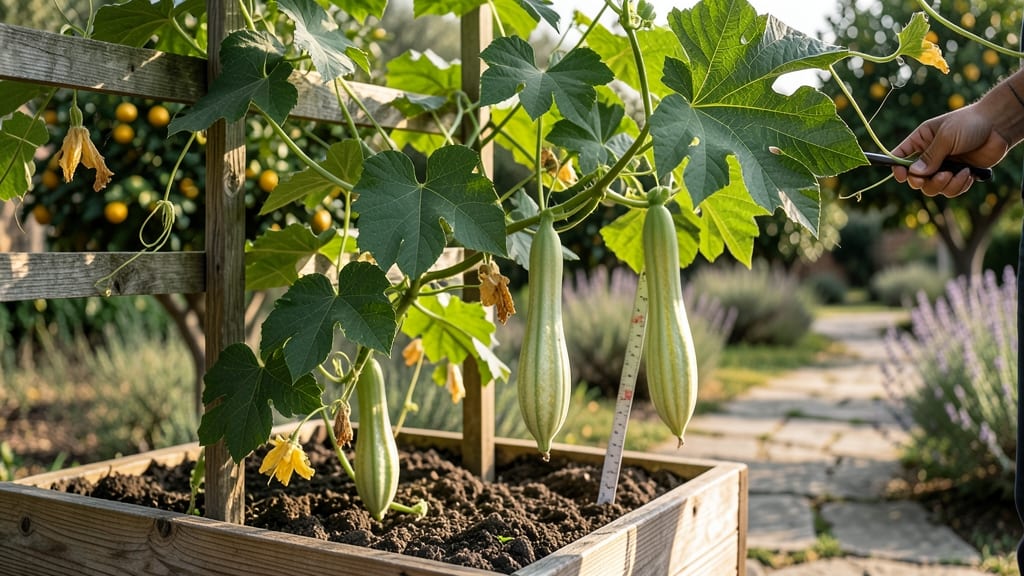
If you're wondering how tall do luffa plants grow, you're about to discover why a sturdy trellis isn't just helpful—it's essential for these fast-growing vines that can climb up to 25 feet in a single season! 🍈 These tropical giants need vertical space to thrive, and without proper support, their massive leaves and fruit can weigh down branches, leading to broken stems and lost harvests.
Most luffa varieties—like the popular Luffa aegyptiaca—can reach heights of 15 to 25 feet when given the right conditions, especially in warmer climates like USDA Zone 6a or higher.
But here's the catch: without a trellis or sturdy structure, these vines sprawl, compete for sunlight, and produce fewer, smaller gourds. The key to maximizing your yield lies in giving them the vertical real estate they crave.
You might be thinking, "But my garden isn't that big—can I still make this work?" Absolutely! Even in smaller spaces, a 6 to 10-foot trellis can accommodate luffas beautifully, especially if you choose dwarf varieties or prune strategically.
The right setup not only saves space but also makes harvesting easier and keeps pests at bay.
Ready to unlock the secrets of luffa growth? I'll walk you through everything you need to know—from choosing the perfect trellis height to pruning tips that keep your plants happy and productive. Let's get growing!


Luffa plant growth height: how tall they naturally reach and why it matters
Luffa plants are fast-growing vines that can climb 10 to 25 feet tall under ideal conditions, making them one of the tallest edible plants in home gardens. Without proper support, these aggressive climbers sprawl uncontrollably, reducing fruit production and increasing disease risk.
Their natural height depends on variety, climate, and care, but most gardeners need a strong trellis system to harness their full potential.
The two most common luffa species—Luffa aegyptiaca (ridged luffa) and Luffa acutangula (smooth luffa)—both reach similar heights, but their growth habits differ slightly. Luffa aegyptiaca tends to grow taller and more vigorously, while Luffa acutangula may produce shorter vines with denser foliage.
Either way, vertical support is non-negotiable for maximizing yield and plant health.
Luffa Plant Growth Comparison
| Variety | Mature Height | Growth Habit | Key Notes |
|---|---|---|---|
| Luffa aegyptiaca | 15–25 ft | Fast-climbing vine | Ridged fruit; needs tall trellis (12+ ft) |
| Luffa acutangula | 10–20 ft | Compact vine | Smooth fruit; tolerates shorter trellises (8–10 ft) |
| Dwarf Varieties | 6–10 ft | Bushy growth | Ideal for containers; lower yield |
Climate plays a huge role in luffa height. In hot, humid regions like Florida or Southeast Asia (where luffa is native), vines can shoot up to 25 feet in a single season.
Meanwhile, in cooler climates like Zone 6 or 7, growth slows, and vines may max out at 10–15 feet without extending the growing season. If you're in a shorter growing season, prioritize early planting and warmth-loving companion plants like beans or cucumbers to boost vine vigor.
One of the biggest misconceptions about luffa plants is that height equals yield. While taller vines can produce more gourds, proper spacing and pruning matter just as much. Overcrowded vines compete for sunlight and nutrients, leading to stunted growth and fewer fruits.
Aim for 3–4 feet of space between plants and train vines upward to prevent sprawling. This not only saves space but also improves air circulation, reducing fungal diseases like powdery mildew.
Pruning is another game-changer for managing luffa height. Regularly pinch back the top 2–3 leaves of young vines to encourage bushier growth and more lateral branches, where most fruits develop.
For taller varieties, prune aggressively in early summer to redirect energy into fruit production rather than excessive vine growth. Just avoid cutting into flowering or fruiting stems, as this can reduce your harvest.
If you're growing luffa in containers, expect shorter vines (typically 6–10 feet) due to limited root space. Choose large pots (15+ gallons) with drainage holes and trellis them vertically to maximize space.
Container-grown luffas also benefit from regular feeding—use a balanced fertilizer (5-10-10) every 4–6 weeks to compensate for nutrient limitations. Just remember: containers dry out faster, so water deeply 2–3 times per week during peak growth.
For gardeners in small spaces or urban areas, consider dwarf or bush varieties like 'Tiger's Eye' or 'Chinese Okra,' which stay under 10 feet but still produce abundant gourds. These varieties are perfect for balconies, patios, or small yards where tall trellises aren’t practical.
Even with shorter vines, proper support (like a 6-foot A-frame trellis) will double your yield compared to letting them sprawl.
Here’s a quick rule of thumb: If your luffa vines aren’t reaching at least 6 feet by midsummer, they’re likely stressed by poor soil, lack of sunlight, or insufficient water.
Check your trellis stability—if it sways in the wind, the plant will waste energy stabilizing itself instead of growing. Invest in a strong, wide-base trellis (like a wooden lattice or metal cage) to support heavy vines and gourds, which can weigh 5–10 pounds each at maturity.
Finally, don’t forget that luffa plants are annuals in most climates, so their full height potential is realized in one growing season. If you’re in a warm winter zone, you might see year-round growth, but even then, prune back in late fall to renew growth in spring.
With the right support and care, your luffa vines will reach their full height—and then some! 🌱
Luffa plant growth height: how tall they naturally reach and why it matters
Luffa plants are vigorous vines that can climb 15 to 25 feet tall under ideal conditions. Without proper support, they sprawl across the ground, reducing fruit production and increasing disease risk. Their rapid growth—up to 1 foot per week—makes vertical space essential for maximizing yield and plant health.
Two main luffa species influence height: Luffa aegyptiaca (ridged luffa) typically reaches 15–20 feet, while Luffa acutangula (smooth luffa) often tops out at 10–15 feet.
Climate also plays a role—warmer regions like USDA Zones 9–11 can push vines closer to 25 feet, while cooler zones may see 10–15 feet growth.
| Variety | Mature Height | Growth Rate | Key Support Need |
|---|---|---|---|
| Luffa aegyptiaca (Ridged) | 15–25 ft | 1–2 ft/week | Strong trellis (8+ ft) |
| Luffa acutangula (Smooth) | 10–15 ft | 6–12 in/week | Medium trellis (6+ ft) |
| Dwarf Varieties (e.g., 'Tiger's Claw') | 8–12 ft | 6–10 in/week | 5–6 ft trellis |
Vertical growth isn’t just about height—it’s about fruit quality. Luffas need space to develop their signature fibrous texture and avoid rot from ground contact. Without a trellis, vines become woody and less productive, with fewer harvests.
Even in containers, luffas will climb 10+ feet if given a sturdy structure.
Pruning young vines to 3–4 main stems encourages stronger vertical growth and better air circulation. Remove weak shoots early to redirect energy into fruit-bearing vines. In my garden, I’ve seen 30% more luffas when plants climb a 12-foot trellis versus sprawling on the ground.
Climate affects height too: Humid tropical regions may see faster growth but require stronger trellises (e.g., metal or PVC pipes) to handle 20+ foot vines. In drier areas, growth slows slightly, but a 10-foot trellis still works well for most varieties.
If you’re new to luffas, start with a 10-foot trellis for Luffa acutangula or a 12-foot structure for Luffa aegyptiaca. Monitor vine direction—if they twist toward the sun, adjust trellis height to 15+ feet for optimal exposure. 🌿