
Plants
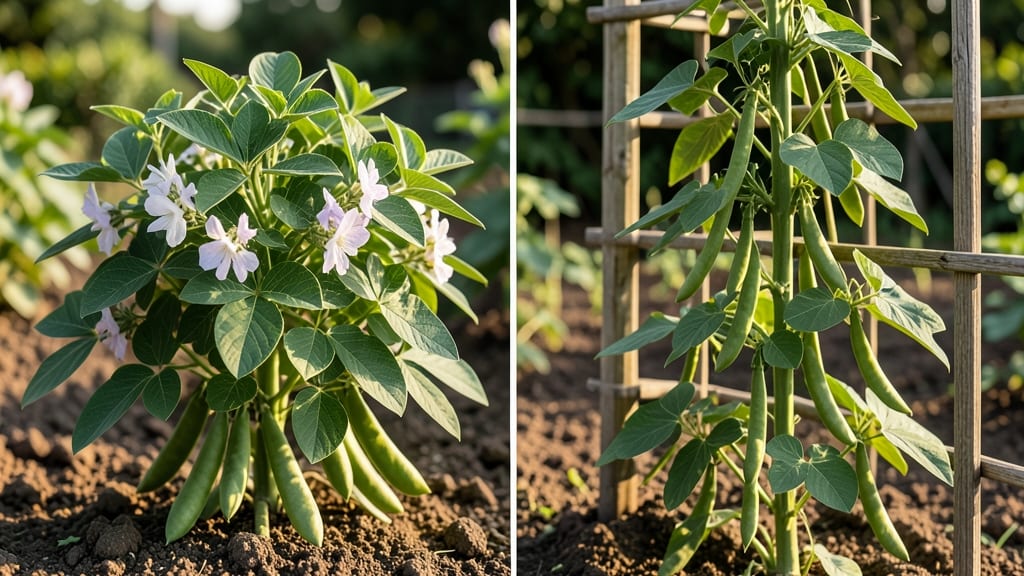
Wondering how tall do lima bean plants grow before planning your garden layout? These 🌱 climbing champions can reach surprising heights—some towering over 6 feet while others stay compact.
The difference often comes down to whether you're growing pole beans or bush varieties, and knowing this can make all the difference in your planting strategy.
If you're working with limited space, bush lima beans might be your best bet, staying between 1-3 feet tall. But if you're dreaming of a vertical garden, pole varieties can climb 8-10 feet with the right support.
This height variation isn't just about aesthetics—it directly impacts how you'll arrange your garden, what trellises you'll need, and even how much yield you can expect.
Let me show you how to choose the right variety for your space and the simple tricks to manage their growth. Whether you're a first-time gardener or a seasoned pro, these insights will help you grow healthier, happier lima beans that thrive exactly where you plant them.
From selecting dwarf varieties for containers to training tall climbers up a trellis, we'll cover everything you need to know. Ready to transform your garden into a lima bean paradise? Let's get started.


Lima bean plant heights: pole vs bush varieties compared
Lima beans come in two main growth types—pole beans and bush beans—each with distinct height ranges that impact how you plan your garden.
Understanding these differences helps you maximize space and productivity. Pole lima beans are the tallest, reaching heights of 6 to 10 feet, while bush lima beans stay shorter, typically growing 1 to 3 feet tall.
The variety you choose will determine whether you need vertical support or can plant them directly in the ground.
If you're working with limited space, bush lima beans are ideal because they grow close to the ground, making them perfect for small gardens or containers. On the other hand, pole lima beans thrive when given a trellis or sturdy stakes, allowing them to climb and save valuable ground space.
Both types require full sun and well-draining soil, but their height differences influence how you'll arrange your garden layout.
Here’s a quick comparison to help you visualize the differences:
For pole lima beans, the vertical growth means you can train them to climb a trellis or fence, which is especially useful in small gardens or urban spaces. Popular varieties like 'Fordhook' or 'Henderson' can easily reach 8 to 10 feet with proper support.
This vertical growth habit also makes them a great choice for vertical gardening, where you can maximize your harvest without taking up extra ground space.
In contrast, bush lima beans like 'Christmas' or 'Jackson Wonder' grow in a more compact form, staying under 3 feet tall. These varieties are perfect for gardeners who prefer a low-maintenance approach or have limited vertical space.
They also produce pods more uniformly, making them easier to harvest. If you're growing bush lima beans, ensure they’re spaced 18 to 24 inches apart to allow for airflow and reduce disease risk.
One key factor to consider is maturity time. While both types take roughly 80 to 100 days to mature, pole lima beans may produce pods over a longer season because of their climbing nature.
Bush varieties, however, often yield all at once, which can be a trade-off depending on your harvesting preferences. If you want a steady supply of pods, pole lima beans might be the better choice.
When planning your garden, think about how these height differences will affect your layout. For example, if you're growing pole lima beans, allocate space near a fence or trellis to support their height.
If you're working with a container garden, bush varieties are your best bet because they won’t outgrow their pots. Always check the specific variety’s height requirements, as some dwarf or semi-dwarf options can bridge the gap between the two types.
Another consideration is pruning and maintenance. Pole lima beans may require occasional trimming to encourage bushier growth and better pod production, while bush varieties generally need minimal intervention. Both types benefit from regular watering and mulching to keep the soil moist and weeds at bay.
With the right care, you can enjoy a bountiful harvest regardless of whether you choose tall or short-growing lima beans.
If you're new to growing lima beans, start with a mix of both types to see which one suits your garden best. Pole lima beans are great for adventurous gardeners who love vertical gardening, while bush lima beans are perfect for beginners or those with limited space.
Either way, knowing their height ranges will help you create a thriving and organized garden layout.
Ready to get started? Choose your variety based on your space, and don’t forget to provide the support or spacing they need for optimal growth! 🌱
Lima bean plant heights: pole vs bush varieties compared
When planning your lima bean garden, understanding the height differences between varieties is key to maximizing your space. Pole lima beans climb like vines, reaching 6 to 10 feet tall, while bush lima beans stay compact at 1 to 3 feet.
This distinction isn't just about aesthetics—it directly impacts your garden layout and support needs.
Pole varieties thrive vertically, making them perfect for small gardens or container growing with proper trellising. Bush varieties, on the other hand, sprawl outward, ideal for ground-level planting in larger plots. Your choice depends on available space and whether you prefer a vertical garden or a ground cover approach.
| Variety | Height Range | Growth Habit | Support Needed | Best For |
|---|---|---|---|---|
| Pole Lima Beans | 6–10 ft | Climbing vines | Trellis or stakes | Vertical gardens, small spaces |
| Bush Lima Beans | 1–3 ft | Compact bushes | None (ground-level) | Large plots, ground cover |
For pole lima beans, a sturdy trellis system is essential to support their weight. Without support, vines can flop and become tangled, reducing airflow and increasing disease risk. Bush varieties, meanwhile, require minimal support but benefit from mulching to retain moisture and suppress weeds.
If you're working with limited space, consider dwarf pole varieties like 'Fordhook 242' or 'Henderson', which max out around 5 feet. These are ideal for balcony gardens or raised beds with a small trellis.
For larger gardens, traditional pole varieties like 'Christmas' or 'King of the Garden' can reach 10 feet with proper care.
Another factor to consider is harvest accessibility. Tall pole varieties may require a ladder for easy picking, while bush varieties keep pods at waist height. If you have physical limitations, bush varieties could be a more practical choice.
Regardless of variety, all lima beans benefit from well-draining soil and consistent moisture. Overcrowding can stunt growth, so follow spacing guidelines: 4–6 inches apart for bush varieties and 6–8 inches apart for pole beans. Proper spacing ensures healthy airflow and reduces disease pressure.
🌱