
How To
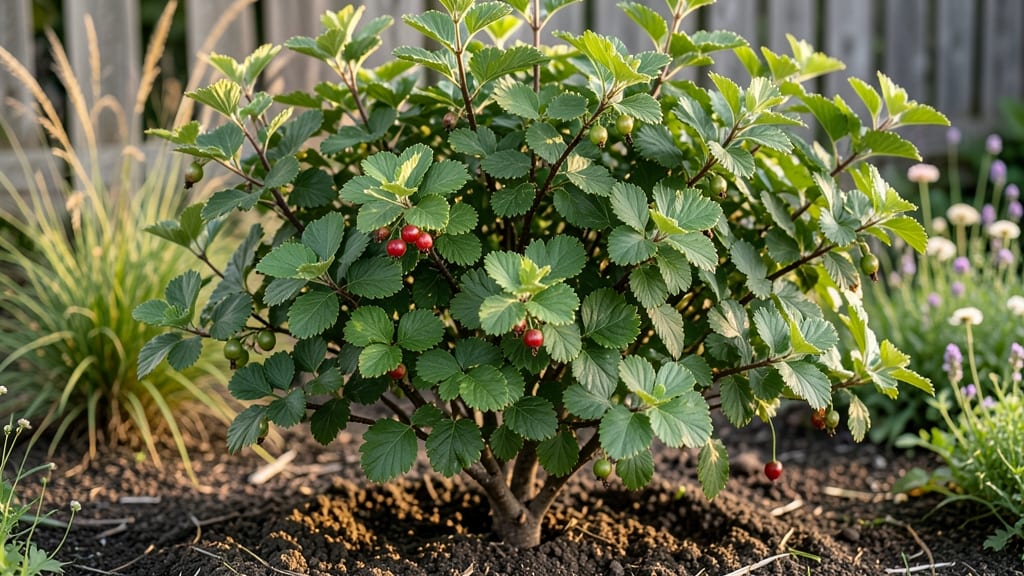
If you're wondering how tall gooseberry bushes grow, the answer depends on the variety you choose—and how you prune them. These 🫐 gooseberry bushes can range from compact 3-foot shrubs to towering 6-foot giants, making them perfect for everything from small gardens to larger landscapes.
In USDA Zone 6a, where spring planting is ideal, most gooseberry bushes reach their mature height within 2-3 years. But here's the secret: with the right pruning techniques, you can keep them at a manageable size or even encourage them to grow taller for better harvests.
Whether you're working with a dwarf variety or a standard bush, spacing and pruning play a huge role in their growth. Plant them 4-5 feet apart for optimal airflow, and learn when to trim to control their height while maximizing fruit production.
Ready to take control of your gooseberry bush's growth? I'll show you exactly how to prune for the perfect height—whether you want a tidy, compact bush or a lush, towering plant that fills your garden with flavor.


Gooseberry bush height by variety: compact vs. towering options
Gooseberry bushes aren't one-size-fits-all when it comes to height. The variety you choose determines whether you'll end up with a compact 3-foot shrub or a towering 6-foot giant.
Understanding these differences helps you plan your garden layout and spacing from day one. Let's explore the most popular types and their mature heights.
Dwarf varieties like 'Pixwell' and 'Careless' stay between 3-4 feet tall, making them perfect for small gardens or container growing. These varieties also produce abundant fruit despite their smaller stature. If space is limited, these are my top recommendations for gooseberry enthusiasts.
Standard varieties such as 'Invicta' and 'Hinnonmaki Red' typically reach 5-6 feet tall at maturity. These are the classic gooseberry bushes you might envision when picturing a traditional English cottage garden. Their height makes them ideal for hedgerows or as focal points in larger garden spaces.
Sprawling varieties like 'Levanto' can grow even taller—sometimes exceeding 6 feet—and require more space to thrive. These varieties often produce larger berries but need proper training to manage their vigorous growth.
If you love the idea of a lush, abundant harvest but have room to accommodate their size, these are excellent choices.
| Variety | Mature Height | Spacing Needs | Best For |
|---|---|---|---|
| Pixwell | 3-4 ft | 3-4 ft apart | Small gardens, containers |
| Careless | 3-4 ft | 3-4 ft apart | Urban gardens, patios |
| Invicta | 5-6 ft | 5-6 ft apart | Traditional gardens, hedgerows |
| Hinnonmaki Red | 5-6 ft | 5-6 ft apart | Large gardens, fruit-focused spaces |
| Levanto | 6+ ft | 6-7 ft apart | Rural gardens, large properties |
When planning your garden, consider not just the height of the gooseberry bush but also its spreading habit. Many varieties can grow just as wide as they do tall, so give them plenty of room to avoid overcrowding.
For example, a 5-foot-tall bush might spread 4-5 feet wide, requiring at least 6 feet of space in all directions.
If you're growing gooseberries in containers, choose dwarf varieties and use large pots (at least 18 inches wide) to accommodate their root systems. Container-growing also allows you to control the bush's height more effectively through regular pruning and training.
For those with limited space, espalier training is a fantastic technique. This method involves training the bush to grow flat against a wall or fence, reducing its footprint by up to 70% while maintaining fruit production. It’s a creative solution that works beautifully for both dwarf and standard varieties.
Remember, the height of your gooseberry bush isn't set in stone. With proper pruning techniques and care, you can influence its growth pattern to fit your garden's needs. Whether you're aiming for a compact bush or a towering specimen, understanding your variety's potential is the first step to success.
Next, we'll dive into pruning secrets to naturally control your gooseberry bush's height and keep it healthy and productive year after year. You'll learn when to prune, which tools to use, and how to shape your bush for maximum fruit yield.
Gooseberry bush height by variety: compact vs. towering options
When planning your garden layout, knowing how tall gooseberry bushes grow helps you choose the right variety for your space. Most mature gooseberry bushes reach 5-6 feet tall, but some dwarf varieties stay under 3 feet.
The key difference lies in the cultivar selection—some are bred for compact growth, while others sprawl naturally. For example, the 'Pixwell' variety typically grows 4-5 feet, making it ideal for smaller gardens.
If you're working with limited space, consider dwarf gooseberry varieties like 'Careless', which maxes out around 2-3 feet. These are perfect for container gardening or tight urban plots.
On the other hand, standard varieties like 'Invicta' can reach 6 feet or taller, requiring more room and regular pruning to maintain shape. Always check the spacing requirements on seed packets or plant tags—most recommend 4-5 feet between bushes for optimal airflow.
| Variety | Mature Height | Spacing Needs | Best For |
|---|---|---|---|
| Pixwell | 4-5 ft | 4 ft apart | Medium gardens |
| Invicta | 5-6 ft | 5 ft apart | Large spaces |
| Careless | 2-3 ft | 3 ft apart | Containers/small plots |
| Hinnonmäki Red | 6+ ft | 6 ft apart | Rural gardens |
Another factor influencing gooseberry bush height is the training method you use. If you allow branches to grow freely, expect taller, bushier plants. However, trellising or espalier techniques can guide growth vertically, reducing the overall footprint while increasing fruit accessibility.
For example, training a 'Pixwell' bush along a trellis can keep it under 4 feet tall while maximizing yield.
Climate also plays a role in height—cooler regions may see slightly slower growth, while warmer climates can push bushes to reach their maximum height faster. Always monitor your plants' growth patterns and adjust pruning accordingly.
For instance, if your 'Invicta' bush starts exceeding 6 feet, prune back the tallest stems by one-third in early spring to encourage bushier growth.
Pro tip: If you're growing gooseberries in containers, choose dwarf varieties and prune aggressively to keep them under 3 feet. Use well-draining soil and a 10-gallon pot minimum to support healthy root development.
Regular harvesting also encourages compact growth, as removing fruit reduces the plant's energy output toward vertical expansion.
Remember, gooseberry bush height isn't set in stone—with the right variety and care, you can shape your bushes to fit your garden perfectly. Start with the right cultivar, give them proper spacing, and prune regularly to maintain your desired height and shape. 🫐