
How To
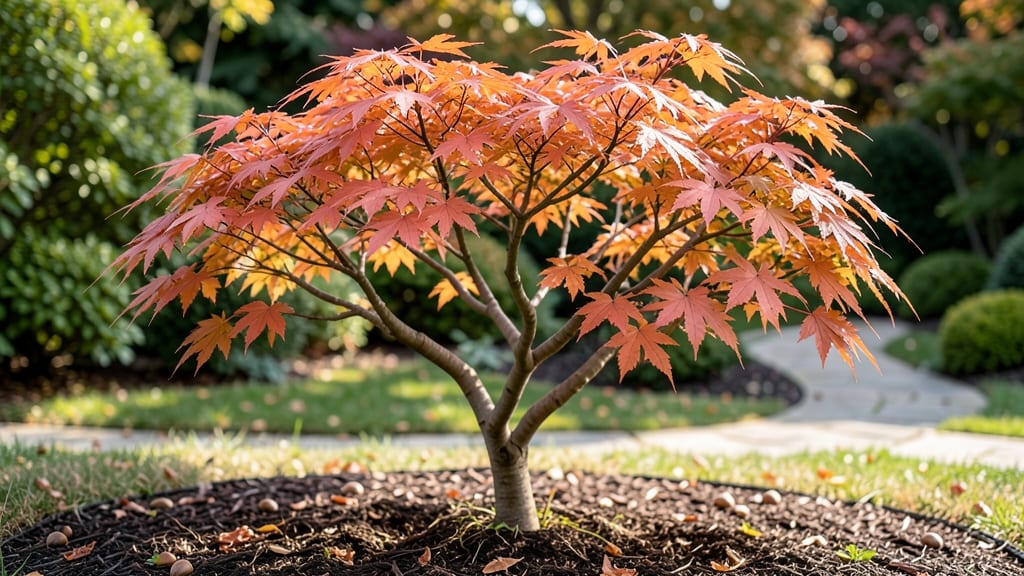
If you're wondering how tall do coral bark maples grow, you're not alone—many gardeners hesitate before planting this stunning 🌳 because of its potential size. These trees can reach 15 to 30 feet at maturity, making them a medium-sized addition to your landscape that still delivers dramatic winter color.
The good news? Their growth rate is slower than many other maples, giving you years to adjust your space before they fully mature. With the right care—like proper sunlight and occasional pruning—you can even influence their height to fit your yard perfectly.
Whether you're planting in USDA Zone 6a or another suitable climate, understanding their growth habits helps you plan for long-term beauty. Let’s break down what to expect and how to keep your coral bark maple thriving at the ideal height for your space.
From sunlight needs to pruning tips, I’ll share everything you need to know to ensure your tree grows strong and stays within your desired height range. Ready to get started?


Coral bark maple mature heights by variety: what to expect
Coral bark maples (Acer palmatum varieties) are prized for their stunning coral-red bark that emerges in winter, but their mature height varies significantly depending on the specific cultivar. If you're planning your landscape design, knowing these dimensions will help you choose the perfect variety for your space.
Most coral bark maples reach 15 to 30 feet tall at maturity, but some stay shorter or grow taller—let’s break it down by popular types.
For example, the classic 'Sango-kaku' (also called 'Coral Bark Maple') typically grows 20 to 25 feet tall with a spreading canopy of 15 to 20 feet. This makes it ideal for medium to large yards, where it can become a stunning focal point without overwhelming smaller spaces.
Meanwhile, 'Bloodgood'—a close relative—can reach 25 to 30 feet tall, making it better suited for rural properties or parks where extra height is less of a concern.
If you're working with limited space, consider dwarf varieties like 'Coral Cascade', which maxes out around 10 to 15 feet tall and grows in a weeping habit. This makes it perfect for urban gardens, patios, or container planting where height is a priority.
Always check the nursery tag or ask the grower, as some "dwarf" labels can be misleading—some may still reach 15 feet or more over time.
| Variety | Mature Height | Canopy Spread | Best For |
|---|---|---|---|
| 'Sango-kaku' | 20–25 ft | 15–20 ft | Medium yards, focal points |
| 'Bloodgood' | 25–30 ft | 20–25 ft | Large properties, parks |
| 'Coral Cascade' | 10–15 ft | 10–12 ft | Urban gardens, containers |
| 'Orangeola' | 15–20 ft | 12–15 ft | Small yards, borders |
When planning your planting location, remember that coral bark maples develop a wide, rounded canopy that can spread nearly as wide as they grow tall.
This means you’ll need at least 15 to 20 feet of clearance around the tree for mature branches, especially for varieties like 'Sango-kaku' or 'Bloodgood'. If you’re planting near a house, driveway, or sidewalk, opt for the dwarf 'Coral Cascade' to avoid future pruning headaches or root conflicts.
Another factor influencing height is growth rate. Coral bark maples are moderate growers, adding about 1 to 2 feet per year in ideal conditions.
In the first 3 years, you’ll see the most rapid growth—expect 2 to 3 feet in year one, 5 to 7 feet by year two, and 8 to 12 feet by year three.
After that, growth slows as the tree matures, so patience is key if you’re waiting for that showstopping coral bark to emerge in winter.
If you’re unsure which variety to choose, consider your long-term goals. For instant impact in a larger yard, 'Bloodgood' delivers taller stature and deeper red bark. For smaller spaces, 'Orangeola' offers a compact yet vibrant option.
And if you love the idea of a weeping, cascading tree, 'Coral Cascade' is a graceful alternative that won’t overpower your landscape. Always measure your space before buying—overestimating height can lead to regrets down the road!
Pro tip: Buy from a reputable nursery that specializes in Japanese maples, as mislabeled plants can lead to unexpected growth patterns. Ask about the specific clone you’re purchasing, as even within the same variety, slight height differences can occur based on growing conditions and rootstock.
Your local extension office can also provide insights tailored to your USDA hardiness zone (most coral bark maples thrive in zones 5–8).
Finally, don’t forget that pruning and care can influence final height. While coral bark maples are naturally slow to respond to heavy pruning, strategic cuts in late winter or early spring can encourage fuller growth or keep the tree slightly shorter.
We’ll dive deeper into pruning techniques in the next section—stay tuned for tips to shape your tree without stunting its natural beauty! 🌳
How sunlight exposure affects coral bark maple growth and height
Sunlight isn’t just about how bright your garden is—it directly impacts how tall your coral bark maple grows and how vibrant its coral-red bark becomes. These trees thrive in partial shade but can adapt to full sun, though their growth patterns and bark intensity shift dramatically based on light exposure.
In full sun conditions, coral bark maples grow taller and faster—often reaching their mature height of 20-30 feet more quickly. However, their bark may develop less vibrant coloration due to increased stress.
If you’re in an urban yard with limited shade, expect your tree to grow toward the upper end of the height spectrum.
Here’s how sunlight affects growth:
🌞 Full Sun Exposure
Pros:
- Faster height growth (up to 2-3 ft/year)
- Stronger branches for structural support
- Easier to establish in dry climates
Cons:
- Bark color fades to peach or light orange
- Higher water needs (drought stress risk)
- Leaf scorch possible in extreme heat
🌿 Partial Shade (Ideal)
Pros:
- Vibrant coral-red bark all year
- Slower, controlled growth (1-2 ft/year)
- Lower water requirements
Cons:
- Takes longer to reach mature height
- Weaker branches if shade is too dense
For urban landscapes with afternoon shade, aim for morning sun and afternoon shade—this balance keeps growth steady while preserving that showstopping coral bark. If your tree is in full sun all day, mulch heavily and water deeply 2-3 times per week to offset stress.
In shadier climates (like under large trees), growth slows, but the bark’s color remains intense and true to variety. If you’re planting near a north-facing wall or under mature oaks, expect heights to max out at 15-20 feet unless you prune aggressively.
Pro tip: Monitor leaf color—yellowing leaves in full sun signal heat stress, while pale green in deep shade means limited photosynthesis. Adjust pruning or light exposure accordingly to keep your tree healthy and happy at its ideal height. 🌿