
Plants
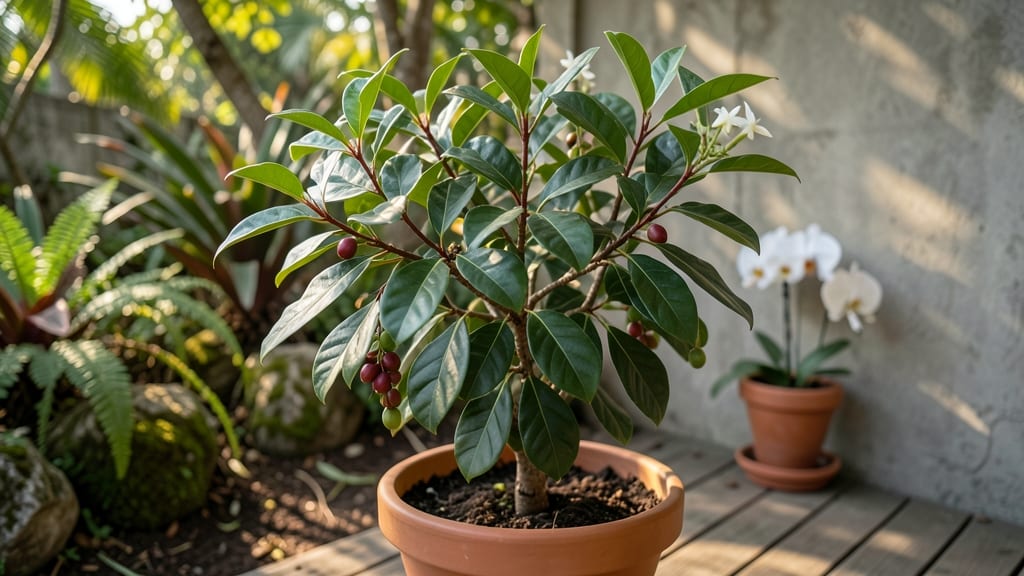
Ever wondered how tall do coffee plants grow and whether they’ll fit in your backyard or need a dedicated corner of your garden? ☕ The answer might surprise you—these tropical beauties can range from compact 6-foot shrubs to towering 30-foot trees, depending on the variety and growing conditions.
If you’re dreaming of homegrown coffee but worried about space, don’t fret. Some varieties, like dwarf Arabica, stay manageable in containers, while others thrive as shade trees in larger gardens. The key lies in understanding your climate, pruning habits, and whether you’re growing for beans or just the lush foliage.
In this guide, I’ll break down the height differences between popular coffee plants—from Arabica’s elegant 10-15 feet to Robusta’s robust 20-30 feet—and share tips to keep them at your ideal size. Whether you’re a backyard gardener or a commercial grower, knowing these details will help you plan for success.
Ready to transform your space into a coffee oasis? Let’s dive into the heights, care needs, and secrets to managing these tropical giants—no matter how big (or small) you want them to be.


Coffee plant height by variety: from dwarf to towering trees
Coffee plants aren’t one-size-fits-all—their mature heights can range from 6 feet to a towering 30 feet, depending on the variety and growing conditions.
If you’re envisioning a backyard coffee grove, you’ll need to choose the right cultivar to match your space. Arabica coffee plants (like Bourbon or Typica) typically stay between 10-15 feet, while Robusta varieties (such as Catimor) can reach 20-30 feet in ideal tropical climates.
The key to managing height lies in understanding the growth habits of each type. Dwarf varieties, bred specifically for containers, max out at 6-10 feet—perfect for patios or greenhouses. Meanwhile, traditional shade-grown coffee trees in tropical farms often grow wild, reaching their full 20-30 foot potential.
Your climate, pruning practices, and even soil quality play a huge role in how tall your coffee plant will become.
For home gardeners, dwarf varieties like Coffea arabica 'Nana' are game-changers. These compact plants thrive in 5-gallon pots and produce cherries just like their larger cousins—without the space requirements.
Even standard varieties can be pruned to stay under 10 feet if you’re willing to put in a little extra effort during the growing season.
🌱 Coffee Plant Height Comparison
| Variety | Mature Height (Outdoors) | Ideal Growing Conditions | Best For |
|---|---|---|---|
| Dwarf Arabica ('Nana') | 6–10 ft | Containers, partial shade | Patios, greenhouses |
| Bourbon (Arabica) | 10–15 ft | Full sun, tropical climates | Home gardens, small farms |
| Catimor (Robusta) | 15–25 ft | Warm, humid, full sun | Commercial farms, large estates |
| Geisha (Arabica) | 12–18 ft | High elevation, partial shade | Specialty coffee growers |
| Wild-Type (Unpruned) | 20–30 ft | Tropical rainforests, no pruning | Wild growth, shade trees |
💡 Pro Tip: Prune young plants to encourage bushier growth and control height naturally.
If you’re growing coffee plants for ornamental purposes, height isn’t the only factor—leaf shape, flower fragrance, and even the glossy dark green foliage make them stunning additions to tropical gardens.
Varieties like Geisha are prized for their delicate white flowers and fragrant aroma, while Maragogype (a giant coffee plant) can reach 20 feet with large, showy leaves.
For commercial growers, taller varieties like Coffea canephora (Robusta) are often preferred because they produce more beans per plant. However, their aggressive growth means they’ll need regular pruning and spacious planting to avoid shading out neighboring plants.
In contrast, dwarf varieties are ideal for urban farming or small-scale production, as they yield high-quality beans without the space demands.
One common misconception is that coffee plants always need to be tall to produce good beans. In reality, pruned bushes often yield higher-quality cherries because they receive better airflow and sunlight penetration.
This is why many shade-grown coffee farms keep their plants between 10-15 feet—tall enough for productivity but manageable for harvesters.
Your climate zone will also dictate how tall your coffee plant grows. In USDA Zones 10-12, where frost is rare, coffee plants can grow unrestricted if left unpruned. But in cooler microclimates or container gardens, growth will naturally slow, keeping plants more compact.
If you’re in a subtropical zone, consider winter protection (like moving pots indoors) to prevent stunted growth.
For first-time growers, starting with a dwarf variety in a 5-gallon pot is the safest bet. These plants mature quickly and give you a chance to learn the basics of coffee plant care without dealing with a 20-foot tree.
Once you’re comfortable, you can experiment with taller varieties or even grafting to create your own unique coffee plant.
Remember, height isn’t everything—healthy growth, proper pruning, and consistent care will determine whether your coffee plant thrives or struggles. Whether you’re aiming for a compact patio plant or a towering shade tree, choosing the right variety and giving it the right conditions is the first step to success.
Coffee plant height by variety: from dwarf to towering trees
Coffee plants aren’t one-size-fits-all—their heights can range from compact container-friendly bushes to 30-foot-tall jungle giants, depending on the variety and growing conditions. Coffea arabica (the prized Arabica coffee) typically grows 10–15 feet tall outdoors, while Coffea canephora (Robusta) can reach 20–30 feet in ideal tropical climates.
Even indoors, these plants stretch toward the light, often outgrowing their pots if not managed properly.
If you’re growing coffee for home brewing, dwarf varieties like 'Catuai' or 'Bourbon Amarelo' stay between 6–10 feet, making them perfect for patios or large containers. Meanwhile, wild-type or shade-grown coffee trees can dwarf your backyard—imagine a 15–30-foot canopy casting shade over your entire garden!
Understanding these differences helps you plan for space, pruning, and even structural support.
Height isn’t just about aesthetics—it directly impacts yield, sunlight exposure, and maintenance. Taller varieties like Robusta produce more beans per plant but require stronger structures (like stakes or trellises) to support their weight.
Meanwhile, dwarf varieties are ideal for urban gardeners or those with limited space, though they may produce fewer cherries compared to their towering cousins.
Climate plays a huge role too. In USDA Zones 10–12, coffee plants thrive outdoors year-round, reaching their full height potential. But in cooler zones, even dwarf varieties grow slower indoors, often maxing out at 6–8 feet without supplemental grow lights.
If you’re in a container, root-bound plants will also grow taller and leggier as they stretch for light—a classic sign they need repotting!
For ornamental purposes, many gardeners prune coffee plants to create multi-stemmed shrubs or even bonsai-style trees. With strategic pruning, you can keep a standard Arabica at a manageable 6–8 feet while still enjoying its glossy leaves and occasional coffee cherries.
Just remember: the more you prune, the more you’ll need to fertilize and train new growth to maintain productivity.
If you’re growing coffee for commercial or large-scale harvests, taller varieties are worth the space—they produce more beans per square foot. But for home gardeners, dwarf or semi-dwarf varieties offer the perfect balance of manageable size and coffee rewards.
Start with a 5–10 gallon pot for dwarf varieties, and upgrade to 15+ gallons for standard bushes to give roots room to grow without stunting height.
No matter the variety, always monitor growth direction—coffee plants tend to grow upward first, then fill out laterally. This means early pruning (even as a seedling) can encourage a bushier, more compact shape from the start.
And if you’re growing multiple plants, space them 8–10 feet apart to avoid competition for sunlight and nutrients.