
Plants
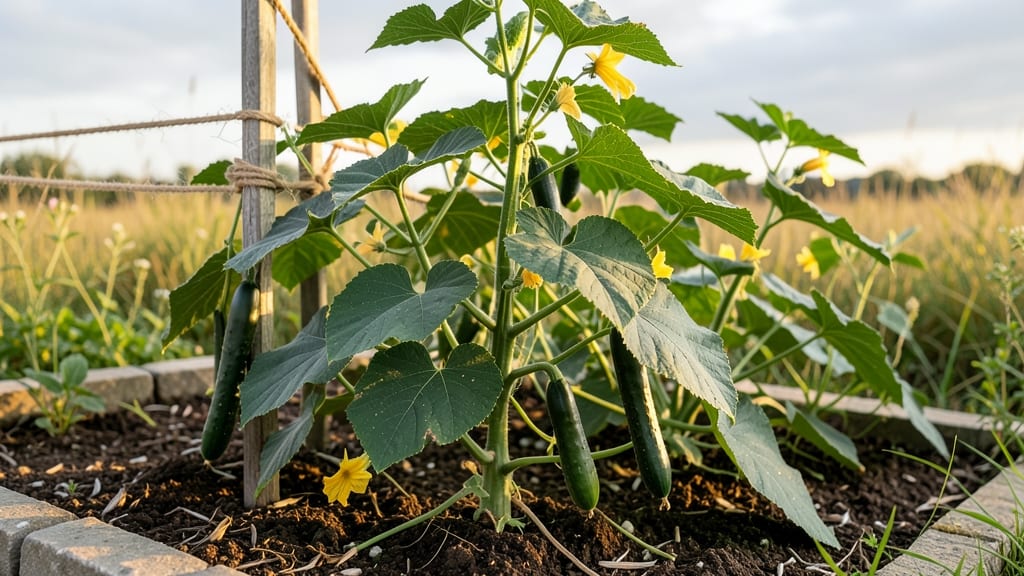
Burpless cucumber plant height guide: compact varieties explained
Burpless cucumbers are a game-changer for gardeners with limited space, but their mature height can vary dramatically depending on the variety and growing conditions.
Most burpless cucumbers reach between 3 to 6 feet when grown as bush types, while traditional vining varieties can stretch up to 10 feet or more without proper support. Understanding these differences helps you choose the perfect variety for your container garden, raised beds, or vertical trellis.
The key to managing height lies in the plant's growth habit. Bush burpless cucumbers stay compact, making them ideal for small spaces, while vining types require trellises or stakes to control their sprawl.
Even within burpless varieties, some like 'Diva' stay under 4 feet, while others like 'Sweet Success' can reach 6 feet without training. Let’s break down what you need to know to plan your garden effectively.
| Variety Type | Mature Height | Growth Habit | Best For |
|---|---|---|---|
| Bush Burpless | 3–5 ft | Compact, no vines | Containers, small gardens |
| Semi-Dwarf Burpless | 4–6 ft | Moderate vines, needs support | Raised beds, trellises |
| Vining Burpless | 6–10+ ft | Long vines, requires trellis | Vertical gardens, large spaces |
If you're growing burpless cucumbers in containers, opt for bush varieties like 'Bush Champion', which typically stay under 4 feet. These are perfect for balconies or patios where space is tight.
For raised beds, semi-dwarf varieties like 'Sweet Success' (around 5 feet) work well, especially when trained with a small trellis. Vining types, such as 'Straight Eight', can reach 8–10 feet but thrive when guided upward to save ground space.
Several factors influence how tall your burpless cucumbers grow. Sunlight exposure plays a critical role—plants in full sun (6–8 hours daily) grow taller and produce more vigorously than those in partial shade. Soil fertility also impacts height; nutrient-rich soil encourages faster growth, while poor soil can stunt plants.
Additionally, watering consistency affects vine length—underwatering stresses plants, leading to weaker, shorter growth, while overwatering can cause leggy, sprawling vines.
For gardeners in small spaces, choosing a bush burpless variety is your best bet. These varieties are bred to stay compact, eliminating the need for trellises or stakes.
Even if you select a vining type, using a vertical trellis or cucumber cage can keep the plant’s height manageable while maximizing your harvest. A well-supported vine can produce just as much as a sprawling plant but takes up far less ground space.
Pruning is another way to control height naturally. Regularly pinch off side shoots (suckers) to encourage upward growth rather than bushiness. This technique works especially well for semi-dwarf varieties, helping them stay within a 4–5 foot range.
Avoid heavy pruning, though, as it can reduce yield. Instead, focus on maintaining a balance between height control and fruit production.
When planning your garden layout, consider the mature height of your chosen variety alongside your space constraints. For example, if you have a 5-foot-tall trellis, a 6-foot vining burpless cucumber will work perfectly, but a 10-foot variety will require additional support or risk overcrowding.
Always leave at least 12–18 inches of space between plants to ensure airflow and reduce disease risk.
One common mistake gardeners make is assuming all burpless cucumbers are low-growing. While bush types are indeed compact, many burpless varieties still vine aggressively if left unchecked. Always check the seed packet or plant tag for height ranges and growth habits before purchasing.
For example, 'Diva' is a true bush type, while 'Sweet Granby' is a semi-dwarf that benefits from trellising.
To summarize, burpless cucumbers offer flexibility for gardeners of all space levels. Bush types (3–5 ft) are ideal for containers, semi-dwarfs (4–6 ft) suit raised beds, and vining types (6–10+ ft) thrive with vertical support.
By choosing the right variety and providing proper care, you can enjoy a bountiful harvest without sacrificing garden space. 🥒
How to train burpless cucumbers to stay compact: pruning and support tips
Burpless cucumbers can grow 6–10 feet tall without proper support, but with the right techniques, you can keep them 3–5 feet tall—perfect for small gardens or containers. The key lies in pruning and support structures that encourage upward growth while controlling sprawl.
Start by installing a trellis or cage as soon as you plant your seedlings. This gives vines something to climb immediately, preventing them from spreading horizontally.
For bush varieties like 'Diva', a low wire trellis (3–4 feet tall) works well, while vining types need a 6-foot tall structure.
Prune your burpless cucumbers regularly to control height and improve airflow. Remove any suckers (side shoots) that grow in the leaf axils—these compete with the main vine for nutrients and can make the plant sprawl uncontrollably.
Focus on keeping just 1–2 main vines per plant for the best yield.
For container gardening, choose bush varieties like 'Sweet Success' and use a 5-gallon pot with a small trellis or tomato cage. Place containers in full sun and water consistently, as root-bound plants grow slower and stay more compact.
Avoid overcrowding—give each plant at least 12 inches of space.
Watch for overgrowth signs, like vines stretching beyond your trellis or leaves touching the ground. This usually means your plant needs more support or pruning. If you notice yellowing leaves at the base, it could signal root stress from poor drainage or overwatering—both of which stunt growth.
Harvest frequently to encourage bushier growth. Picking cucumbers every 2–3 days signals the plant to produce more fruit instead of focusing on height. Save seeds from your healthiest cucumbers for next year’s space-saving plants!