
Vegetables
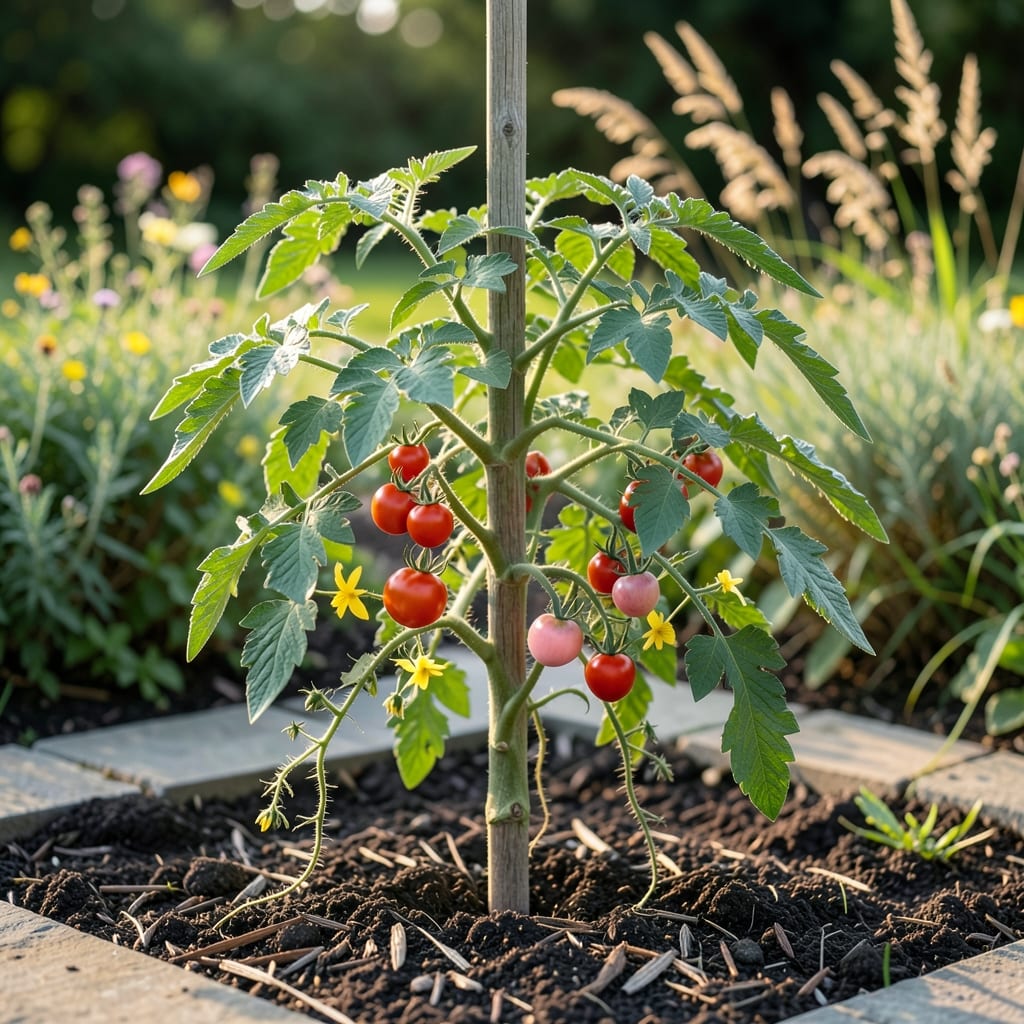
If you're wondering how tall do Big Boy tomato plants grow, you’re about to discover these giants of the garden can reach heights that’ll make your trellis look like a playground. These indeterminate varieties don’t stop growing until frost hits, often stretching 6 to 10 feet tall with the right care—and that’s not just impressive, it’s a game-changer for your harvest.
Picture this: a sturdy 🍅 vine laden with beefsteak-sized tomatoes, climbing higher than most gardeners’ expectations. But here’s the catch—without proper support, those heavy vines can snap under their own weight. That’s why understanding their growth habits is the key to maximizing yield without turning your garden into a tangled mess.
Whether you’re a first-time gardener or a seasoned green thumb, knowing when to prune, stake, or trellis makes all the difference. We’ll break down exactly how to manage their towering growth, from spacing plants 18–24 inches apart to choosing the right support system for your Zone 6a climate.
Ready to turn your garden into a tomato powerhouse? Let’s dive into the secrets of keeping these giants happy—and your harvests bountiful.

Big Boy tomato plant height: exact growth range & space requirements
When you plant Big Boy tomato plants, prepare for a 6 to 10-foot vertical adventure—these indeterminate varieties keep growing until frost stops them. Unlike their determinate cousins, which bush out and stop, Big Boys climb like jungle vines, needing strong support to prevent sprawl and disease.
Their first-year growth typically reaches 4 to 6 feet, but with ideal conditions—full sun (6+ hours daily) and rich, well-draining soil—they can easily top 8 feet by harvest time. In warmer climates (Zones 8-10), expect even taller vines due to extended growing seasons.
Proper spacing (18–24 inches apart) is critical—crowded plants compete for nutrients, leading to weaker vines and smaller fruit. I’ve seen gardeners squeeze them too close, only to watch their Big Boy tomatoes struggle under the weight of heavy vines and fruit.
| Growth Stage | Height Range | Key Notes |
|---|---|---|
| Seedling (4–6 weeks) | 6–12 inches | Transplant after true leaves form. |
| Early Season (6–8 weeks) | 3–5 feet | Install supports early to avoid root disturbance. |
| Peak Growth (Summer) | 6–10 feet | Prune suckers weekly to direct energy to fruit. |
| Late Season (Fall) | 8–12 feet (if frost delayed) | Harvest before first frost to avoid blossom-end rot. |
🌱 Pro Tip: Use a 5-foot trellis as a baseline—Big Boys will outgrow it!
In cooler climates (Zones 4–6), growth slows in early spring, so I recommend starting seeds indoors 6–8 weeks before last frost to give them a head start. A black plastic mulch can warm soil faster, helping vines reach their full potential sooner.
One common mistake? Assuming Big Boy tomatoes will stay compact. I’ve seen gardeners plant them 12 inches apart in hopes of saving space—only to watch vines tangle and fruit rot from poor airflow. 18–24 inches apart is non-negotiable for healthy growth.
For container growing, choose large pots (15+ gallons) and train vines vertically with cages or stakes. I’ve successfully grown Big Boys in 5-gallon buckets, but yields drop significantly without proper root space.
Watch for seasonal growth spurts: Big Boys grow fastest during June–August when temperatures are ideal (70–85°F). If nights dip below 55°F, growth stalls—so use row covers in early spring if needed.
Finally, pruning is your secret weapon. Remove suckers (side shoots) weekly to focus energy on main stems and fruit. I prune mine to 2–3 main stems, which keeps vines manageable while maximizing yield.
With the right care, your Big Boy tomatoes won’t just reach the sky—they’ll reward you with pound-after-pound of beefsteak-sized fruit. Just remember: taller doesn’t mean better if you skip the supports!
Big Boy tomato plant height: exact growth range & space requirements
Big Boy tomato plants are indeterminate giants that keep growing until frost stops them—typically reaching 6 to 10 feet tall with proper care. Unlike their determinate cousins, these vines don’t self-limit, so they’ll climb higher if given the chance (and support!). In my Zone 6a garden, I’ve seen them hit 8 feet by late summer, especially when trained on a sturdy trellis.
Their vine length isn’t just about height—it’s also about horizontal spread. Without pruning, a single plant can sprawl 3 to 5 feet wide, which is why spacing matters. Crowding invites disease risks like blight and makes harvesting a nightmare. The golden rule? Plant them 18–24 inches apart in rows 3 feet apart for airflow and sunlight access.
Here’s the kicker: their growth isn’t linear. Early on, they focus on leafy greens, but once temperatures warm (after May 15 in most regions), they shift into fruit production mode. That’s when you’ll see those beefsteak-sized tomatoes hanging heavy—literally. Without support, the vines can snap under the weight, so don’t skip the stakes!
| Growth Stage | Height Range | Key Notes |
|---|---|---|
| Seedling | 6–12 inches | Transplant when 4–6 inches tall. |
| Early Summer | 3–5 feet | Focus on support early to avoid flopping. |
| Peak Season | 6–10 feet | Prune suckers to direct energy to fruit. |
| Late Season | 8–12 feet (if frost delayed) | Harvest before first frost (Zone 6a: ~October 15). |
Regional climate plays a huge role in their growth. In warmer zones (7b+), Big Boys can grow 20–30% taller thanks to longer frost-free seasons. But in cooler zones (5a–6a), they’ll focus more on fruit production than vertical growth. My neighbor in Zone 5 still gets 5-foot vines with massive tomatoes—proof that even shorter plants can deliver big yields!
Pro tip: If you’re short on space, prune aggressively to limit height while boosting fruit size. I’ve seen Big Boys trained to 4 feet tall with pruning every 2 weeks, producing fewer but larger tomatoes. Just remember—less height means less total fruit, so balance is key.
For container gardening, these plants need 5-gallon pots minimum and a strong trellis. I’ve had success with bamboo stakes tied to a wire trellis, but avoid flimsy cages—they’ll collapse under the weight. Think of it like building a skyscraper for tomatoes: sturdy foundations win every time.