
Trees
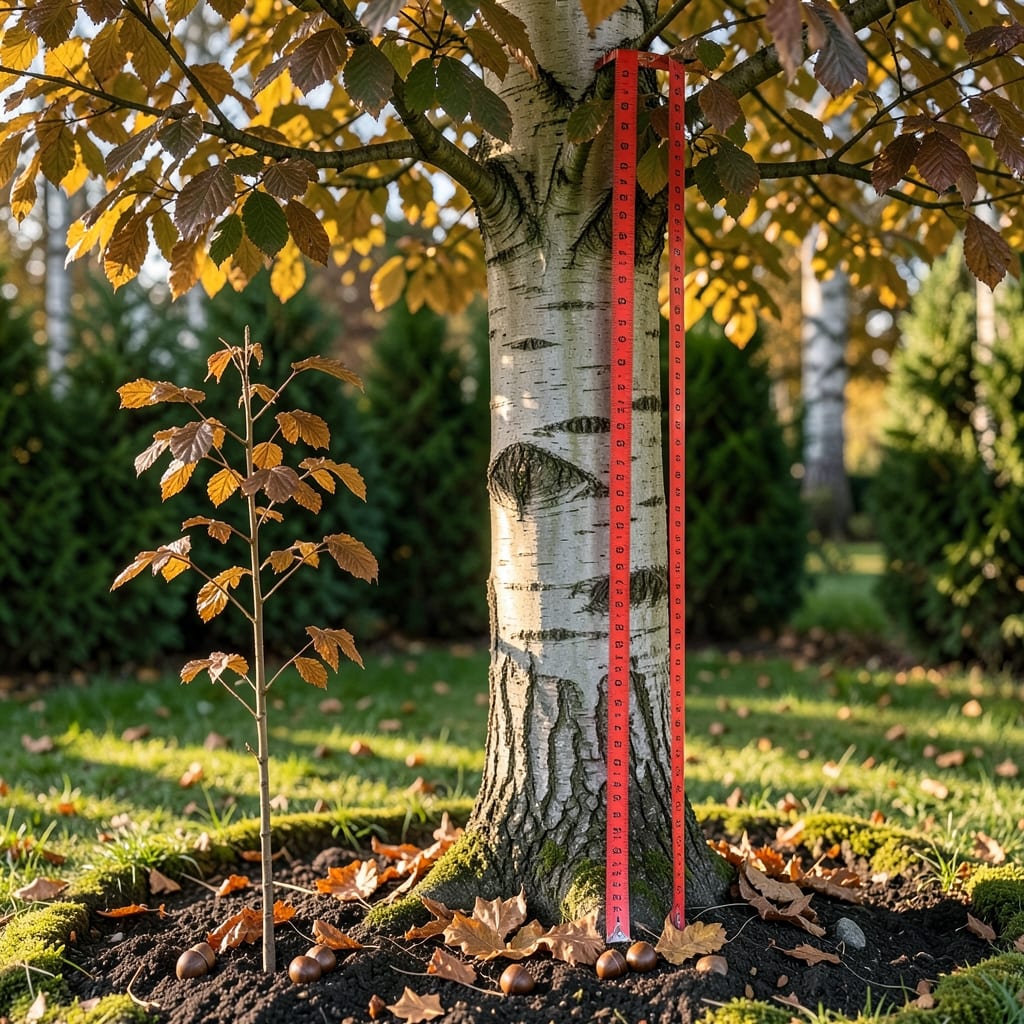
If you're wondering "how tall do beech trees grow", the answer might surprise you—these stately 🌳 giants can reach heights of 60 to 80 feet in ideal conditions, making them a dominant feature in any landscape. But not all beech trees follow the same growth path; some dwarf varieties stay under 25 feet, perfect for smaller yards, while others stretch toward the sky like natural skyscrapers.
What makes their height so variable? The species plays a huge role—American beeches tend to grow taller than their European cousins, while copper beeches add a splash of color without sacrificing stature. But don’t overlook the power of your local climate and soil quality; even the same species can grow 20% taller in rich, well-drained soil compared to poor conditions.
Before planting, ask yourself: Do you want a towering shade provider or a compact accent tree? The choice affects everything from spacing in your yard to long-term maintenance. I’ll break down the height ranges for common varieties and share tips to encourage—or control—their growth, so you can pick the perfect beech tree for your space.
Whether you're dreaming of a grand forest canopy or just a neat addition to your garden, understanding these growth patterns is the first step. Let’s dive into the specifics so you can make an informed decision that fits your vision—and your yard’s size.

Mature heights of beech tree species: from dwarfs to giants
Beech trees (genus Fagus) are famous for their smooth, silvery bark and vibrant foliage, but their mature heights vary dramatically depending on the species. If you're asking "how tall do beech trees grow", the answer depends on whether you're eyeing a towering American beech or a compact Copper Beech cultivar. Let me break down the height ranges for the most popular varieties so you can choose the perfect fit for your landscape.
The American Beech (Fagus grandifolia) typically reaches 60 to 80 feet at maturity, making it one of the tallest native deciduous trees in North America. In ideal conditions—like deep, well-drained soil and full sun—these giants can even surpass 80 feet, especially in forest settings where they have plenty of vertical space to stretch. Their broad canopy also adds 40 to 60 feet of horizontal spread, so spacing is critical if you're planting one near your home.
On the other hand, the European Beech (Fagus sylvatica) usually tops out at 50 to 70 feet, with a slightly narrower spread of 30 to 50 feet. This species is more adaptable to urban environments and often grows slightly shorter in cities due to restricted root space. If you're in a USDA Zone 5-8, European beeches are a great choice for medium-sized yards, offering stunning fall color without overwhelming your space.
| Species | Mature Height | Canopy Spread | Growth Rate | Best For |
|---|---|---|---|---|
| American Beech | 60–80 ft | 40–60 ft | Moderate (1–2 ft/year) | Large properties, shade trees |
| European Beech | 50–70 ft | 30–50 ft | Slow to moderate (6–12 in/year) | Urban landscapes, parks |
| Copper Beech | 40–60 ft | 30–45 ft | Slow (6–10 in/year) | Accent trees, small yards |
| Dwarf Beech (e.g., 'Purpurea Pendula') | 15–25 ft | 10–15 ft | Very slow (3–6 in/year) | Containers, small gardens |
The Copper Beech is a standout variety not just for its stunning burgundy foliage but also for its slightly more manageable height of 40 to 60 feet. This makes it ideal for homeowners who want the dramatic look of a beech tree without the space requirements of its taller cousins. Copper beeches grow at a slower rate (about 6 to 10 inches per year), which is great for long-term planning but means patience is key if you're hoping for quick shade.
For smaller spaces, consider dwarf beech varieties like 'Purpurea Pendula' or 'Raywood', which max out at 15 to 25 feet. These are perfect for containers, patio gardens, or as focal points in narrow yards. Dwarf beeches grow at a glacial pace—often just 3 to 6 inches per year—so they’re a low-maintenance choice for those who want the beauty of beech trees without the commitment to a century-old giant.
One thing to remember: these height ranges are general guidelines. A beech tree’s final height depends on growing conditions, including soil quality, sunlight, and water availability. In poor soil or with limited space, even a standard American beech might stay shorter than expected. Conversely, in rich, moist soil with plenty of sunlight, a dwarf variety could occasionally surpass its typical height range. Next, I’ll explain how to optimize these conditions for the height you want—whether you're aiming for a sky-scraping shade provider or a compact ornamental tree.
🌳
Mature heights of beech tree species: from dwarfs to giants
Beech trees (Fagus species) are famous for their striking bark and glossy leaves, but their height can vary dramatically depending on the variety. If you're planning your landscape, knowing these differences is key—some varieties reach 80 feet while others stay under 25 feet. Let’s explore the most common types and their mature heights to help you choose the perfect fit for your space.
The American beech (Fagus grandifolia) is the tallest of the bunch, often growing 60 to 80 feet tall with a spread of 40 to 60 feet. It’s a classic shade tree, perfect for large yards or parks where it can dominate the landscape. Meanwhile, the European beech (Fagus sylvatica) typically reaches 50 to 70 feet, making it slightly more manageable for suburban settings.
For those with smaller spaces, the copper beech (Fagus sylvatica 'Purpurea') is a stunning alternative, growing 40 to 60 feet tall with vibrant purple foliage. Even better, dwarf varieties like 'Fastigiata' or 'Dawyck' stay under 25 feet, ideal for urban gardens or as accent plants near patios.
| Variety | Mature Height | Spread | Growth Rate | Best For |
|---|---|---|---|---|
| American Beech | 60-80 ft | 40-60 ft | Moderate | Large yards, parks |
| European Beech | 50-70 ft | 35-50 ft | Slow to moderate | Suburban landscapes |
| Copper Beech | 40-60 ft | 30-45 ft | Moderate | Color accents, medium yards |
| Dwarf Varieties | 15-25 ft | 10-20 ft | Slow | Urban gardens, small spaces |
When selecting a beech tree, consider not just height but also its growth rate and spread. For example, while an American beech grows tall quickly, its wide canopy may require 50 feet of clearance from structures. In contrast, dwarf varieties like 'Dawyck' grow just 1 foot per year, making them ideal for tight spaces where you want to avoid constant pruning.
Pro tip: If you’re unsure about spacing, measure your yard and compare it to the mature spread of your chosen variety. Planting too close can lead to root competition and stunted growth over time. For instance, a 60-foot-tall beech needs at least 30 feet of space on all sides to thrive without crowding other plants.
Remember, these heights are averages—your tree’s final size depends on soil quality, sunlight, and care. In poor soil, even a standard beech might stay 20% shorter than expected. But with the right conditions, you could end up with a stunning, towering specimen that becomes the centerpiece of your landscape.