
Trees
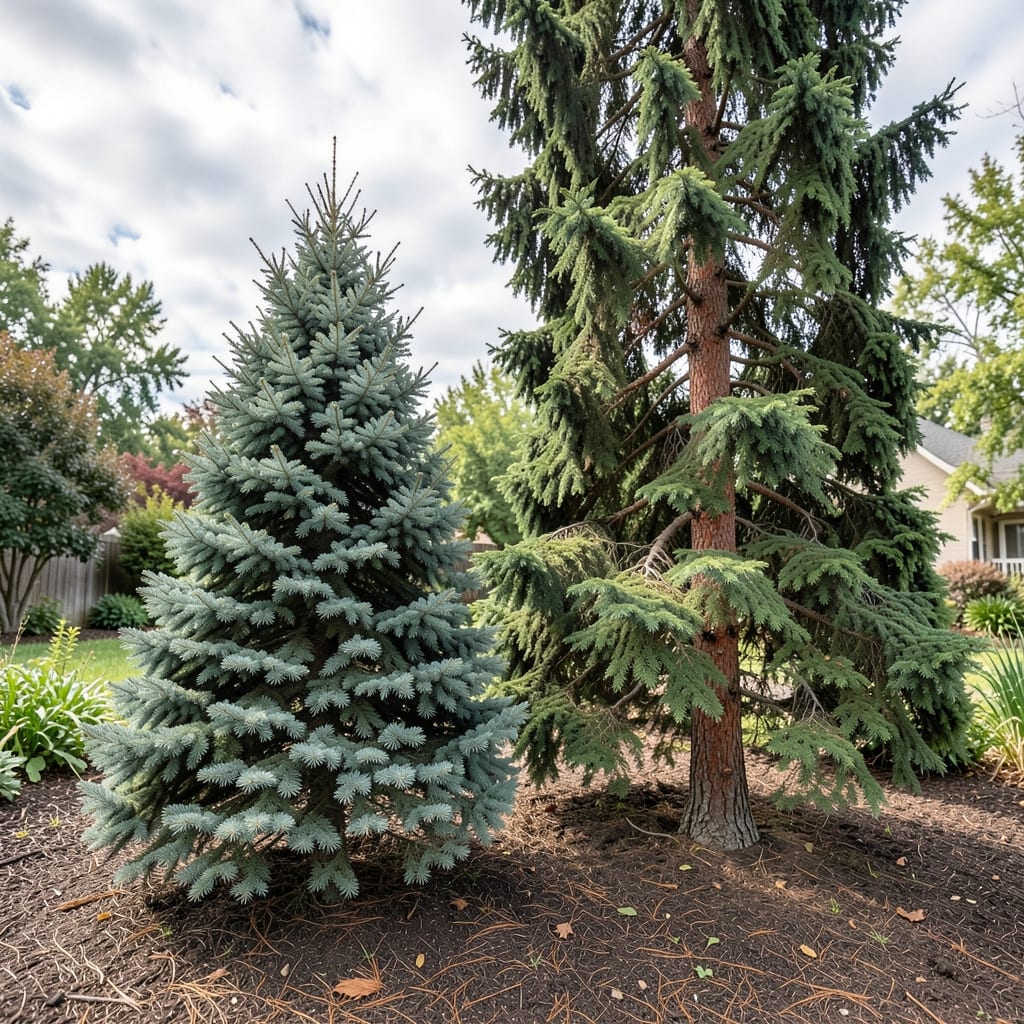
If you're asking "how tall do arborvitae trees grow", your yard's future might look very different depending on which variety you choose. Some arborvitae varieties stretch skyward like towering sentinels, while others stay neatly contained as compact shrubs - and the difference comes down to careful selection.
Picture this: a 40-foot 'Green Giant' arborvitae 🌲 providing year-round privacy for your entire property, versus a 3-foot 'Emerald Green' adding elegant texture to your foundation planting. The same plant family offers dramatic contrasts in mature height, making it essential to understand growth patterns before planting. What works beautifully in one landscape might become an unmanageable giant in another.
Your space and sunlight conditions play crucial roles in determining which arborvitae will thrive. We'll break down the height expectations for popular varieties and share practical tips for managing growth through proper planting techniques and seasonal maintenance. Whether you're planning a dramatic privacy screen or delicate border planting, knowing these details will help you make the perfect selection.
Ready to discover which arborvitae will fit your vision? Let's explore how different varieties grow over time and what you can do to guide their development. The right choice could mean the difference between a lush, low-maintenance landscape and a future pruning project that feels like climbing a tree!


Arborvitae mature height by variety: fast-growing vs compact types
Arborvitae trees come in stunning variety, with mature heights ranging from ground-hugging dwarfs to towering 40-foot giants. The right choice depends entirely on your space and vision—whether you need a privacy screen, a hedge, or a focal point. I’ve grown several varieties myself, and the differences in growth habits are fascinating. Some arborvitae grow vertically like columns, while others spread horizontally like lush carpets.
For backyard planning, spacing is everything. A standard arborvitae like 'Green Giant' needs 15-20 feet of clearance, while a dwarf variety like 'Tiny Tim' thrives in 3-foot-wide containers. Let’s break down the most popular types by their mature heights and growth habits so you can pick the perfect fit for your landscape.
🌲
When selecting an arborvitae, growth rate is just as important as mature height. Fast-growing varieties like Green Giant can add 1-2 feet per year, while slower growers like Golden Globe take their time to reach full size. This affects how quickly you’ll achieve your privacy or aesthetic goals. For example, if you need a quick privacy screen, planting three Green Giants in a row will give you a 12-foot-tall wall in just 5 years.
For small spaces, dwarf varieties like Tiny Tim or Golden Globe are game-changers. They fit perfectly in containers or along patio edges, offering all the beauty of arborvitae without the bulk. I’ve seen Tiny Tim thriving in 5-gallon pots on decks, adding year-round greenery without overwhelming the space. Their slow growth also means less pruning over time—ideal for busy gardeners.
If you’re planting for long-term privacy, consider American Arborvitae or Green Giant. These varieties grow tall and dense, creating an impenetrable barrier that wildlife can’t penetrate. Just be prepared for their eventual height—these trees aren’t for tiny yards! For hedges, Emerald Green strikes a balance with its moderate height and dense foliage, making it a favorite for landscaping professionals.
Understanding how fast arborvitae grow helps you plan your landscape with precision. A Green Giant might reach 12 feet in just 5 years, while a Golden Globe takes 10+ years to reach its 4-foot maximum. This growth timeline directly impacts when you'll achieve your privacy or aesthetic goals. For example, if you're creating a privacy screen along a fence, planting fast-growing varieties means quicker results—but also requires more upfront planning for their eventual size. Most arborvitae follow predictable growth patterns once established. In their first 3 years, they focus on root development, growing only 2-4 feet tall. After that, growth accelerates, with some varieties adding up to 2 feet annually. This exponential growth phase is why proper spacing from day one prevents future crowding issues. I've seen many gardeners plant arborvitae too closely, only to struggle with overgrowth years later when their trees outgrow their intended space. For small-space gardening, dwarf varieties like Tiny Tim or Golden Globe offer immediate impact with minimal long-term maintenance. These stay under 5 feet tall and grow just 3-6 inches per year, making them perfect for containers or foundation plantings. I've used Golden Globe in my own front yard to create a low-maintenance border that never needs pruning—just occasional watering and mulching. When planning for privacy screens, consider that Green Giant arborvitae will reach 40 feet in 15-20 years. This means if you plant them now, you'll need to wait at least a decade before seeing full coverage. For faster results, consider planting multiple trees in a row with 4-6 feet between stems. This creates an immediate visual barrier while allowing room for future growth. Just remember—once established, arborvitae are difficult to transplant, so get your spacing right from the start. Your local climate also affects growth rates. In warmer southern regions, arborvitae often grow 10-20% faster than in cooler northern climates. This is why it's crucial to check your USDA hardiness zone before selecting varieties. For example, American Arborvitae thrives in zones 3-7, while Green Giant prefers zones 4-8. Always choose varieties suited to your specific growing conditions for optimal growth rates and health. Proper soil preparation can accelerate growth by 20-30%. Amending your soil with compost and ensuring good drainage creates ideal conditions for root development. I always recommend testing your soil's pH before planting—arborvitae prefer slightly acidic soil (pH 6.0-7.0). A simple soil test kit makes this easy, and the results can help you adjust your planting plan to maximize growth potential.How arborvitae growth rates affect landscape planning