
Trees
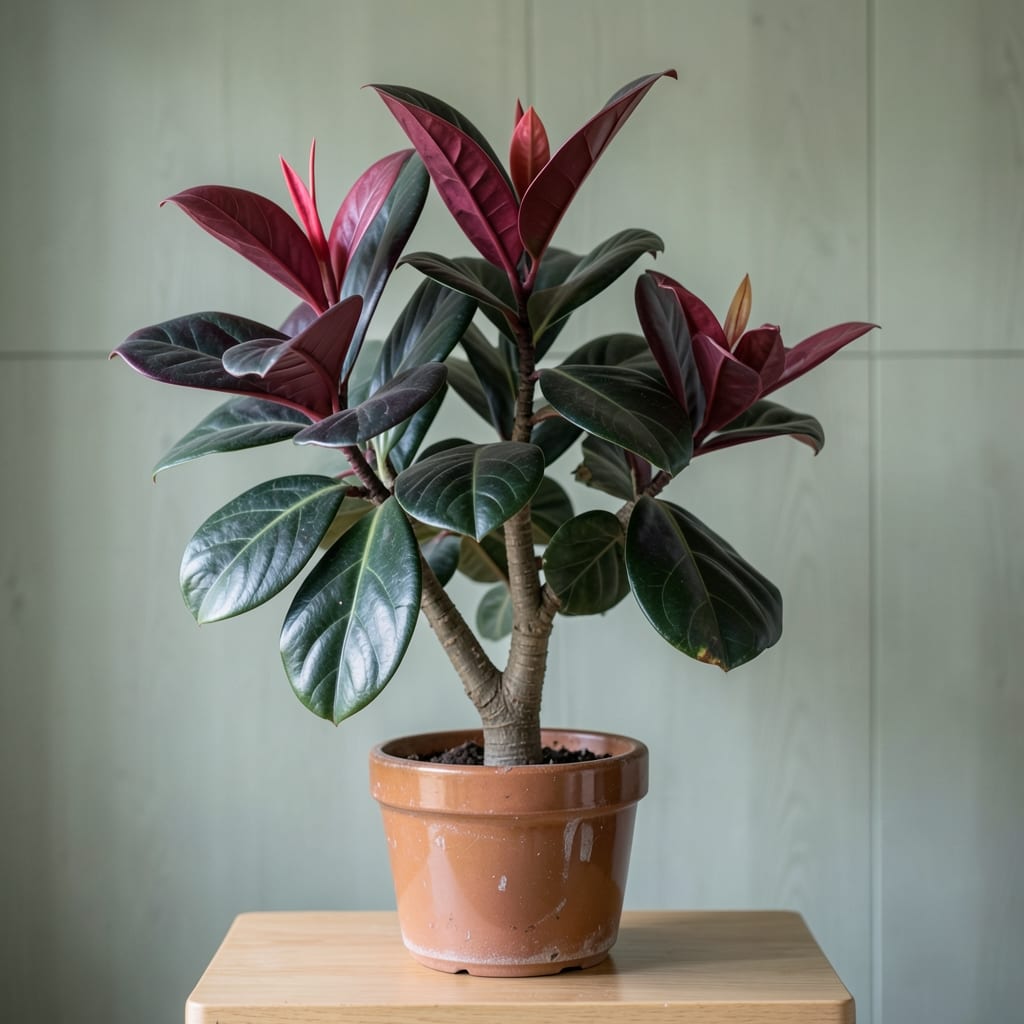
Have you ever glanced at your Rubber Tree 🌿 and wondered how tall this rubber tree can grow if left to its own devices? The answer might surprise you—especially when comparing indoor plants to their outdoor counterparts.
Under ideal conditions, a Rubber Tree (Ficus elastica) can reach staggering heights, but whether it’s a towering indoor statement piece or a modest outdoor shrub depends on where you grow it. Indoors, these plants typically max out around 10–20 feet, while outdoors, they can soar to 30–40 feet—or even higher with the right care. That’s the difference between a ceiling-height accent and a small tree shading your patio!
But height isn’t just about space—it’s about how you nurture your plant. Light, pruning, and even humidity play a huge role in whether your Rubber Tree stretches toward the sky or stays compact. Let’s break down what influences its growth and how you can encourage (or control) its vertical ambitions.
Whether you’re dreaming of a lush indoor giant or a manageable outdoor specimen, understanding these growth limits will help you plan for the future. Ready to learn how to give your Rubber Tree the best shot at reaching its full potential?

Natural height limits of rubber trees: indoor vs outdoor growth comparison
Rubber trees (Ficus elastica) are fast-growing plants with dramatic height differences based on their environment. In indoor settings, these trees typically reach 10–20 feet tall over 5–10 years, while outdoor cultivation can push them to 30–40 feet or more under ideal conditions. The key difference? Space, light exposure, and care routines.
Indoors, rubber trees grow vertically but are often root-bound in containers, limiting their height potential. Outdoors, they spread their roots freely, accessing more nutrients and water to fuel rapid vertical growth. Understanding these limits helps you plan pruning and choose the right location for your tree.
Here’s how rubber trees compare in different environments:
Outdoor rubber trees thrive in USDA Zones 10–12 but can survive in Zones 9–11 with winter protection. Their rapid growth outdoors makes them stunning focal points in tropical gardens, while indoors, they adapt well to bright living rooms or sunrooms with proper care.
Light exposure is critical for height. Indoors, place your rubber tree near an east-facing window to avoid leaf scorch from direct afternoon sun. Outdoors, they tolerate partial shade but grow fastest in morning sunlight with afternoon relief.
Soil quality also impacts growth. Well-draining, slightly acidic soil (pH 6.0–6.5) encourages root development, whether in pots or garden beds. Amend indoor potting mix with perlite or orchid bark to prevent root rot, a common issue in containers.
Dwarf varieties like 'Robusta Compacta' max out at 6–10 feet, perfect for small spaces. Standard varieties, however, can easily outgrow indoor ceilings without regular pruning. If height is a concern, prune in early spring to control growth while maintaining a bushy shape.
Humidity plays a surprising role in height. Low indoor humidity can stunt growth, while outdoor trees benefit from natural moisture. Use a humidifier or pebble tray indoors to mimic outdoor conditions and encourage taller growth.
Remember, rubber trees grow taller, not wider, making them ideal for vertical gardening. With the right care, your indoor tree could reach 15 feet in 10 years, while outdoor specimens may double that height in half the time.
Natural height limits of rubber trees: indoor vs outdoor growth comparison
Rubber trees (Ficus elastica) are known for their striking foliage and impressive vertical growth potential. In outdoor settings, they can reach 30–40 feet tall under ideal conditions, while indoor rubber trees typically max out at 10–20 feet due to limited space and light. Understanding these differences helps you plan for your tree’s future height and adjust care accordingly.
The growth rate of rubber trees varies by environment. Outdoors, they grow 2–3 feet per year, while indoors, growth slows to 1–2 feet annually unless given optimal care. Light exposure, humidity, and container size all play critical roles in determining how tall your rubber tree will grow.
Here’s a quick comparison of rubber tree height limits in different settings:
| Environment | Mature Height | Growth Rate | Key Limiting Factors |
|---|---|---|---|
| Outdoor | 30–40 ft | 2–3 ft/year | Space, sunlight, soil quality |
| Indoor (container) | 10–20 ft | 1–2 ft/year | Light, humidity, pot size |
| Dwarf Varieties | 6–10 ft | 1 ft/year | Genetics, pruning, care |
Outdoor rubber trees thrive in tropical or subtropical climates (USDA Zones 10–12) where they can spread their roots freely and access abundant sunlight. In these conditions, their thick, sturdy trunks and broad canopies create a dramatic focal point in landscapes. Without pruning, they can even surpass 40 feet in exceptional cases.
Indoor rubber trees, however, face space constraints and often lower light levels, which slow their vertical growth. If you’re growing one as a houseplant, choose a large container (at least 12–18 inches in diameter) to encourage upward growth rather than root-bound stress. Regular fertilization and humidity control (like misting or a pebble tray) can also help maximize height indoors.
For those with limited space, dwarf rubber tree varieties (like Ficus elastica 'Robusta Compacta') are a great choice. These stay 6–10 feet tall, making them perfect for smaller homes or apartments. Even standard varieties can be kept smaller with regular pruning and container rotation to ensure even growth.
🌿