
How To
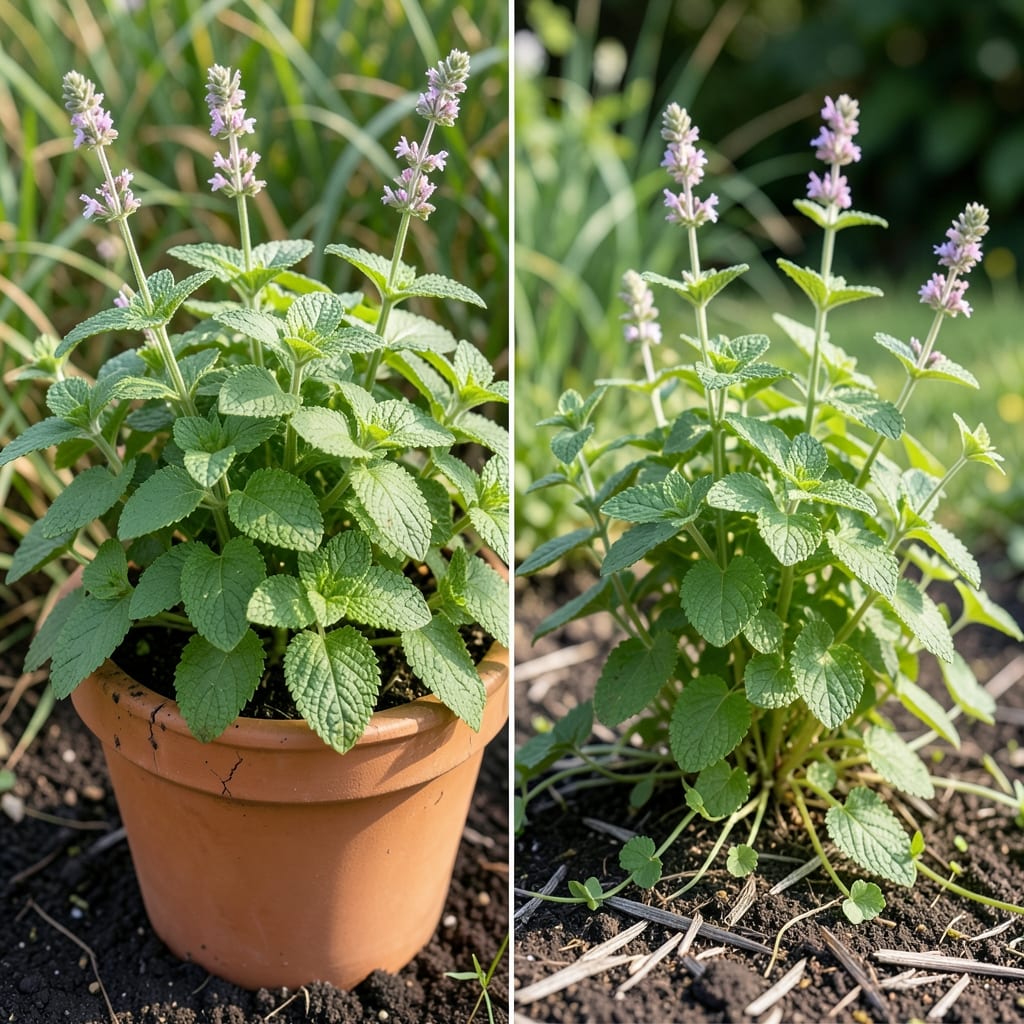
Ever wondered just how tall that pesty little mint plant in your garden could actually grow if left completely unchecked? The answer might make you reconsider where you plant your next 🌿 patch—because mint isn’t just a kitchen staple; it’s a sky-high invader with serious ambitions.
Under ideal conditions—think full sun, rich soil, and zero pruning—mint can stretch its square stems to a staggering 3 to 4 feet tall, creating a lush, sprawling green monster that’s equal parts beautiful and problematic. But here’s the twist: with the right techniques, you can harness its growth without letting it take over your yard.
In this guide, I’ll break down exactly how tall mint can reach, what factors push it to its limits, and—most importantly—how to prune and contain it so you get fresh leaves without the garden takeover. Whether you’re growing mint in pots or letting it loose in the ground, these tips will keep your harvest bountiful and your borders tidy.
Ready to turn that rampant growth into a manageable (and delicious) asset? Let’s dive into the secrets of controlling mint’s height—so you can enjoy its flavor without the chaos.


Mint growth limits: how tall can it really reach?
Mint isn’t just a hardy herb—it’s a growth powerhouse that can reach 3 to 4 feet tall under ideal conditions. Left unchecked, its square stems and sprawling habit will turn your garden into a mint jungle faster than you can say "tea time." But why does it grow so aggressively? The answer lies in its biological design as a perennial herb, evolved to spread quickly through both seeds and underground runners called rhizomes.
These rhizomes act like nature’s extension cords, sending out new shoots up to 6 feet away from the original plant. Combine that with its love for moist, nutrient-rich soil and partial sunlight, and you’ve got a recipe for a mint monster. In my own garden, I’ve seen peppermint hit 4 feet tall in a single season when given full sun and regular watering—though most varieties max out around 2 to 3 feet in typical home gardens.
The key to understanding mint’s height lies in its growing conditions. Like a teenager with a growth spurt, mint responds dramatically to sunlight exposure, water availability, and soil fertility. Too much sun can make it leggy, while shady spots keep it compact but may reduce flavor intensity. And if you’ve ever seen mint in a container without pruning, you’ll know it doesn’t play by the rules—it’ll grow taller and bushier than expected, often sending up flower spikes that signal it’s ready to seed and spread even further.
Here’s the science behind its sky-high ambitions: Mint belongs to the Lamiaceae family, which includes other fast-growing herbs like basil and oregano. Its square stems (a family trait) channel nutrients efficiently, fueling rapid vertical growth. But here’s the catch—when mint flowers, its energy shifts from leaf production to seed-making, weakening flavor and making the plant less desirable for culinary use. That’s why regular pruning isn’t just about control; it’s about preserving flavor and keeping your mint lush and productive.
Now, let’s talk numbers. While 4 feet is the upper limit for mint in perfect conditions, most gardeners see heights between 1 and 3 feet depending on variety and care. For example, apple mint tends to stay shorter (around 2 feet) compared to peppermint, which can hit 3 to 4 feet if given free rein. The difference? Genetics and growing conditions. Peppermint, for instance, thrives in cooler climates (USDA zones 3-9) and responds well to rich, moist soil, while spearmint varieties often stay slightly more compact.
But here’s where things get tricky: mint’s spread often outpaces its height. While it might only reach 3 feet tall, its rhizomes can spread 6 feet or more in a single season, making it one of the most invasive herbs you can grow. That’s why container gardening is a game-changer for controlling both height and spread. A 12-inch pot with drainage holes can keep mint’s height in check while preventing those sneaky rhizomes from taking over your garden beds.
So, how do you harness mint’s growth potential without losing control? The answer lies in strategic pruning and container gardening. By understanding its natural growth habits—and its weaknesses—you can enjoy bountiful harvests without turning your yard into a mint jungle. Ready to dive into the pruning secrets that’ll keep your mint at your desired height? Let’s explore how to trim it back without sacrificing growth or flavor.
🌱 Mint Growth Quick Facts
| Growth Factor | Details |
|---|---|
| Natural Height Range | 1–4 feet (varies by variety) |
| Fastest Growth Phase | Spring to early summer |
| Spread Potential | Up to 6 feet via rhizomes |
| Ideal Sunlight | Partial shade (4–6 hours/day) |
| Soil Preference | Moist, well-draining, rich in organic matter |
| Height Control Tip | Prune regularly to encourage bushiness |
If you’ve ever struggled with mint’s unruly growth, you’re not alone. The good news? With the right approach, you can keep it contained while still enjoying a flavorful harvest. For example, spearmint often stays shorter and bushier than peppermint, making it a better choice for small gardens or containers. Meanwhile, varieties like chocolate mint or pineapple mint offer unique flavors without sacrificing height control—if you’re willing to put in the effort to prune and monitor their spread.
One of my biggest mint-growing mistakes was planting it directly in the ground without barriers. Within a year, it had spread to three neighboring beds, and I spent hours digging out rhizomes. Since then, I’ve switched to heavy-duty containers with root barriers, which have made all the difference. The key is to act early: mint’s rhizomes can penetrate plastic pots over time, so opt for fabric grow bags or containers with a minimum 12-inch depth to give roots room to grow without escaping.
So, whether you’re growing mint for tea blends, cocktails
Mint growth limits: how tall can it really reach?
Mint is no shrinking violet—this hardy herb can reach heights that’ll make your garden neighbors jealous. Under ideal conditions, mint plants typically grow between 3 to 4 feet tall, with some aggressive varieties stretching even taller. The key to unlocking this growth potential lies in three factors: sunlight exposure, soil quality, and lack of pruning. Think of it as nature’s way of rewarding (or punishing) gardeners who forget to rein it in!
If you’ve ever seen mint in a wildflower meadow or abandoned garden, you’ve witnessed its full growth potential. Without intervention, mint spreads via rhizomes (underground stems) and shoots upward with remarkable speed. This is why many gardeners swear by container growing—it’s the only way to keep mint from staging a full-blown takeover.
Here’s the science behind mint’s sky-high ambitions: mint belongs to the Lamiaceae family, which includes other fast-growing herbs like basil and oregano. Its square stems and rapid leaf production are evolutionary adaptations to thrive in disturbed soils. In short, mint is a growth machine when given the right conditions.
| Growth Factor | Impact on Height | Ideal Conditions |
|---|---|---|
| Sunlight | 3-4 ft (full sun) vs. 1-2 ft (partial shade) | 4-6 hours of morning sun |
| Soil | Up to 50% taller in rich, moist soil | Well-draining, compost-amended soil |
| Pruning | Unpruned plants grow 2x taller | Regular trimming every 4-6 weeks |
| Variety | Chocolate Mint: 3-4 ft | Apple Mint: 2-3 ft | Choose dwarf varieties for control |
Your climate zone also plays a role in mint’s height. In USDA Zone 6a (where mint thrives), expect peak growth during June through August when temperatures and daylight hours are optimal. Cooler climates may see slightly shorter plants, while tropical regions can push mint to its upper limits—4 feet or more—if unchecked.
Pro tip: If you’re growing mint in containers, root-bound plants will grow taller but produce fewer leaves. To maximize harvestable foliage, repot every 1-2 years and trim back leggy stems. This keeps your mint compact and productive while still letting it reach its natural height potential.
Remember, mint’s height isn’t just about aesthetics—it’s about harvest timing. Plants that grow too tall often flower, which reduces leaf flavor and signals the end of the prime harvest window. Stay ahead of the game by monitoring growth and pruning strategically.