
Size
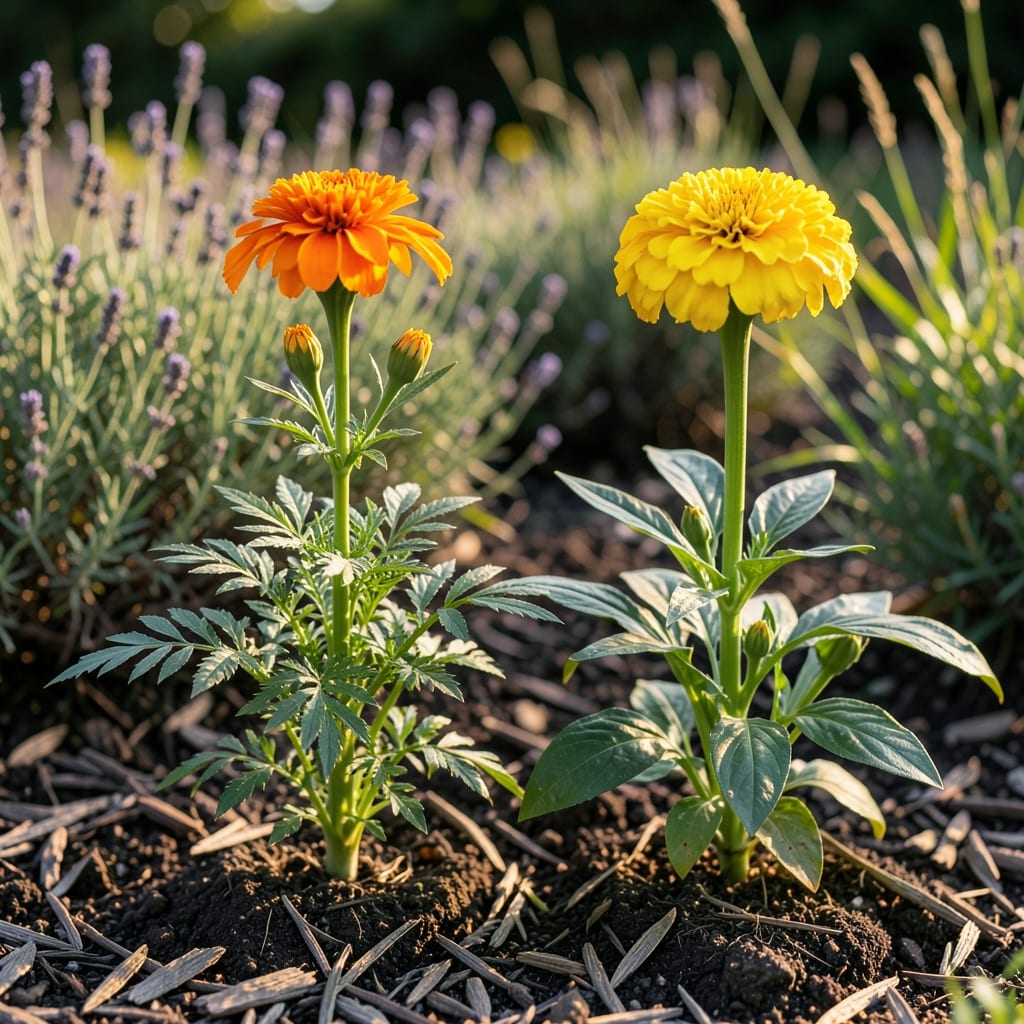
If you’ve ever wondered how tall marigolds can grow, the answer might surprise you—these cheerful blooms can range from barely knee-high to towering over your head! Whether you’re planning a cozy window box or a bold garden border, understanding their growth potential is key to creating the perfect layout.
The height of marigolds depends entirely on the variety you choose. Dwarf types like ‘Tangerine’ or ‘Gold Rush’ stay compact at just 6–12 inches, making them ideal for containers or edging. On the other end of the spectrum, African marigolds like ‘Crackerjack’ can soar to 3–5 feet, acting as striking focal points in your garden.
But it’s not just about the seeds—sunlight, soil quality, and even pruning habits play a huge role in how tall your marigolds grow. With the right conditions, you can encourage your plants to reach their full potential, whether that means keeping them small for a neat look or letting them stretch for drama.
Ready to discover which marigold types fit your space best? Let’s explore the full range of heights and the simple tricks to control their growth—so you can design a garden that’s as stunning as it is practical.


Marigold height ranges by type: dwarf to giant varieties
Marigolds come in a stunning array of heights, from tiny 6-inch border plants to 5-foot garden giants. The variety you choose determines everything—from spacing to sunlight needs—so let’s explore the exact heights you can expect from popular marigold types.
Dwarf marigolds like 'Gold Rush' or 'Tangerine' stay under 12 inches, perfect for window boxes or container gardens. Meanwhile, African marigolds like 'Crackerjack' or 'Vanilla' can reach 3–5 feet, making them ideal for borders or back-of-bed plantings.
French marigolds (like 'Bonanza') typically grow 12–24 inches, striking a balance between compact and tall. Signal marigolds (e.g., 'Lemon Gem') often max out at 18–24 inches, offering a mid-height option for mixed borders.
Here’s a quick comparison to help you visualize the differences:
| Type | Height Range | Best For | Spacing |
|---|---|---|---|
| Dwarf (e.g., 'Gold Rush') | 6–12 inches | Containers, window boxes | 6–8 inches apart |
| French (e.g., 'Bonanza') | 12–24 inches | Borders, edging | 10–12 inches apart |
| Signal (e.g., 'Lemon Gem') | 18–24 inches | Mixed borders, pollinator gardens | 12–15 inches apart |
| African (e.g., 'Crackerjack') | 3–5 feet | Back-of-bed, focal points | 18–24 inches apart |
If you’re planning a container garden, stick to dwarf or French varieties—they thrive in pots and won’t outgrow their space. For backyard borders, African marigolds add height and drama, especially when paired with taller plants like sunflowers.
Pro tip: Check seed packets for mature height estimates, but remember—real-world growth depends on sunlight, soil, and care. A French marigold might stay shorter in partial shade, while an African marigold could reach its full height with extra sunlight and nutrients.
For pollinator gardens, taller varieties like African marigolds attract bees and butterflies higher up, while dwarf types create low-level forage. The choice is yours—whether you want a neat, compact look or a wild, towering display!
Next, we’ll dive into how to control marigold height through sunlight, soil, and pruning—so you can tailor their growth to your garden’s needs.
What determines marigold height? Soil, sun, and pruning secrets
If you’ve ever planted marigolds expecting one height but ended up with something completely different, don’t worry—it’s not just about the seeds! The soil quality, sunlight exposure, and even your pruning habits play huge roles in how tall your marigolds grow. Let’s break down the key factors that influence their height, so you can grow them exactly how you want.
First, sunlight is the biggest game-changer. Marigolds thrive in full sun (6+ hours daily), but too little light can stunt their growth. For example, an African marigold might only reach 2 feet in partial shade instead of its full 4–5 feet. On the flip side, extra sunlight can push them to grow taller—sometimes even beyond their expected height!
Next up is soil nutrients. Marigolds prefer well-draining soil rich in organic matter. If your soil is poor or compacted, their roots won’t get the nutrients they need to grow tall. Amend your soil with compost or aged manure before planting to give them a strong foundation. A balanced fertilizer (5-10-10) applied every 4–6 weeks can also encourage taller, healthier growth.
Key Factors for Marigold Height
Don’t overlook watering habits either. While marigolds are drought-tolerant, they need consistent moisture—especially during their first few weeks of growth. Water deeply in the morning to keep the soil evenly moist, but avoid overwatering, which can lead to root rot and weaker stems. A mulch layer (like straw or shredded leaves) helps retain moisture and encourages taller growth by keeping roots cool.
Finally, pruning is your secret weapon for controlling height. If you want shorter, bushier marigolds, pinch off the top sets of leaves when the plant is about 6 inches tall. This encourages more branches and flowers but keeps them compact. For taller stems, skip pruning entirely—let those African marigolds stretch to their full glory!
One common mistake gardeners make is overcrowding marigolds. When plants compete for nutrients and sunlight, they grow shorter and weaker. Always follow the spacing guidelines for your variety—dwarf types need 6–8 inches apart, while African marigolds should have 18–24 inches of space to reach their full height.
With these tips, you’ll be able to maximize or control marigold height based on your garden’s needs—whether you’re aiming for a neat, low border or a dramatic, towering display. Next, we’ll explore the best marigold types for small spaces versus large gardens, so you can pick the perfect fit for your outdoor oasis!