
How To
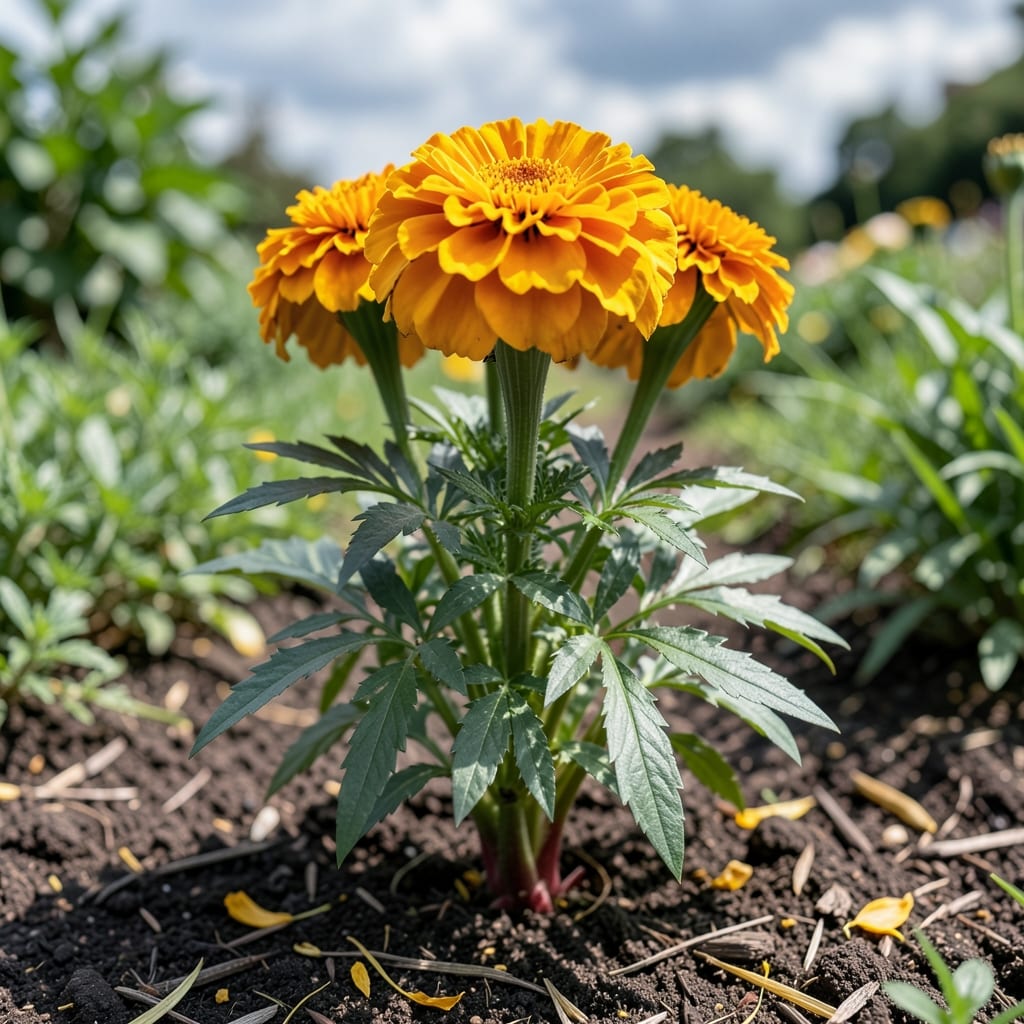
If you're planning your garden beds or picking out African marigolds for containers, knowing how tall these vibrant bloomers grow is the first step to creating a cohesive look. These cheerful 🌼 varieties typically reach between 1 and 4 feet, but their size depends on the variety you choose and how you care for them.
For gardeners working with limited space, compact varieties like 'Janie' stay around 12-18 inches, making them perfect for borders or window boxes. On the other hand, taller varieties can grow up to 4 feet, adding dramatic height to mixed flower beds or as cut flowers.
What makes African marigolds so versatile is their adaptability - they thrive in full sun and well-drained soil, whether planted in the ground or containers. With proper care, you can influence their growth patterns to fit your specific garden design needs.
Whether you're a beginner gardener or a seasoned pro, understanding these height variations will help you select the perfect African marigold varieties for your space. Let's explore how to maximize their potential in your garden layout.


African marigold height by variety: compact vs. tall options
African marigolds (Tagetes erecta) offer a stunning range of heights, from dwarf varieties under 12 inches to tall types reaching 4 feet. This diversity lets you tailor your garden design—whether you need low borders or dramatic cut flowers. The key to choosing the right size lies in understanding how each variety matures and its ideal growing conditions.
Most gardeners select African marigolds based on their mature height, but soil quality, sunlight exposure, and pruning habits can influence growth by up to 10-15%. For example, a 'Janie' variety might grow slightly taller in rich, well-draining soil compared to poor-quality dirt. Let’s explore the most popular height categories to help you make an informed decision.
| Variety | Height Range | Best For | Color Palette |
|---|---|---|---|
| 'Janie' | 12–18 inches | Containers, window boxes | Orange, yellow |
| 'Tangerine Dream' | 18–24 inches | Border edges, small beds | Peach, apricot |
| 'Fireball' | 24–30 inches | Cut flowers, mid-height beds | Deep orange, red |
| 'Petite Gold' | 10–14 inches | Dwarf gardens, pots | Golden yellow |
| 'Sahara' | 30–36 inches | Back of borders, cut arrangements | Cream, gold |
| 'Crackerjack' | 24–36 inches | Mixed beds, pollinator gardens | Orange, yellow |
Dwarf varieties like 'Petite Gold' and 'Janie' are ideal for small-space gardening, fitting perfectly in 5-gallon containers or window boxes. Their compact stature makes them great for urban gardens or balcony planters, where space is limited but color is abundant. These varieties typically bloom earlier in the season, giving you vibrant flowers from late spring to early fall.
For gardeners with more space, taller varieties like 'Sahara' and 'Fireball' create vertical interest and serve as excellent cut flowers. Their stems are sturdy enough to support heavy blooms, making them perfect for bouquets or dried flower arrangements. If you’re using African marigolds for pollinator gardens, taller varieties attract more bees and butterflies due to their height and abundant blooms.
One common misconception is that all African marigolds grow to the same height. In reality, genetics play a huge role, but so do growing conditions. For instance, a 'Crackerjack' marigold might only reach 24 inches in partial shade, while it could grow to 36 inches in full sun. Always check the seed packet or plant tag for expected mature height to avoid surprises in your garden layout.
If you’re planning a themed garden, consider pairing tall and short varieties together. For example, placing 'Janie' (12–18 inches) in the front of a border with 'Sahara' (30–36 inches) in the back creates a layered, professional look. This technique works especially well in perennial beds or mixed flower borders, where height variation adds depth and visual interest.
For container gardening, stick to dwarf or semi-dwarf varieties to avoid overcrowding. A 5-gallon pot can comfortably hold 1–2 plants of 'Janie' or 'Petite Gold', while a 15-gallon container can accommodate 3–4 plants of 'Tangerine Dream'. Always ensure your container has drainage holes to prevent root rot, which can stunt growth and reduce flower production.
When selecting African marigolds for your garden, also consider their bloom time. Dwarf varieties often flower slightly earlier in the season, while taller types may produce blooms later but for a longer duration. This timing difference can help you create a continuous bloom sequence from early summer through fall.
Finally, remember that pruning and deadheading can influence height and bushiness. Regular maintenance encourages more compact growth and prolongs the flowering season. Whether you choose a dwarf variety for containers or a tall type for cut flowers, understanding these height variations will help you design a garden that’s both beautiful and functional.
How to control African marigold growth for bushier blooms
African marigolds thrive when you guide their growth with simple care techniques. The key to keeping them compact and bushy—rather than leggy—lies in pruning, deadheading, and proper feeding. Unlike French marigolds, which sprawl, African varieties grow upright, making them perfect for structured garden designs when managed correctly.
Start by pinching back young plants when they reach 6 inches tall. This encourages branching and more blooms by stimulating lateral growth. Use clean, sharp scissors to snip just above a leaf node, and repeat every 4-6 weeks throughout the growing season. This method works especially well for container-grown plants, where space is limited.
- 🌱 Pinch back young plants at 6 inches to encourage bushiness
- ✂️ Deadhead spent blooms weekly to promote new flowers
- 💧 Water deeply at soil level (avoid wetting foliage)
- 🌿 Fertilize with 5-10-10 every 4-6 weeks in growing season
- ☀️ Ensure full sun (6+ hours daily) for compact growth
Deadheading is another critical step—remove faded blooms by cutting the stem just above the next set of leaves. This prevents the plant from wasting energy on seed production and redirects it toward new flower growth. For African marigolds, deadheading every 7-10 days can extend your blooming season by 4-6 weeks, especially in hot summer months when flowers mature quickly.
Soil quality plays a surprisingly large role in height control. African marigolds prefer well-draining, slightly acidic soil (pH 6.0-7.0). Amend heavy clay soil with compost or perlite to prevent root-bound conditions, which can cause leggy growth. If you notice your plants stretching toward the light, they're likely nutrient-deficient—apply a balanced fertilizer (like 5-10-10) every 4-6 weeks during the growing season.
For container gardening, choose pots that are at least 12 inches deep to accommodate root growth. Smaller containers restrict growth naturally, keeping plants shorter and stockier. Always use pots with drainage holes to prevent waterlogging, which can stunt growth and attract pests like aphids or whiteflies. When repotting, select a container that's only 2-3 inches larger in diameter than the current root ball to maintain compact growth.
Light exposure is non-negotiable for controlling height. African marigolds need 6-8+ hours of direct sunlight daily to stay compact and robust. In shady conditions, they'll stretch and produce fewer blooms. If your garden has limited sun, consider reflective surfaces (like white gravel or mirrors) to maximize light exposure. For indoor growing, place plants near a south-facing window with supplemental grow lights if needed.
Finally, remember that African marigolds are annuals in most climates, meaning they complete their life cycle in one season. To maximize their potential, start seeds indoors 6-8 weeks before last frost, then transplant outdoors after soil temperatures reach 60°F. This early start gives them time to establish strong roots before summer heat arrives, resulting in fuller, bushier plants with more blooms.