
Plants
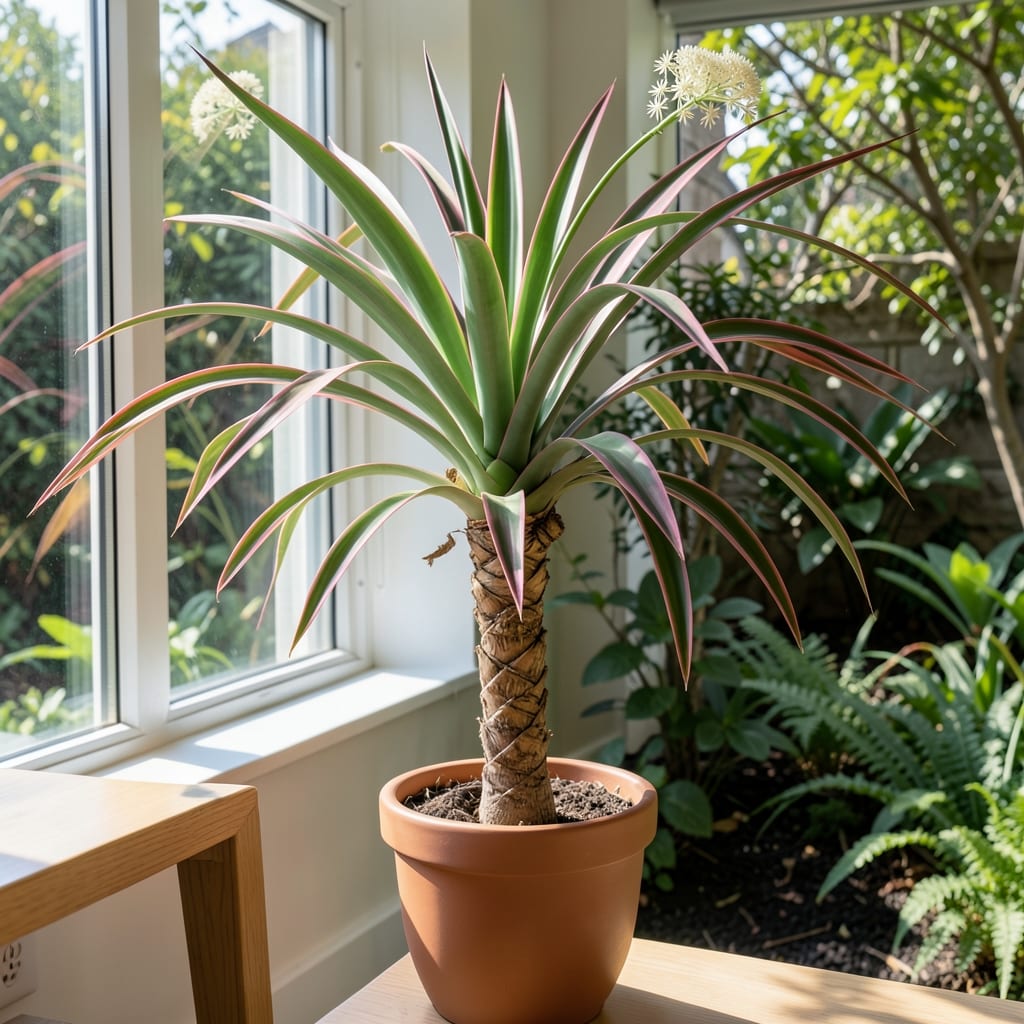
Ever wondered how tall a Dracaena can grow and whether yours could one day stretch toward your ceiling? The answer might surprise you—some varieties grow taller than you think, while others stay compact, making them perfect for small spaces or dramatic statement pieces.
If you're dreaming of a floor-to-ceiling green accent, the key lies in choosing the right species and giving it the ideal care. Whether you have a sunlit corner or just a cozy windowsill, I’ll break down exactly how tall your Dracaena can grow—and how to help it reach its full potential.
From the towering Marginata to the more manageable Fragrans, each type has its own growth story. You’ll discover the secrets to encouraging rapid growth (or keeping it contained) through light, water, and a few clever tricks most plant owners miss.
Ready to turn your houseplant into a living work of art? Let’s explore the sky-high limits of Dracaena—and how to nurture it to its greatest height without the guesswork.


Dracaena height limits by species: from compact to towering giants
Dracaena plants are famous for their striking foliage and impressive height potential, but not all varieties reach the same sky-high limits. Some stay compact enough for small apartments, while others become small trees perfect for grand entryways or office lobbies. The key difference? Species selection and growing conditions. Let's explore the height ranges you can expect from popular dracaena varieties under ideal care.
Before we dive into specifics, remember that indoor dracaenas typically grow slower and reach only 30-50% of their outdoor potential. The tallest varieties like Marginata can still become statement pieces indoors with proper care, but they'll never match their outdoor counterparts. For outdoor cultivation in zones 9-11, these plants can truly stretch their legs and reach their genetic height limits.
🌿
| Variety | Indoor Height (ft) | Outdoor Height (ft) | Growth Rate | Key Care Tips |
|---|---|---|---|---|
| Dracaena Marginata ('Dragon Tree') | 6-10 ft | 15-20 ft | Moderate (1-2 ft/year) | Needs bright light; prune to control height |
| Dracaena Fragrans ('Corn Plant') | 3-6 ft | 10-15 ft | Slow (6-12 in/year) | Tolerates low light; water when topsoil dries |
| Dracaena Deremensis ('Warneckii') | 4-8 ft | 12-18 ft | Fast (2 ft/year) | Loves humidity; prune for bushiness |
| Dracaena Sanderiana ('Lucky Bamboo') | 1-3 ft | 3-5 ft | Very slow (3-6 in/year) | Grows in water; keep in bright indirect light |
| Dracaena Godseffiana ('Janet Craig') | 3-5 ft | 8-12 ft | Moderate (1 ft/year) | Thrives in low light; water moderately |
If you're dreaming of a 10-foot indoor dracaena, focus on the Marginata or Deremensis varieties—they have the fastest growth rates and tallest potential. For smaller spaces, Janet Craig or Lucky Bamboo stay manageable while still making a statement. The Fragrans variety is the most versatile, adapting well to both indoor and outdoor conditions.
One common misconception is that all dracaenas grow equally tall. In reality, some varieties like Lucky Bamboo are genetically dwarfed and will never exceed 5 feet, even with perfect care. Meanwhile, outdoor Marginata can rival small palm trees in height under ideal conditions. Always check the species name when purchasing to avoid disappointment about mature size.
For those considering outdoor cultivation, remember that dracaenas thrive in USDA zones 9-11 where they can achieve their maximum height.
How to encourage maximum dracaena growth: light, soil, and care secrets
Your dracaena's height potential isn't just genetics—it's a direct result of how you care for it. With the right conditions, even dwarf varieties can grow 30% taller than average, while giants like Dracaena marginata can reach their full 15-foot potential indoors with proper care. The key lies in replicating their tropical habitat as closely as possible.
Start with light exposure, the single biggest factor in vertical growth. Dracaenas crave bright indirect light, but they'll stretch awkwardly toward windows if light is too dim. Place your plant within 3 feet of an east or north-facing window, where it gets morning sun without harsh afternoon rays. A grow light on a timer can add 2-3 extra hours of light daily during winter months.
Next, focus on soil aeration and drainage. Dracaenas hate soggy roots, which can stunt growth by up to 50% through root rot. Use a well-draining potting mix with perlite or orchid bark (30% of the blend), and always include a 3-inch layer of gravel at the pot's bottom. For outdoor plants, amend heavy clay soil with compost and coarse sand to improve aeration.
Watering strategy directly impacts height growth. Deep watering every 7-10 days (when the top 2 inches of soil are dry) encourages strong root development, which supports taller growth. However, overwatering triggers nutrient deficiencies that limit vertical expansion. Always water in the morning to prevent fungal growth, and use room-temperature water to avoid shocking the roots.
Don't forget about fertilization timing. During active growing months (spring and summer), feed your dracaena with a balanced 10-10-10 fertilizer every 4-6 weeks. The key is consistency—skipping fertilizations causes growth spurts followed by stagnation. For indoor varieties, dilute fertilizer to half-strength to prevent salt buildup, which can burn roots and halt growth.
Pruning isn't just for shaping—it's a growth hack. Trim brown or yellow leaves at the base with clean scissors, and cut back leggy stems by 1/3 to encourage bushier, more compact growth. For tall varieties, you can even propagate the cuttings to create new plants, effectively cloning your tallest specimens. Just ensure your pruning tools are sterilized to prevent disease transmission.
Finally, monitor temperature and humidity levels. Dracaenas thrive in 65-80°F environments with 40-60% humidity. In dry indoor spaces, use a pebble tray or humidifier near your plant to maintain optimal conditions. This simple adjustment can boost growth rates by 20-30% by reducing stress on the plant's foliage. With these care secrets, your dracaena will reach its full height potential—whether that's a compact 3 feet or a majestic 15 feet.