
Size
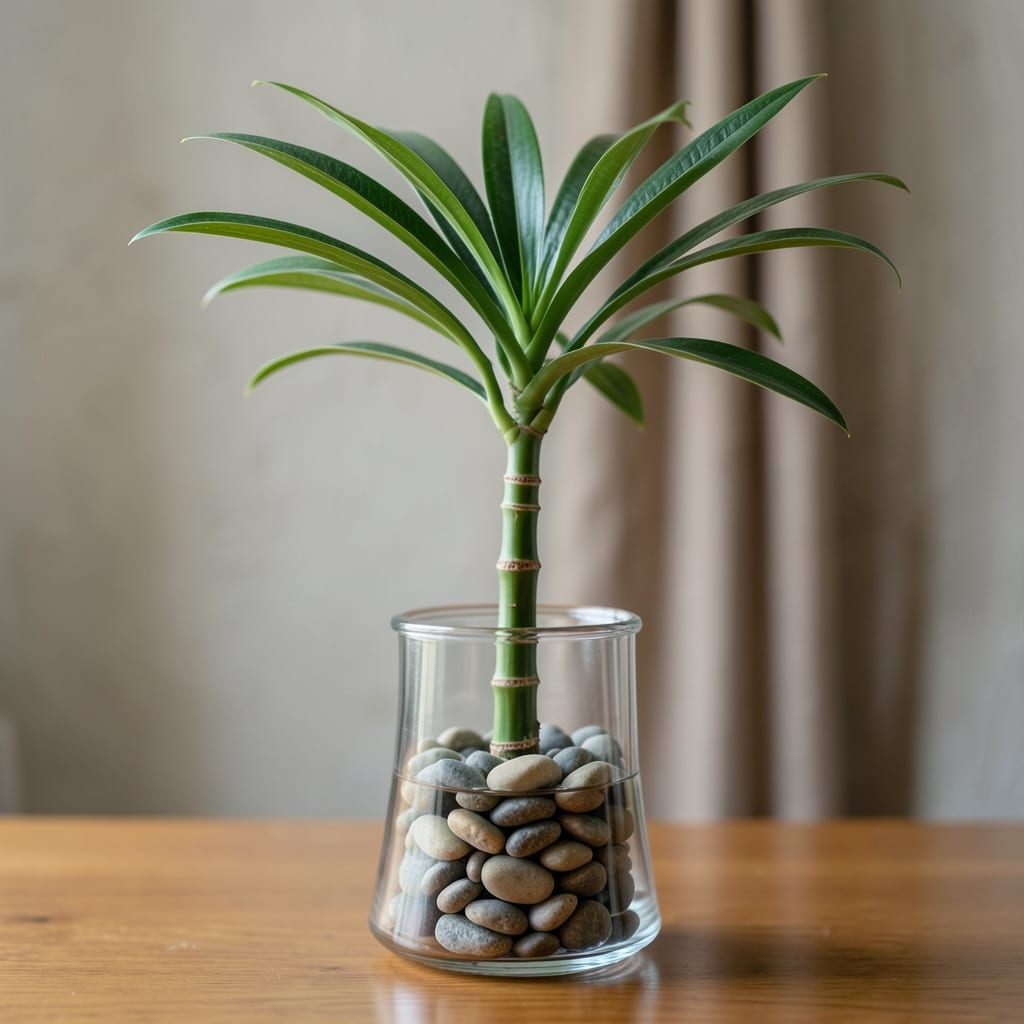
If you've ever wondered how tall can a lucky bamboo plant grow before deciding to add one to your space, the answer might surprise you. This striking 🌿 plant can reach anywhere from a modest 2 feet to a towering 10 feet, depending on its variety and how you care for it. Whether you're looking for a small desk companion or a dramatic centerpiece, understanding its growth potential is the first step to getting exactly what you want.
The key to controlling your lucky bamboo's height lies in its variety and growing conditions. Some types, like the braided variety, naturally stay shorter, while others can grow surprisingly tall if given the right environment. I'll show you how to choose the perfect variety for your space and the simple tricks to keep it at your desired height—or let it grow wild if that's what you prefer.
Light exposure, container size, and even how you prune play huge roles in determining how tall your lucky bamboo will become. Too much sun can stunt its growth, while the right amount of indirect light helps it thrive. And don't worry—even if it starts growing faster than expected, I've got easy ways to manage it without sacrificing its beauty.
Ready to unlock the secrets to growing the perfect lucky bamboo? Let's dive into the factors that influence its height and how you can shape its growth to match your vision—whether that's a compact plant or a stunning vertical statement piece.

Lucky bamboo height limits by variety: from tiny to towering
Lucky bamboo's height varies dramatically depending on the variety you choose. Some types stay compact, perfect for desks, while others can grow into impressive vertical displays. The standard lucky bamboo typically reaches 3-6 feet, making it ideal for shelves or tables. Meanwhile, the braided variety often stays shorter, around 2-4 feet, due to its unique growth pattern.
If you're after a taller statement plant, look for variegated or golden lucky bamboo varieties, which can grow up to 8 feet under ideal conditions. The key difference lies in their genetic growth habits—some are naturally dwarfed, while others have the potential to become small trees with proper care.
Here's how to identify your lucky bamboo's growth potential before you buy. Check the stem thickness and leaf spacing—thicker stems and wider spacing between leaves usually indicate a taller-growing variety. Always ask the nursery about the specific type, as mislabeled plants are common.
For those with limited space, dwarf lucky bamboo varieties are your best bet. These stay between 1-3 feet tall, perfect for small apartments or offices. Their slower growth rate also means less maintenance, making them ideal for beginners.
🌱
| Variety | Mature Height | Growth Rate | Best For |
|---|---|---|---|
| Standard Lucky Bamboo | 3-6 feet | Moderate | Shelves, tables, centerpieces |
| Braided Lucky Bamboo | 2-4 feet | Slow to moderate | Desks, offices, small spaces |
| Variegated Lucky Bamboo | 4-8 feet | Fast | Vertical gardens, large rooms |
| Golden Lucky Bamboo | 3-7 feet | Moderate to fast | Sunny corners, statement pieces |
| Dwarf Lucky Bamboo | 1-3 feet | Slow | Small spaces, beginners |
Understanding your lucky bamboo's variety is just the first step. The container size you choose also plays a crucial role in determining how tall it grows. Smaller pots naturally restrict root growth, which can stunt height, while larger containers encourage taller, more vigorous plants.
If you're growing lucky bamboo in water, expect slightly slower growth compared to soil. Water-grown plants typically reach 20-30% less height than their soil counterparts, but they often develop thicker stems. This makes them ideal for decorative displays where sturdiness matters more than extreme height.
Light exposure is another critical factor. Lucky bamboo grown in bright indirect light tends to grow taller and straighter, while those in low-light conditions may stay shorter but become bushier. Position your plant near a north-facing window for the best balance of height and health.
For those aiming for maximum height, consider supplementing with a balanced liquid fertilizer every 2-3 months. This provides the nutrients needed for rapid, healthy growth without risking root burn. Always dilute fertilizer to half-strength for best results.
🌿
How to control lucky bamboo height: pruning, light, and container secrets
Controlling your lucky bamboo height is easier than you think! The secret lies in three key factors: pruning techniques, light exposure, and container size. I’ve found that even the tallest varieties can be kept compact with the right approach, while smaller types can grow taller if given the right conditions. Let’s explore how to shape your plant’s growth to match your space perfectly.
First, let’s talk about pruning. This is the simplest way to control height. If your lucky bamboo is growing too tall, simply trim the top stems with clean, sharp scissors. Place the cuttings in water—they’ll often root and grow into new plants! For a fuller look, trim the sides instead of the top. Just remember: prune in early spring for best results, and avoid cutting more than one-third of the plant at once.
Next, light exposure plays a huge role. Too much direct sunlight can stunt growth, while bright indirect light encourages healthy, steady growth. Place your plant near a north-facing window for ideal conditions. If you notice yellowing leaves, it’s getting too much sun—move it back a few feet. On the flip side, if growth slows dramatically, it might need more light. A simple grow light can help if natural light is limited.
🌱
Overpruning or sudden light changes can shock your lucky bamboo. If you move it to a brighter spot, do it gradually over 1-2 weeks to avoid leaf burn. And never prune more than 20% of the plant at once—this can stress the roots and slow growth.
Container size is another game-changer. Lucky bamboo grows best in snug pots—too much space encourages rapid vertical growth. If you want a shorter plant, choose a wider, shallower container. For taller growth, use a narrow, deep pot. Pro tip: If your plant is growing too fast, repot it into a slightly smaller container to slow things down. Just ensure the pot has drainage holes if growing in soil.
Don’t forget about water quality! Lucky bamboo is sensitive to chemicals like chlorine and fluoride. If you’re growing it in water, use distilled or dechlorinated water to prevent yellowing leaves and stunted growth. For soil-grown plants, keep the soil lightly moist—never soggy. Overwatering can lead to root rot, which weakens the plant and slows growth.
Finally, if you’re growing lucky bamboo in water (not soil), change the water every 2-4 weeks to prevent bacterial growth. Stagnant water can cause yellow leaves and slow growth. For soil-grown plants, fertilize lightly every 2-3 months with a balanced fertilizer to encourage steady growth without sudden spikes in height.
With these simple tricks, you’ll have full control over your lucky bamboo’s height—whether you want a compact desk plant or a towering statement piece. The key is consistency in care and making small adjustments as your plant grows. Happy gardening! 🪴