
Trees
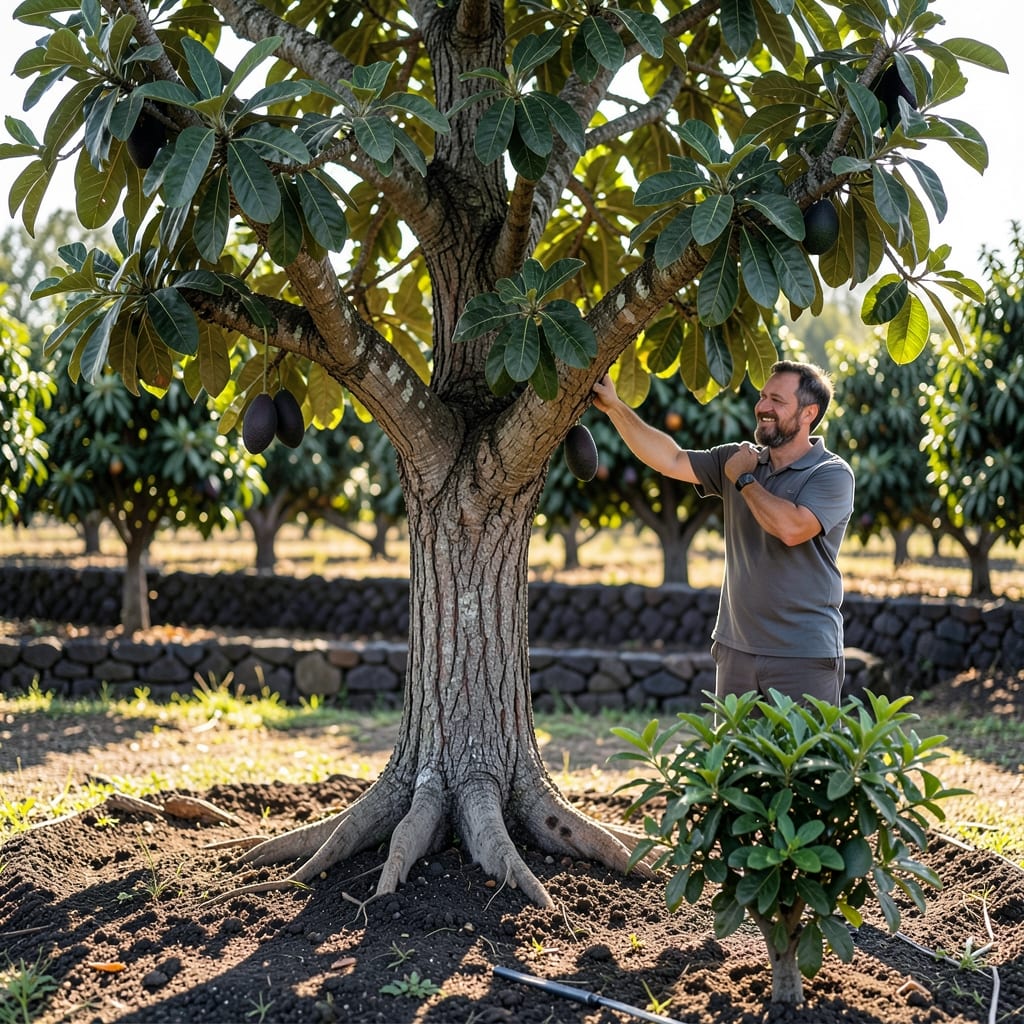
If you’ve ever imagined plucking a fresh avocado straight from your backyard tree, you might be surprised by just how tall an avocado tree can grow—some varieties stretch toward the sky like a tropical giant, reaching heights of 80 feet or more!
But before you picture a towering jungle giant in your garden, here’s the good news: with the right variety and care, you can keep your 🥑 avocado tree at a more manageable size. Whether you’re in USDA Zones 9-11 or growing indoors in cooler climates, understanding the factors that influence height is key to creating the perfect avocado haven.
In this guide, we’ll break down the height ranges of popular varieties—from dwarf types that stay under 15 feet to full-sized trees that dominate the landscape. You’ll also learn how climate, pruning, and soil play a role in shaping your tree’s growth.
Ready to grow an avocado tree that fits your space? Let’s dive into the details so you can enjoy homegrown fruit without sacrificing your backyard’s layout!

Avocado tree height by variety: from dwarf to giant varieties
Avocado trees come in a stunning range of sizes, from compact dwarf varieties perfect for containers to towering giant trees that dominate landscapes. The height of your avocado tree depends entirely on the variety you choose, with some reaching 80 feet in ideal conditions while others stay under 15 feet.
If you’re working with limited space, dwarf varieties like 'Wurtz' or 'Mexicola' are excellent choices, typically maturing between 10-15 feet. These varieties are often grafted onto smaller rootstocks, making them ideal for urban gardens or patios. Meanwhile, standard varieties like 'Hass' or 'Fuerte' can grow up to 40-80 feet when left unpruned.
Here’s a quick visual comparison to help you visualize the differences:
| Variety | Mature Height | Growth Rate | Best For |
|---|---|---|---|
| Dwarf Varieties (e.g., 'Wurtz', 'Mexicola') | 10-15 ft | Slow to moderate | Containers, small yards, patios |
| Semi-Dwarf (e.g., 'Lamb Hass') | 20-30 ft | Moderate | Medium yards, backyard orchards |
| Standard (e.g., 'Hass', 'Fuerte', 'Bacon') | 40-80 ft | Fast | Large properties, rural settings |
| Indoor/Container (e.g., 'Mexicola') | 6-12 ft (pruned) | Slow (with pruning) | Indoor growing, small spaces |
The 'Hass' variety, one of the most popular avocado types, typically grows between 40-60 feet in ideal conditions. It’s known for its dark purple-black skin and creamy fruit, making it a favorite among home gardeners. If you’re in a cooler climate, consider growing it in a large container and moving it indoors during winter to control its height.
For those with limited space, the 'Mexicola' variety is a fantastic option. It thrives in containers and can be kept under 12 feet with regular pruning. This variety is also more cold-tolerant, making it suitable for USDA Zone 9 and even some Zone 8 areas with protection.
If you’re planting multiple avocado trees, consider mixing varieties to ensure cross-pollination and better fruit production. For example, pairing a 'Hass' with a 'Fuerte' can improve yields. Just remember that larger varieties will need more space, so plan accordingly!
No matter which variety you choose, understanding its growth potential will help you create a realistic garden plan. Whether you’re aiming for a towering giant or a compact container tree, the right variety can make all the difference in your avocado-growing success.
Ready to pick the perfect variety for your space? Let’s explore how climate and growing conditions can further influence your tree’s height in the next section!
How climate and growing conditions affect avocado tree height
Your avocado tree’s height isn’t just about genetics—climate and growing conditions play a huge role in whether it becomes a towering 80-foot giant or stays a manageable 15-foot dwarf. In tropical climates like USDA Zones 9b-11, avocados thrive year-round, reaching their maximum heights. But in cooler zones, growth slows significantly, often requiring container culture to survive winters.
Sunlight is another critical factor. Avocado trees need 6+ hours of full sun daily to grow vigorously. In shadier spots, they’ll grow slower and may never reach their full potential height. Even in ideal climates, poor soil drainage or nutrient deficiencies can stunt growth, keeping your tree smaller than expected.
🌱
| Factor | Impact on Height | Growth Tip |
|---|---|---|
| Climate Zone | Tropical (9b-11): Max height (40-80 ft). Cooler zones: Slower growth (10-20 ft). | Use containers in cooler zones; move indoors in winter. |
| Sunlight | Full sun (6+ hrs): Faster growth. Partial shade: Slower growth, smaller height. | Plant in south-facing spots; supplement with grow lights indoors. |
| Soil Drainage | Poor drainage: Stunted growth. Well-draining: Healthy growth (20-80 ft). | Amend clay soil with compost or use raised beds. |
| Watering | Inconsistent water: Slow growth. Deep watering: Faster, taller growth. | Water deeply 2-3x/week in summer; reduce in winter. |
| Pruning | Regular pruning: Controlled height (10-30 ft). No pruning: Uncontrolled growth (40-80 ft). | Prune in late winter to shape; remove dead branches year-round. |
Even in perfect conditions, some avocado varieties naturally grow taller than others. For example, the Hass avocado, a popular variety, can reach 50-80 feet in ideal climates, while dwarf varieties like 'Wurtz' max out at 10-15 feet. If you’re in a cooler climate, choosing a dwarf variety and growing it in a container gives you the best chance to control its height while still enjoying homegrown avocados.
Don’t forget that wind exposure also affects growth. Strong winds can stunt height by damaging young branches, while sheltered locations encourage taller, straighter trunks. If you’re growing your tree in an open area, consider adding a windbreak or planting near a fence to protect it.
🌿
By understanding these factors, you can create the perfect environment for your avocado tree—whether you want a towering tropical giant or a compact backyard beauty. The key is balancing natural growth tendencies with thoughtful care to achieve the height that works best for your space and climate.