
Size
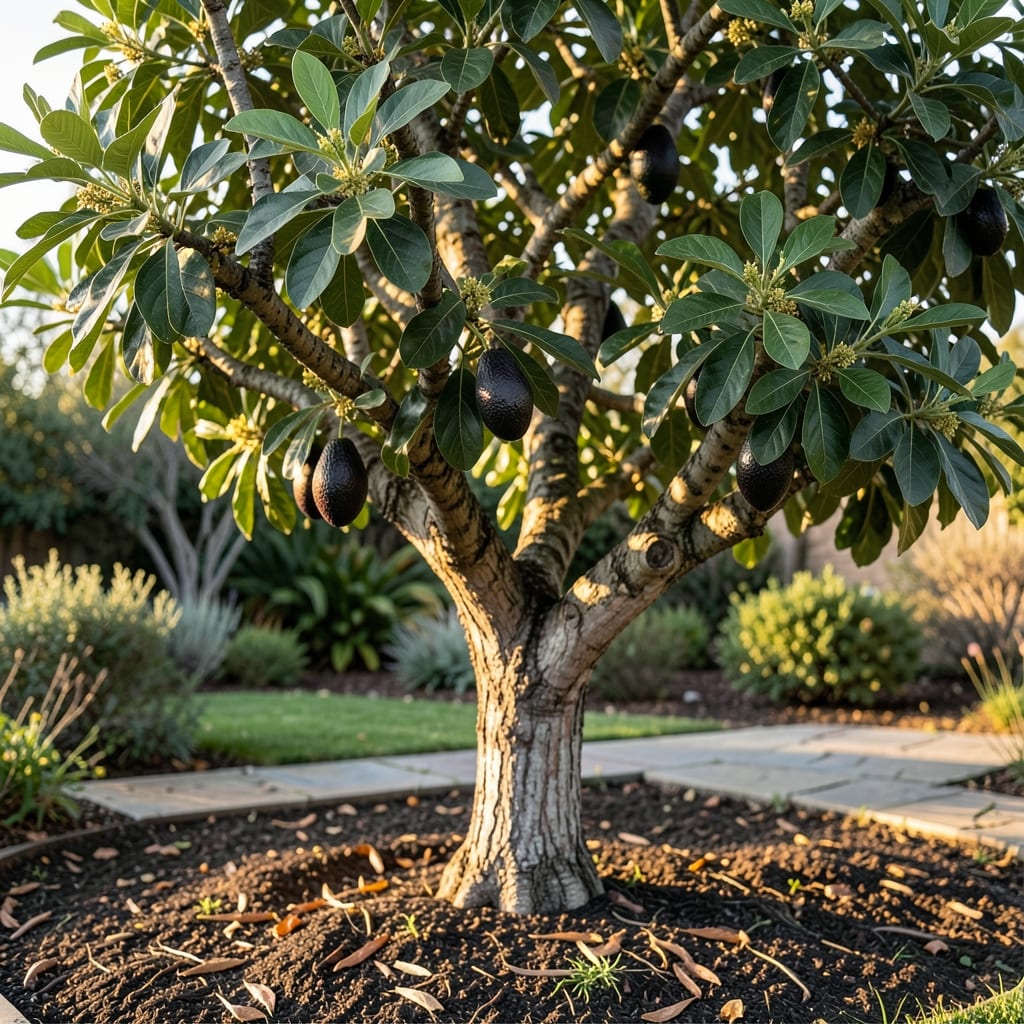
If you’ve ever wondered how tall an avocado tree can grow in your backyard, you’re not alone. The truth is, these tropical trees can reach staggering heights—some varieties soaring over 80 feet in perfect conditions, while others stay manageable with the right care.
But here’s the catch: your avocado’s ultimate height depends on more than just luck. Genetics play a huge role—dwarf varieties stay compact, while standard types stretch toward the sky. Climate, soil quality, and even pruning techniques all influence how tall your tree grows over time.
In this guide, I’ll break down exactly how tall avocado trees grow by variety, how your local climate affects their size, and the simple pruning tricks to keep them at your ideal height—whether you want a patio-friendly shrub or a full-sized orchard star.
Ready to discover which avocado types fit your space and how to nurture them for maximum growth? Let’s dive in.


Avocado tree height by variety: from dwarf to giant sizes
If you're dreaming of growing avocado trees but worried about space, don't panic! The height of an avocado tree depends heavily on its variety. While some varieties reach 40+ feet in ideal conditions, others stay compact enough for patio gardens or containers. Let's explore the most popular avocado varieties and their mature height ranges.
First, understand that avocado trees are evergreen and grow continuously in warm climates. The rootstock (the tree it's grafted onto) plays a huge role in determining final height. Dwarf varieties are often grafted onto dwarfing rootstock to keep them manageable, while standard varieties grow much taller. Here's what you need to know about the most common varieties:
🥑
The Hass variety, the most popular in the U.S., comes in both standard and dwarf forms. A standard Hass tree can reach 40 feet or more, while a dwarf Hass stays between 16-20 feet. This makes dwarf varieties perfect for container growing or small yards, while standard varieties thrive in orchards or large properties.
If you're limited on space, consider the Wurtz variety, which is naturally compact and often used for container gardening. Even in pots, these trees can produce fruit, though yields may be smaller than their full-sized counterparts. Just ensure your container is at least 18 inches in diameter and has drainage holes.
For those with medium-sized yards, the Fuerte and Reed varieties are excellent choices. They strike a balance between height and manageability, typically reaching 25-35 feet at maturity. These varieties also tend to have faster growth rates in the first few years, making them rewarding for patient gardeners.
Regardless of variety, remember that proper pruning and spacing are key to managing height. Even standard varieties can be kept smaller with regular structural pruning, though this may reduce fruit production slightly. Always research the rootstock of your tree, as this significantly influences final height.
🌱
Avocado trees are long-lived, with some specimens living for 100+ years in ideal conditions. This means your height management decisions today will impact your garden for decades. Choose a variety that fits your space now, but also consider how it might grow over time. For example, a 16-foot dwarf Hass today could reach 20 feet in just a few years.
One common misconception is that all avocado trees grow equally tall. In reality, the difference between a dwarf and standard variety can be 20+ feet. Always check the grafting details when purchasing a tree, as nurseries often sell "dwarf" trees that are actually semi-dwarf
How climate zones affect avocado tree height and growth speed
Your avocado tree’s height potential isn’t just about its variety—it’s also heavily influenced by your climate zone. Avocados thrive in USDA zones 8-11, but within that range, temperature fluctuations, frost risk, and seasonal patterns dramatically impact how tall your tree grows and how quickly it reaches maturity.
In tropical climates (zones 10-11), avocado trees grow 2-3 times faster than in cooler zones. The lack of frost means continuous growth, allowing varieties like Hass to reach 40+ feet in just 10-15 years. Meanwhile, in zone 8, where winters dip near freezing, growth slows dramatically, and trees may only reach half their potential height.
🌡️
In zone 11, where temperatures rarely drop below 40°F, avocado trees grow 3-4 feet per year in their prime. This rapid growth allows standard varieties to reach mature height in as little as 10 years. In contrast, zone 8 gardeners often see growth rates drop to 1-2 feet per year, with trees taking 20+ years to reach even 20 feet.
Frost is the biggest enemy of avocado height. Even a single 28°F night can kill young trees, while mature trees may survive but suffer stunted growth for years afterward. If you live in zone 8 or cooler, choose dwarf varieties or use microclimate protection like windbreaks and mulch to maximize growth potential.
Seasonal growth patterns also vary by zone. In tropical zones, avocados grow year-round, while in cooler zones, they enter dormancy in winter. This dormancy period can reduce annual height gain by 30-50%. For example, a Hass tree in zone 10 might grow 3 feet in spring and 1 foot in winter, while the same tree in zone 8 could grow 1 foot total due to cold stress.
🌿
To maximize height in cooler climates, focus on soil warmth and winter protection. Use black plastic mulch or row covers to keep roots warm, and apply thick mulch layers to insulate the soil. Even small improvements in microclimate can boost growth by 20-30%, helping your tree reach its genetic potential faster.
One final tip: container-grown avocados in cooler zones often grow slower than in-ground trees because pots dry out faster and roots can’t regulate temperature as well. If you’re growing in containers, use large pots (18+ inches) with insulated growing mediums to mimic in-ground conditions.