
Size
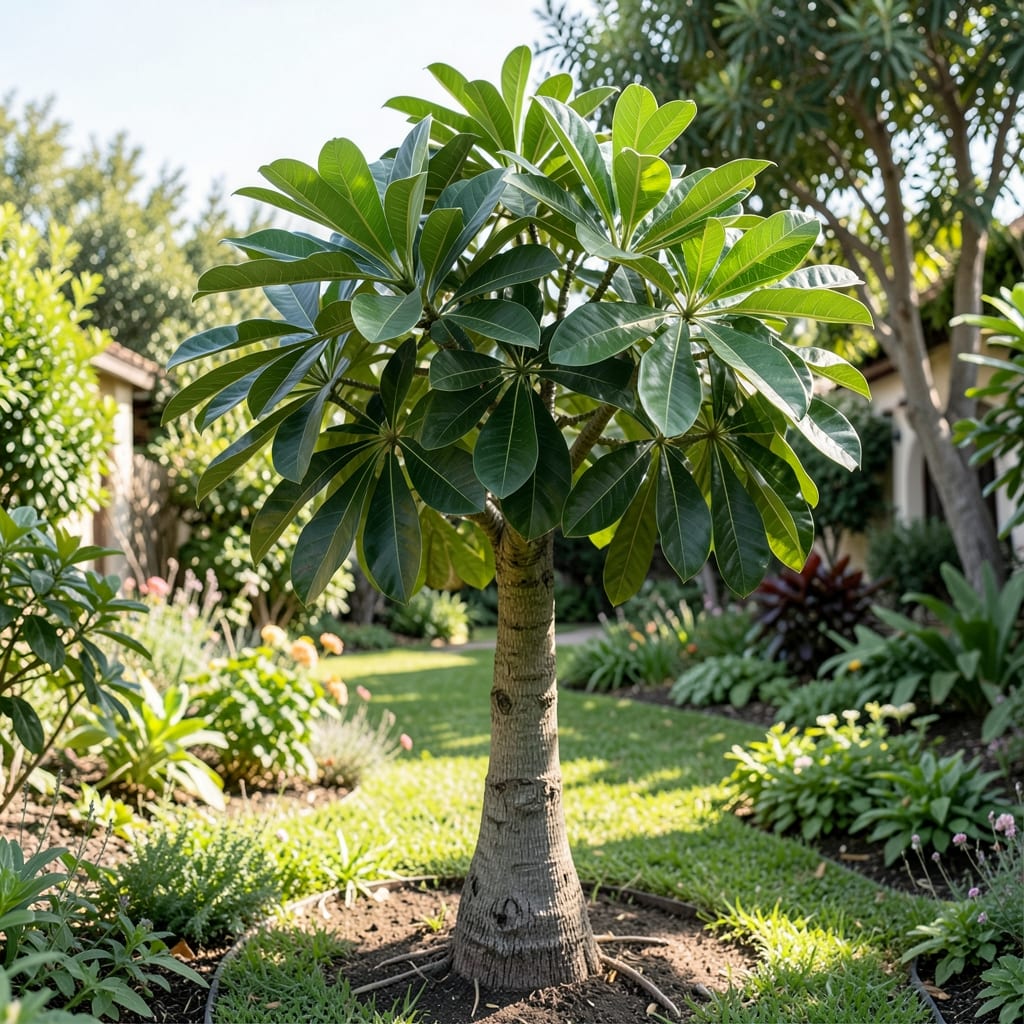
Wondering how tall can a money tree grow indoors before it turns your living room into a tropical jungle? Your 💰 plant’s height isn’t just about luck—it’s a mix of variety, care, and a few clever growth hacks you might not know yet.
Standard money trees can stretch toward 10 feet with the right conditions, while dwarf varieties stay cozy at just 2-3 feet. The key? Light, pot size, and pruning techniques that most plant parents overlook. I’ll show you exactly how to control your money tree’s growth—whether you want a floor-to-ceiling statement piece or a compact desk buddy.
Think braiding your money tree will stunt its growth? Think again. We’ll debunk common myths and reveal the real factors that determine height, like humidity levels and root space. Plus, I’ll share my top tricks for keeping leggy stems in check without sacrificing those lush, lucky leaves.
Ready to transform your money tree from a slow-growing afterthought into a thriving centerpiece? Let’s dive into the secrets behind its vertical potential—and how to shape it to fit your space perfectly.

Money tree height by variety: indoor growth expectations explained
Your money tree’s (Pachira aquatica) height indoors isn’t one-size-fits-all—it depends entirely on the variety you’ve chosen. Standard money trees can reach 6-10 feet with ideal care, while dwarf varieties stay between 2-3 feet. The braided version? Same height potential, but the braiding process doesn’t affect growth—it’s purely aesthetic.
I’ve seen money trees in my own collection hit 8 feet within 3 years when given bright, indirect light and consistent care. The key difference between varieties lies in their natural growth rate and how they respond to indoor conditions. Let’s break down what to expect from each type.
Here’s a quick comparison of the most popular money tree varieties and their typical indoor heights:
| Variety | Indoor Height Range | Growth Rate (Per Year) | Special Notes |
|---|---|---|---|
| Standard Money Tree | 6–10 ft | 1–3 ft | Fastest grower; needs pruning to control height. |
| Braided Money Tree | 6–10 ft | 1–2 ft | Braiding doesn’t stunt growth; purely decorative. |
| Dwarf Money Tree | 2–4 ft | 6–12 in | Genetically slower-growing; ideal for small spaces. |
| Mini Money Tree | 1–2 ft | 3–6 in | Best for desks or shelves; requires frequent pruning. |
If you’re wondering why your money tree isn’t hitting these heights, it’s likely due to light limitations or root-bound conditions. Money trees thrive in bright, indirect light—think east-facing windows or a few feet from a south-facing window with sheer curtains. Without enough light, growth slows dramatically, and stems become leggy and weak.
Another factor? Pot size. Money trees grow faster when slightly root-bound, but if you keep them in a too-large pot, they’ll focus energy on filling the space rather than growing upward. I’ve found that 12-inch pots work well for standard varieties, while dwarf types do best in 8-inch pots or smaller.
Pro tip: Check the stem thickness of your money tree. Thicker stems indicate faster growth potential, while thin, spindly stems mean it’s struggling. If yours is on the thinner side, it’s time to adjust your light exposure or fertilizer schedule.
One common misconception is that braiding a money tree will stunt its growth. In reality, the braiding process—where stems are woven together—doesn’t affect height at all. It’s purely a training technique to create a decorative look. However, if you braid too tightly, you might accidentally restrict growth, so always leave room for the stems to thicken naturally.
For those with limited ceiling height, consider pruning your money tree annually to maintain a manageable size. I’ll share my go-to pruning techniques in the next section, but for now, remember: regular pruning not only controls height but also encourages a fuller, bushier plant with more leaves.
🌱
Money tree height by variety: indoor growth expectations explained
Your money tree’s indoor height isn’t one-size-fits-all—it hinges on the specific variety you’ve chosen. Standard money trees (Pachira aquatica) can reach 6-10 feet indoors with ideal care, while dwarf varieties stay compact at 2-3 feet. The key difference? Genetics and growth habits shaped by breeders to fit different spaces.
Even within the same species, braided money trees (like the popular 5-strand variety) follow the same height ranges but grow 10-20% slower due to the energy required for braiding. Don’t let marketing labels fool you—some "dwarf" varieties sold online are simply young standard plants mislabeled for quick sales.
💰 Money Tree Variety Height Guide
| Variety | Mature Height (Indoors) | Growth Rate | Notes |
|---|---|---|---|
| Standard Money Tree | 6-10 ft | Moderate (1-2 ft/year) | Fastest-growing variety; needs pruning to control height |
| Braided Money Tree (5-strand) | 5-8 ft | Slow (6-12 in/year) | Braiding slows growth; braid strength weakens after 3-4 ft |
| Dwarf Money Tree | 2-3 ft | Very Slow (3-6 in/year) | Genetically stunted; ideal for small spaces |
| Variegated Money Tree | 4-7 ft | Moderate (8-12 in/year) | Slower growth due to energy spent on leaf color |
Pro tip: Check your plant’s leaf size—larger leaves often signal a faster-growing variety. My 7-foot braided money tree has leaves the size of my palm, while my dwarf variety’s leaves stay the size of quarters. This visual cue helps predict future height before you commit to a pot!
Light exposure plays a sneaky role in height too. Money trees grown in low-light conditions (like north-facing windows) stretch 20-30% taller as they reach for sunlight. This "legginess" isn’t just unsightly—it weakens the stem. I’ve seen 3-foot plants become 5-foot lanky poles in just 6 months when moved to dim corners.
Pot size matters more than most gardeners realize. Root-bound money trees grow 3x faster in height because they’re desperate for space. That’s why I repot mine every 2 years—not because they’re crowded, but to control vertical growth. A pot that’s 2-3 inches larger in diameter than the root ball keeps them bushier.
Want your money tree to stay under 4 feet? Prune the top 2-3 inches in early spring before growth spikes. I prune mine annually, and it’s stayed a perfect 3-foot desk centerpiece for 3 years. The secret? Use sharp, sterilized scissors and apply cinnamon to cuts to prevent disease—trust me, it works!