
Trees
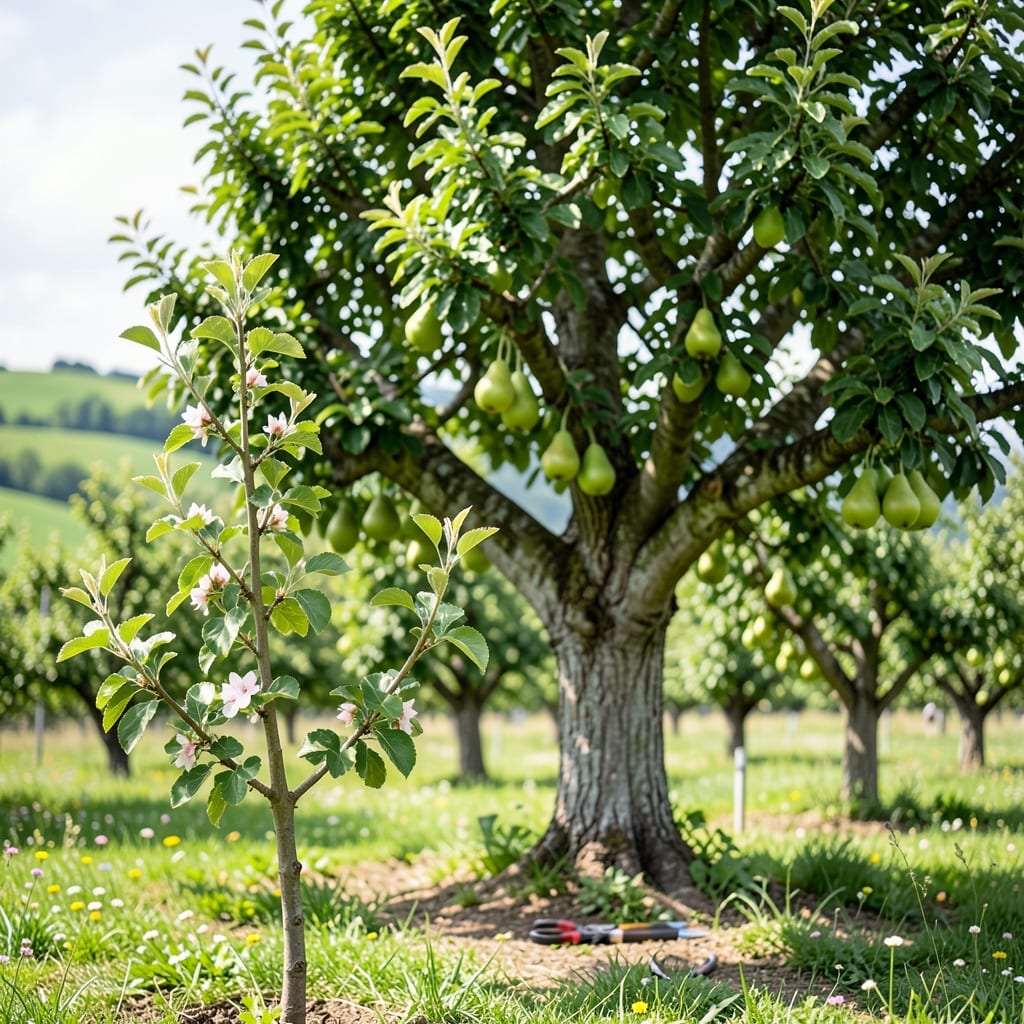
If you’ve ever wondered how tall a pear tree can grow, you’re not alone. The height of these trees can vary wildly—from compact 8-foot dwarfs to towering giants that reach over 50 feet—depending on the variety and how you care for it.
Choosing the right size isn’t just about aesthetics; it’s about maximizing fruit production while keeping maintenance manageable. Whether you’re working with limited space or aiming for a backyard orchard, understanding the growth potential of pear trees is the first step to making an informed decision.
In this guide, I’ll break down the mature heights of popular varieties—from space-saving dwarfs to traditional standards—and share proven pruning techniques to control growth. You’ll learn how climate, soil, and even your pruning habits can influence how tall (or short) your tree becomes.
Ready to pick the perfect pear tree for your space? Let’s dive into the details so you can enjoy fresh fruit without sacrificing your yard—or your sanity.

Mature heights of popular pear tree varieties: dwarf to standard sizes
Pear trees come in three main height categories: dwarf, semi-dwarf, and standard, each with distinct mature heights that directly impact your garden layout. The dwarf varieties typically reach 8 to 12 feet, making them perfect for small backyards or even large containers.
If you have a bit more space, semi-dwarf pear trees grow to 12 to 18 feet, striking a balance between manageable size and higher fruit production. These are ideal for suburban gardens where you want a tree that’s easier to prune and harvest than a full-size variety.
For those with ample yard space, standard pear trees can soar to 20 to 50 feet, creating a stunning focal point but requiring more maintenance and careful planning. These giants are often found in orchards or large estates where their dramatic height adds to the landscape’s charm.
🌱
The climate zone also plays a role in how tall your pear tree grows. In warmer regions like USDA Zones 7-9, pear trees tend to grow faster and reach their mature height sooner. In cooler zones like Zones 5-6, growth may be slower, but with proper care, they’ll still achieve their full potential height.
For example, the 'Bartlett' pear, a semi-dwarf variety, thrives in Zones 5-9 and typically matures at 15 feet with regular pruning. Meanwhile, the 'Seckel' pear, a standard variety, can grow up to 40 feet in ideal conditions but may stay shorter in less favorable climates.
Another factor is the rootstock used during grafting. Dwarf rootstocks like Quince C restrict growth, while semi-dwarf rootstocks like OhxF 87 allow for moderate height. Understanding these details helps you select a tree that fits both your space and your long-term gardening goals.
When planning your garden layout, consider not just the tree’s height but also its spread. A standard pear tree can have a canopy width of 20 to 30 feet, while dwarf varieties stay compact at 8 to 12 feet wide. This spread affects how close you can plant other trees, shrubs, or even a patio.
🌳
If you’re still unsure which variety to choose, start with a semi-dwarf pear tree—they offer a great compromise between manageable size and abundant fruit production. For container gardening, opt for a dwarf variety like 'Hooded Delicious', which can thrive in a 20-gallon pot with proper care.
Remember, even standard trees can be pruned to control height, but they’ll always require more effort. The key is to match your tree’s growth potential with your available space and maintenance capacity for a harmonious garden.
Mature heights of popular pear tree varieties: dwarf to standard sizes
Pear trees come in a stunning range of sizes, from dwarf varieties perfect for containers to standard trees that can dwarf your two-story home. The key to choosing the right size lies in understanding how each category grows and what your space can accommodate.
Dwarf pear trees typically mature between 8 to 12 feet, making them ideal for small backyards, urban gardens, or even large pots. These compact trees produce fruit just like their larger counterparts but require less space and maintenance. Semi-dwarf varieties grow 12 to 18 feet, striking a balance between manageable size and generous yields.
Standard pear trees, on the other hand, can reach heights of 20 to 50 feet when fully mature. These majestic trees are perfect for spacious rural properties or orchards, but they demand more room, pruning attention, and long-term planning. The variety you choose will directly impact not just height but also fruit production, disease resistance, and ease of care.
| Variety Type | Mature Height | Space Needs | Best For |
|---|---|---|---|
| Dwarf | 8–12 ft | Small yards, containers | Urban gardens, patios |
| Semi-Dwarf | 12–18 ft | Moderate backyards | Family orchards, medium spaces |
| Standard | 20–50 ft | Large properties | Orchards, rural settings |
Popular dwarf varieties like 'Hooded Delight' or 'Moonglow' thrive in containers and produce fruit within just a few years. Semi-dwarf favorites such as 'Bartlett' or 'Seckel' offer a middle ground, delivering abundant harvests without overwhelming your space. For traditionalists, classic varieties like 'Anjou' or 'Bosc' showcase the full grandeur of standard-sized pear trees.
Climate plays a crucial role in how tall your pear tree grows. Cooler regions may see slower growth, while warmer climates can accelerate height increases. Always check the USDA hardiness zone recommendations for your chosen variety to ensure optimal growth and fruit production. For example, 'Bartlett' pears thrive in zones 5–9, while 'Seckel' adapts well to zones 4–8.
Soil quality and drainage also influence height. Pear trees prefer well-draining, slightly acidic soil (pH 6.0–7.0) to prevent root rot and encourage vigorous growth. Amending heavy clay soils with compost or sand can make a significant difference in how tall and healthy your tree becomes over time.
Ready to pick the perfect pear tree for your space? With the right variety and care, you can enjoy fresh fruit without sacrificing your yard—or your sanity. The key is matching your space and climate to the tree’s growth potential, ensuring a harmonious balance between beauty and productivity.