
Size
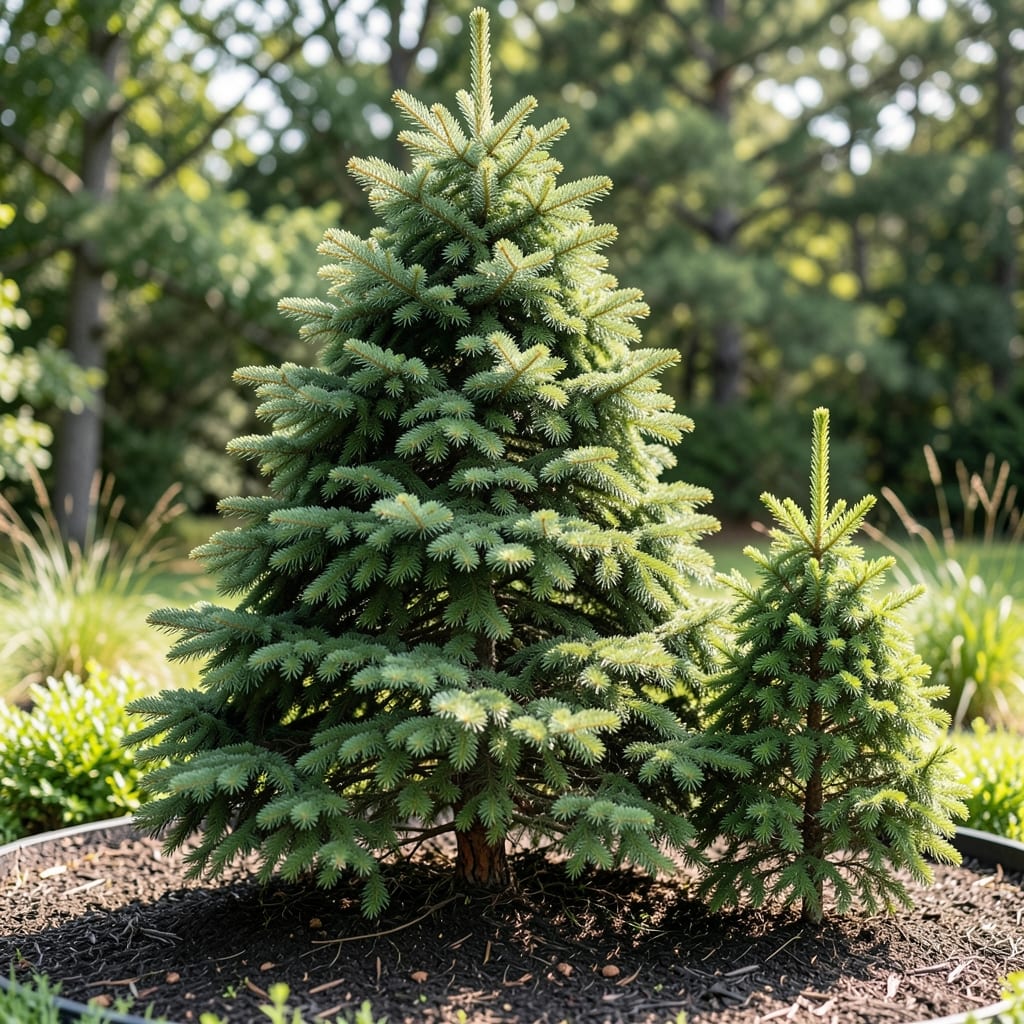
Wondering how tall arborvitae grow before committing to one for your yard? These evergreen trees can range from compact shrubs to towering giants—depending on the variety and growing conditions. Whether you're dreaming of a 10-foot privacy screen or a 60-foot statement tree, knowing the right type for your space is key.
Some arborvitae varieties, like the Green Giant, can reach heights of 40-60 feet, making them perfect for large properties or privacy hedges. But if you're working with limited space, dwarf varieties like Emerald Green stay between 12-15 feet, ideal for small yards or urban gardens. The key to controlling their height lies in proper planting, sunlight, and pruning techniques.
In this guide, I’ll break down the mature heights of popular arborvitae types, share space-saving tips to keep them manageable, and explain how sunlight, soil, and pruning affect their growth. By the end, you’ll know exactly which variety fits your yard—and how to keep it looking its best.
Ready to transform your outdoor space with the perfect 🌲 arborvitae? Let’s dive into the details so you can make an informed choice that works for your landscape and lifestyle.

Arborvitae height guide: mature sizes by variety (with space-saving picks)
Arborvitae trees are prized for their year-round greenery and versatile heights, making them perfect for privacy screens, hedges, or focal points. But not all arborvitae grow to the same towering heights—some stay compact enough for small yards while others reach storybook proportions. Understanding these differences helps you choose the perfect fit for your space.
The mature height of an arborvitae depends entirely on its variety. Some dwarf types top out at just 3-4 feet, while others stretch toward 60 feet—taller than a two-story house! Below, we break down the most popular varieties by size, so you can pick one that matches your yard’s dimensions and design goals.
Pro Tip: Always check the mature height label when buying, as nursery tags often list the expected height at 10 years—not full maturity. A 3-foot dwarf at purchase could still grow 2 feet taller over time!
For small yards or urban gardens, focus on the dwarf varieties like Dwarf Blue Star or American Plum. These stay under 5 feet and thrive in containers, making them ideal for patios or balconies. Meanwhile, the Green Giant is a powerhouse for privacy screens, growing 3 feet per year in ideal conditions.
Most arborvitae reach 50% of their mature height within the first 5–7 years. For example, a Green Giant planted at 3 feet tall could hit 15–20 feet by year 5—so plan accordingly if you’re planting near structures or power lines. Always check local planting codes to avoid future headaches!
Did you know? Arborvitae grow slowest in winter and fastest in spring. If you’re pruning for height control, late winter or early spring is the best time to trim—just before new growth begins. This ensures you don’t accidentally stunt their growth by cutting too late in the season.
When choosing an arborvitae, consider not just height but also width. Some varieties, like the Emerald Green, spread 3–4 feet wide, while others stay narrow. For tight spaces, opt for columnar types like American Plum, which grow 2–3 feet wide at maturity.
If your yard has limited sunlight, avoid the Green Giant—it needs full sun to reach its full height. Instead, try the Emerald Green, which tolerates partial shade and still grows 12–15 feet tall. Always match your variety to your light conditions for the best results.
For fast-growing privacy, nothing beats the Green Giant. But if you’re patient and want a low-maintenance option, the American Plum grows steadily without needing frequent pruning. Both are deer
Arborvitae height guide: mature sizes by variety (with space-saving picks)
Choosing the right arborvitae variety depends entirely on your space and design goals. Some varieties grow into towering 60-foot giants, while others stay compact at just 8 feet tall. The key is matching the mature height to your yard’s dimensions—whether you need a privacy hedge or a low-maintenance shrub.
For example, the Green Giant arborvitae is a popular choice for privacy screens, reaching 40-60 feet at maturity. But if you’re working with limited space, the Emerald Green variety tops out at 12-15 feet, making it perfect for small yards or urban gardens. Even dwarf varieties like American Plum stay under 8 feet, ideal for container gardening or foundation plantings.
Here’s a quick comparison of the most common arborvitae varieties and their mature heights to help you visualize their scale:
| Variety | Mature Height | Best For | Growth Rate |
|---|---|---|---|
| Green Giant | 40-60 ft | Privacy screens, large properties | 12-18 in/year |
| Emerald Green | 12-15 ft | Small yards, hedges | 6-12 in/year |
| American Plum | 8-12 ft | Containers, foundation plants | 4-8 in/year |
| Leap Year | 20-30 ft | Medium yards, hedges | 10-15 in/year |
| Golden Globe | 3-4 ft | Borders, containers | 2-4 in/year |
The growth rate of arborvitae varies by variety, but most reach 50% of their mature height within the first 5-10 years. For instance, a Green Giant might hit 20-30 feet by year 10, while a Golden Globe stays under 4 feet even after decades. This makes planning critical—especially if you’re installing them near structures or power lines.
Pro tip: Always check the USDA hardiness zone for your region, as some varieties (like American Plum) thrive in Zones 3-7, while others (like Emerald Green) prefer Zones 4-8. Planting the wrong type can stunt growth or lead to poor health.
Need a space-saving solution? Dwarf varieties like Golden Globe or American Plum are my go-to for small spaces—they offer the same evergreen beauty without the towering height. Plus, their slower growth means less pruning over time.