
How To
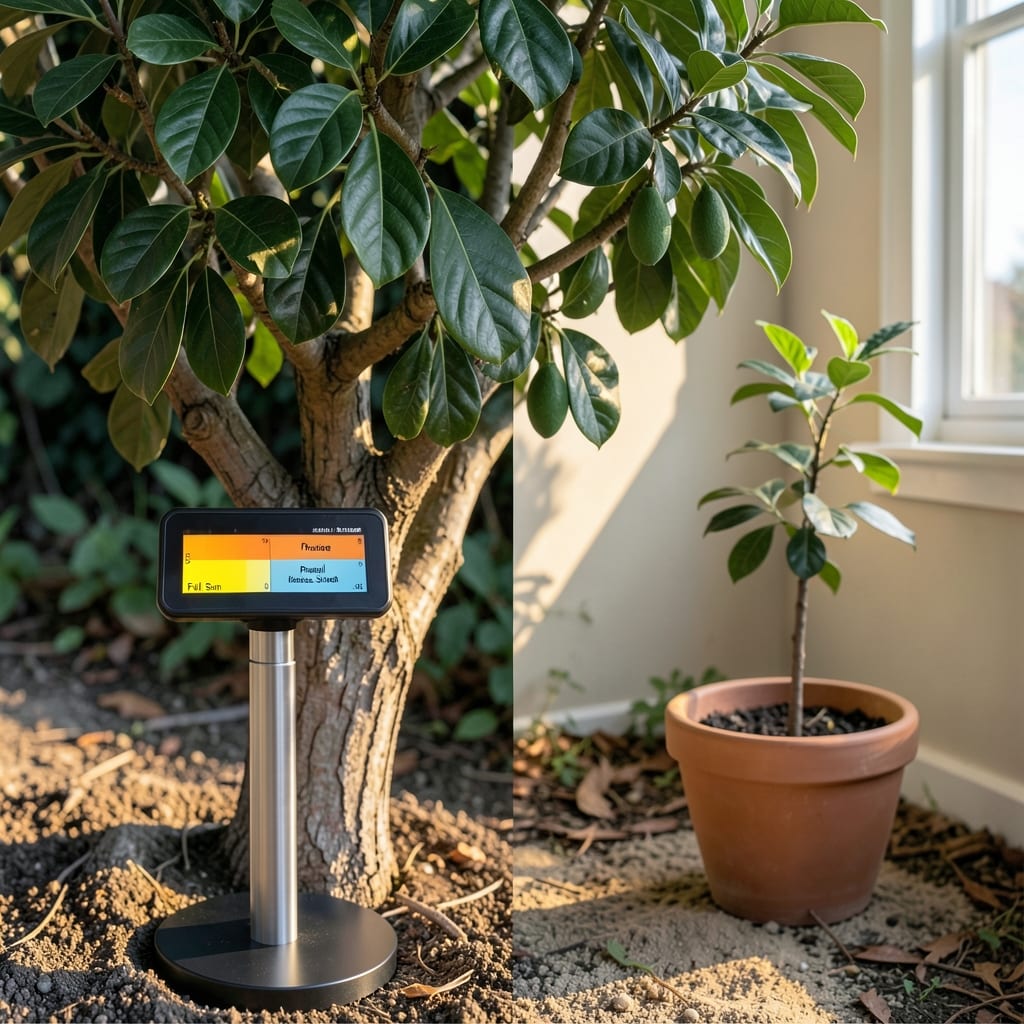
If you're wondering how much light does an avocado plant need, the answer isn’t just any sunlight—it’s bright, indirect light for 6-8 hours daily. Too much harsh sun scorches those leaves, while too little leaves your plant stretching pitifully toward the window like a sleepy cat.
Most gardeners assume avocados are low-maintenance sunbabies, but they're actually fussy about their light. In USDA Zone 6a, outdoor plants need spring sunshine (April-May planting window) but can't handle afternoon intensity. Indoors? A south-facing window or grow lights become your best friends when natural light falls short.
Here's the game-changer: I'll show you how to spot light stress (yellow leaves? That's your plant screaming for help) and adjust your setup in 3 simple steps. Whether you're dealing with leggy stems or crispy edges, we'll fix it—no green thumb required.
Let's turn that struggling sapling into a lush, fruit-bearing tree. Your avocado's future depends on getting this right—and it's easier than you think.

Optimal light requirements for avocado plants: indoor vs outdoor lighting guide
Avocado trees (Persea americana) are tropical plants that crave bright, indirect sunlight to thrive. In their natural habitat, they grow under the canopy of other trees, receiving filtered light. Replicating this environment is key—whether you're growing a container avocado indoors or planting one outdoors.
Outdoor avocado plants need 6-8 hours of direct sunlight daily, but they can tolerate partial shade in hot climates to prevent leaf scorch. Indoors, place your plant near a south-facing window for maximum natural light exposure. Without enough light, your avocado will grow leggy and weak, with sparse foliage.
If you're growing an avocado in a container indoors, supplement natural light with a grow light (LED or fluorescent) for 12-16 hours per day. Position the light 6-12 inches above the plant and adjust as it grows. Avoid placing your avocado in a dark corner, as this will stunt its growth and prevent fruiting.
For outdoor avocados, choose a location with morning sun and afternoon shade to protect the leaves from intense afternoon rays. In USDA Zones 10-11, avocados can grow year-round outdoors, while in cooler zones, they must be container-grown and moved indoors during winter.
Young avocado plants (first 2-3 years) are more sensitive to light changes, so gradually acclimate them to full sun exposure over a few weeks. Sudden exposure to direct sunlight can cause sunburn on leaves, turning them yellow or brown at the edges.
| Condition | Outdoor Avocado | Indoor Avocado |
|---|---|---|
| Sunlight Needs | 6-8 hours direct sun | South-facing window + grow light |
| Best Location | Morning sun, afternoon shade | Near brightest window |
| Light Intensity | Full sun to partial shade | Bright indirect light |
| Grow Light Needs | None (natural light sufficient) | LED or fluorescent, 12-16 hrs/day |
| Signs of Too Little Light | Leggy growth, pale leaves | Slow growth, sparse foliage |
| Signs of Too Much Light | Brown leaf edges, wilting | Leaf scorch, crispy edges |
Avocados grown in containers often need more frequent light adjustments because their root systems are limited. Rotate your pot quarter-turns every few weeks to ensure even light exposure on all sides. This prevents the plant from leaning toward the light source, which can cause uneven growth and weak stems.
In hot climates, avocados can suffer from heat stress even with full sun. Provide afternoon shade using a lightweight shade cloth (30-50%) to protect the leaves. This is especially important for young trees or newly planted avocados still establishing their root systems.
If you notice your avocado’s leaves turning yellow or brown, it could indicate either too much direct sun or insufficient light. Check the leaf texture—crispy, dry edges mean sunburn, while soft, pale leaves signal light deficiency. Adjust the plant’s position accordingly and monitor for improvement over 1-2 weeks.
For indoor growers, a south-facing window is ideal, but east or west windows can work if supplemented with a grow light. Avoid north-facing windows, as they provide minimal light, leading to weak, spindly growth. If your home lacks natural light, invest in a full-spectrum LED grow light to mimic sunlight.
Remember, avocados are slow growers—it can take 3-5 years for a tree to produce fruit. Providing the right light conditions from the start ensures your avocado grows strong and healthy, setting the stage for a bountiful harvest. 🌱
Signs your avocado plant isn’t getting enough (or too much) light
Your avocado plant communicates its light needs through leaf color and growth patterns. If you notice long, spindly stems with small, pale leaves, your plant is stretching toward light—a condition called etiolation. This happens when avocados don’t receive enough bright indirect light for 6+ hours daily. The plant prioritizes reaching light over growing strong foliage, leaving it vulnerable to pests and disease.
Another red flag is yellowing leaves, starting at the bottom. While this can signal overwatering, check the leaf texture: if they’re also soft and thin, insufficient light is likely the culprit. Your avocado’s leaves need sunlight to produce chlorophyll, and without it, they can’t sustain themselves. Move your plant closer to a south-facing window or add a grow light immediately to prevent further decline.
🌱 Too Little Light (Under-Exposure)
Stems stretch excessively toward light source.
Lack of chlorophyll from insufficient sunlight.
Plant conserves energy instead of growing.
Fewer leaves due to limited energy production.
☀️ Too Much Light (Over-Exposure)
Leaf scorch from intense direct sunlight.
Leaves dry out and become brittle.
Plant loses moisture faster than roots can absorb.
White or yellow patches on leaf surface.
Outdoor avocados in hot climates often show sunburn symptoms on leaves facing west or south. The intense afternoon sun (especially in USDA Zones 9-11) can cause leaf scorch within hours. If you see brown, crispy edges, move your plant to a location with morning sun and afternoon shade. A 30-50% shade cloth works wonders for protecting young leaves while still allowing light penetration.
For indoor avocados, the issue is usually insufficient light rather than too much. If your plant is near a window but still struggling, the problem might be glass filtering UV rays. Try rotating the pot quarter-turns weekly to ensure even light exposure. If natural light is lacking, supplement with a 12-hour grow light cycle using a full-spectrum LED bulb. Position the light 6-12 inches above the plant to mimic natural sunlight.
Pro tip: Use your hand as a light meter. Hold it near your avocado’s leaves—if you can barely see your fingers through the foliage, it’s getting enough bright indirect light. If you can read a book easily, move the plant closer to a sunny window or add artificial lighting. This simple trick helps you gauge light intensity without guesswork.
Remember, avocados are slow to show recovery from light stress. It may take 2-4 weeks to see improvement after adjusting light conditions. During this time, reduce fertilizer use to avoid overloading the plant while it recovers. With the right light balance, your avocado will reward you with dark green, glossy leaves and eventually, delicious fruit. 🌿