
How To
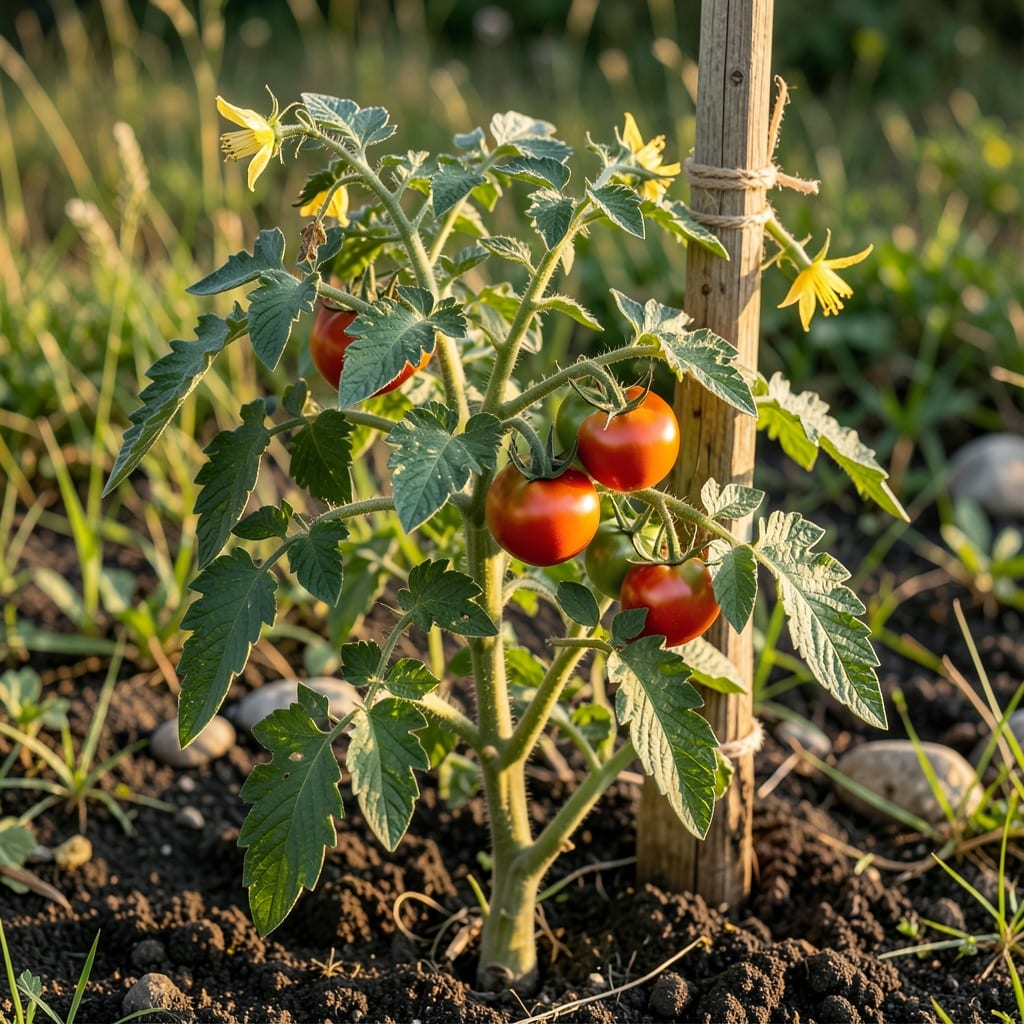
Tomato plant light requirements: the 6-8 hour rule explained
Tomatoes are sun-loving plants, and their light needs are the foundation of a successful harvest. Without enough sunlight, they’ll grow tall and leggy, produce fewer fruits, and struggle to develop the sweet, flavorful tomatoes we all crave. The golden rule? 6 to 8 hours of direct sunlight daily—but there’s more to it than just counting hours.
Direct sunlight isn’t just about warmth; it’s about the intensity of light that drives photosynthesis, the process that turns sunlight into energy for your plants. Tomatoes need this energy to grow strong stems, lush foliage, and—most importantly—abundant, flavorful fruit. If your plants are in partial shade or indirect light, they’ll stretch toward the sun, a condition called etiolation, which weakens their structure and reduces yields.
Here’s the catch: light needs change as your tomato plants grow. Seedlings and young plants can handle 4 to 6 hours of light until they’re established, but once they start flowering and fruiting, they demand more. That’s when you’ll need to ensure they’re getting their full 6 to 8 hours of direct sun to support fruit development and prevent issues like blossom drop or poor flavor.
Many gardeners confuse partial sun with full sun, thinking a few hours of morning light will suffice. But tomatoes aren’t like shade-loving plants—they thrive when bathed in bright, unfiltered sunlight. Even a few hours of afternoon shade can reduce their ability to produce energy, leading to smaller, less flavorful tomatoes. If you’re growing in containers or on a balcony, this is especially critical, as shade from nearby buildings or trees can cut their sunlight short.
| Growth Stage | Sunlight Needs | Key Notes |
|---|---|---|
| Seedlings (Pre-Transplant) | 4-6 hours | Use grow lights if natural light is insufficient |
| Established Plants (Vegetative) | 6-8 hours | Full sun exposure for strong stems and leaves |
| Flowering & Fruiting | 8+ hours (ideal) | Critical for fruit set and sugar development |
| Container/Grow Bags | 6-8 hours (direct) | Rotate pots weekly for even light exposure |
Measuring sunlight accurately is easier than you think. Start by observing your garden space for a full day. Use a sunlight tracker or simply note the hours your plants receive direct light. If you’re unsure, place a white piece of paper near your plants—if the shadows are sharp and dark, it’s direct sunlight. If the shadows are faint or stretched, your plants are getting partial or indirect light, which won’t cut it for tomatoes.
Another common mistake? Assuming morning sun alone is enough. While morning sunlight is great for drying dew and reducing disease risk, tomatoes need afternoon sun too. The intensity of light peaks in the late morning and early afternoon, which is when your plants perform photosynthesis most efficiently. If your plants are only getting morning sun, they’ll struggle to produce the energy needed for strong growth and fruit development.
For gardeners in northern climates or during shorter summer days, supplementing with grow lights can make all the difference. LED grow lights designed for vegetables can provide the full-spectrum light tomatoes need, especially during cloudy periods or early/late in the season. I’ll cover the best options for supplemental lighting in the next section, but for now, focus on maximizing natural sunlight first.
If you’re growing tomatoes in containers or on a balcony, their light needs are just as critical. Place them in the sunniest spot possible, and rotate the containers weekly to ensure even growth. South-facing windows or balconies are ideal, but if that’s not an option, a south-facing wall or even a reflective surface (like a white wall) can help bounce extra light onto your plants.
Remember, tomatoes aren’t just about quantity—they’re about quality. The more sunlight they receive, the sweeter and more flavorful your tomatoes will be. So, whether you’re a seasoned gardener or just starting out, prioritize light, and you’ll be rewarded with a bountiful, delicious harvest all season long. ☀️🍅
Signs your tomato plants aren’t getting enough light (and how to fix it)
If your tomato plants look leggy and stretched, with long, thin stems and small, widely spaced leaves, they’re crying out for more light. This condition, called etiolation, happens when plants stretch toward any available light source, weakening their structure and reducing their ability to support fruit. The first sign? Your seedlings might fall over or lean dramatically toward the nearest window or sunlight gap.
Another red flag is poor fruit set. Tomatoes need plenty of energy to produce flowers and fruit, and without enough sunlight, they’ll either drop blossoms before they set or produce small, underdeveloped tomatoes. You might see fewer flowers or flowers that fail to develop into fruit, leaving you with sparse harvests despite your efforts. Even if fruit does form, it may be pale, mealy, or lacking flavor.
Check the leaves for clues—yellowing between the veins (a condition called chlorosis) is a classic sign of light deficiency. This happens because the plant can’t produce enough chlorophyll, the pigment responsible for capturing sunlight. If you notice older leaves turning yellow first, it’s often a sign of nutrient deficiencies caused by poor energy production, not just light issues.
- Leggy stems with weak structure
- Pale or yellowing leaves (chlorosis)
- Few or no flowers or blossom drop
- Small, poor-quality fruit or none at all
- Plants leaning or falling over
If you see 3+ of these signs, your tomatoes need more light—fast!
For container-grown tomatoes, light issues are even more critical because pots can’t move to seek sunlight. If your balcony or patio gets less than 6 hours of direct light, consider moving your containers to a sunnier spot or using a reflective surface (like a white wall or aluminum foil) to bounce extra light onto your plants. Rotate containers weekly to ensure even growth and prevent lopsided plants.
If you’re growing indoors near a window, watch for asymmetrical growth—plants will lean toward the light source, creating a one-sided, weak stem. To fix this, rotate your plants 180 degrees every few days so they grow straight and strong. South-facing windows are ideal, but even east or west windows can work if you supplement with grow lights during cloudy days or short winter months.
Don’t wait until your plants are struggling to act! Prevent light issues by choosing the sunniest spot in your garden or home, using light-colored containers (which reflect heat and light), and avoiding shade from trees or buildings. If you’re unsure about your space, invest in a sunlight tracker or simply observe your garden for a full day to map out the peak sunlight hours. Your tomatoes will thank you with stronger stems, more flowers, and juicier fruit! ☀️🌱