
Light Requirements
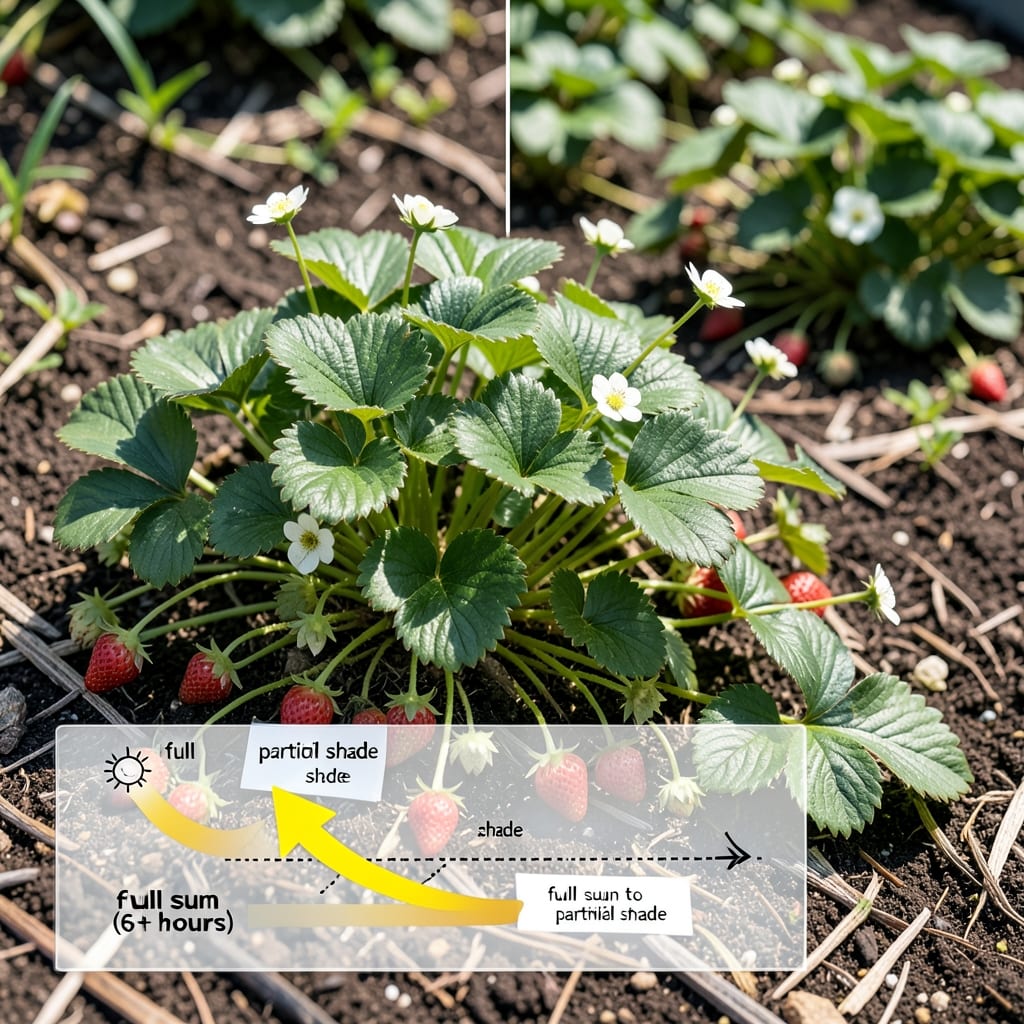
If you’ve ever wondered how much light does a strawberry plant need to thrive—or why your 🍓 strawberry plants produce tiny, bland berries—or worse, no berries at all—light might be the culprit. Strawberries are sun-hungry plants, and getting the balance just right is the difference between a bountiful harvest and a disappointing one. Too little light, and your plants stretch awkwardly, struggling to fruit. Too much, and they can scorch or become stressed.
Most gardeners assume strawberries need full sun, but the reality is more nuanced. Depending on your climate and the variety you’re growing, your plants might need anywhere from 6 to 10 hours of direct sunlight daily. In hotter zones like USDA Zone 6, afternoon shade can actually save your berries from burning, while cooler regions might benefit from extra morning light to kickstart growth.
Here’s the good news: with the right adjustments, you can optimize your strawberry plants’ light exposure to maximize sweetness and yield. I’ll walk you through how to spot light deficiencies, adjust for seasonal changes, and even supplement sunlight if your garden falls short. Let’s turn your strawberry patch into a berry-producing powerhouse.
Whether you’re a first-time gardener or a seasoned grower, understanding light is the key to healthier plants and juicier strawberries. Ready to learn the exact sunlight strategy your strawberries crave?

Optimal sunlight hours for strawberry plants by variety and growth stage
Strawberries are sun lovers, but not all varieties or growth stages require the same amount of light. The minimum is 6 hours of direct sunlight daily, but most gardeners see the best results with 8 to 10 hours. The key is balancing light exposure to prevent stress, especially in hot climates where afternoon shade can be a lifesaver. Let’s break down the ideal light conditions for each strawberry type and growth phase.
First, consider your strawberry variety. June-bearing strawberries need the most light—8+ hours—because they produce all their fruit in a single season. Everbearing and day-neutral varieties are more flexible, thriving with 6 to 8 hours of sunlight, but they’ll still reward you with bigger, sweeter berries if you push them closer to full sun.
Now, let’s talk growth stages. Young strawberry plants in their first year need 6 to 8 hours of light to establish strong roots and foliage. Once they’re established and flowering, they’ll demand 8 to 10 hours to set fruit properly. If you’re growing in containers or shaded areas, you’ll need to supplement their light—more on that later!
Seasonal adjustments are crucial, too. In summer months, strawberries in hot zones like USDA Zone 9 or 10 may benefit from afternoon shade (3–4 PM) to prevent scorching. In cooler climates like Zone 5 or 6, focus on maximizing morning sun to warm the soil and kickstart growth early in the season.
Here’s a quick rule of thumb: if your strawberries are stretching tall or producing small, pale berries, they’re begging for more light. Conversely, if the leaves look yellow or crispy, they’re getting too much intense sunlight, especially in peak afternoon heat.
| Variety | Growth Stage | Ideal Sunlight Hours | Seasonal Adjustments |
|---|---|---|---|
| June-bearing | Planting | 6–8 hours | Maximize morning sun in spring |
| June-bearing | Fruiting | 8–10 hours | Add afternoon shade in summer |
| Everbearing | All stages | 6–8 hours | Flexible; adapt to partial shade |
| Day-neutral | All stages | 6–8 hours | Tolerates partial shade better than others |
| All varieties | Winter dormancy | 3–4 hours (minimal) | Protect from frost; no active growth |
For container growers, position your pots in the sunniest spot you have, even if it’s only a balcony or patio. South-facing windows or decks are ideal, but if that’s not an option, rotate your containers every few days to ensure even light exposure. Strawberries are phototropic, meaning they’ll lean toward the light, so regular rotation keeps them balanced and healthy.
In shady gardens, avoid planting strawberries under tall trees or structures that cast deep shade. Instead, opt for dappled sunlight (filtered light through tree branches) or supplement with reflective surfaces like white walls or mirrors to bounce extra light onto your plants. Even a 10% increase in light can boost berry size and sweetness significantly.
Pro tip: If you’re in a high-altitude area (like 5,000+ feet), strawberries need more sunlight because the sun’s rays are less intense. Aim for 10+ hours of light in these conditions to compensate for the lower UV exposure. Monitor your plants closely—they’ll tell you if they’re happy or struggling!
Finally, remember that light quality matters too. Strawberries thrive under direct sunlight, but in extreme heat, diffused light (like through a sheer cloth) can prevent leaf burn while still providing enough energy for growth. The goal is to mimic their natural habitat in meadows and open fields, where they receive plenty of sunlight without constant scorching.
Signs your strawberry plants aren’t getting enough (or too much) light
Your strawberry plants might look healthy on the surface, but if they’re not getting the right amount of light, their growth will tell the story. One of the first signs of insufficient light is leggy, weak stems that stretch toward any available sunlight. These etiolated plants will have sparse, pale leaves and long distances between nodes, making them look like they’re reaching for a sunbeam. This isn’t just unsightly—it weakens the plant’s structure and reduces its ability to produce fruit.
Another red flag is small, pale berries that lack sweetness or flavor. Strawberries need plenty of sunlight to develop their signature bright red color and intense flavor compounds. If your berries stay greenish or white even when ripe, it’s a clear sign they’re not getting enough light to ripen properly. In extreme cases, the plant might bolt to flower prematurely, producing tiny, underdeveloped berries before the season peaks.
While strawberries love sunlight, excessive exposure—especially in hot climates—can cause leaf scorch. Look for brown or crispy edges on leaves, which indicate the plant is overheating. In extreme cases, the leaves may curl or wilt during peak afternoon heat. Even the berries can suffer, becoming sunburned (appearing as white or gray patches) or developing a harsh, bitter taste.
If your strawberries are in USDA Zone 8 or higher, providing afternoon shade (3–5 PM) with a lightweight shade cloth (30–50% shade) can prevent damage while still allowing plenty of morning sun.
Root issues can also reveal light problems. Strawberries with shallow root systems often struggle because they’re not getting enough energy from light to grow strong roots. Check the soil around your plants—if the roots are crowded or sparse, it’s another clue that the plant isn’t thriving due to poor light conditions. Conversely, overwatering combined with too much light can lead to root rot, so always pair sunlight adjustments with proper drainage.
Seasonal changes can also mask light deficiencies. In winter months, strawberries enter dormancy and require much less light, but if they’re still in active growth (like in everbearing varieties), they’ll show signs of stretching toward any available light. Pay attention to leaf color: dark green leaves indicate healthy light exposure, while yellowing or purpling leaves suggest stress from either too little or too much light.
To diagnose the issue, spend a few minutes observing your strawberry plants at different times of day. Note where the shadows fall—if your plants are consistently in shade for more than 4 hours daily, it’s time to relocate them. For container growers, try moving pots to a sunnier spot for a week and watch for improvements in leaf color and plant structure within 7–10 days. If the plants perk up, you’ve found your solution!
Remember, strawberries are resilient, and small adjustments can make a big difference. Whether it’s adding a reflective surface, trimming nearby trees, or supplementing with grow lights, giving your plants the right light balance will transform their growth—and your harvest—overnight. 🌱