
Companion Plants
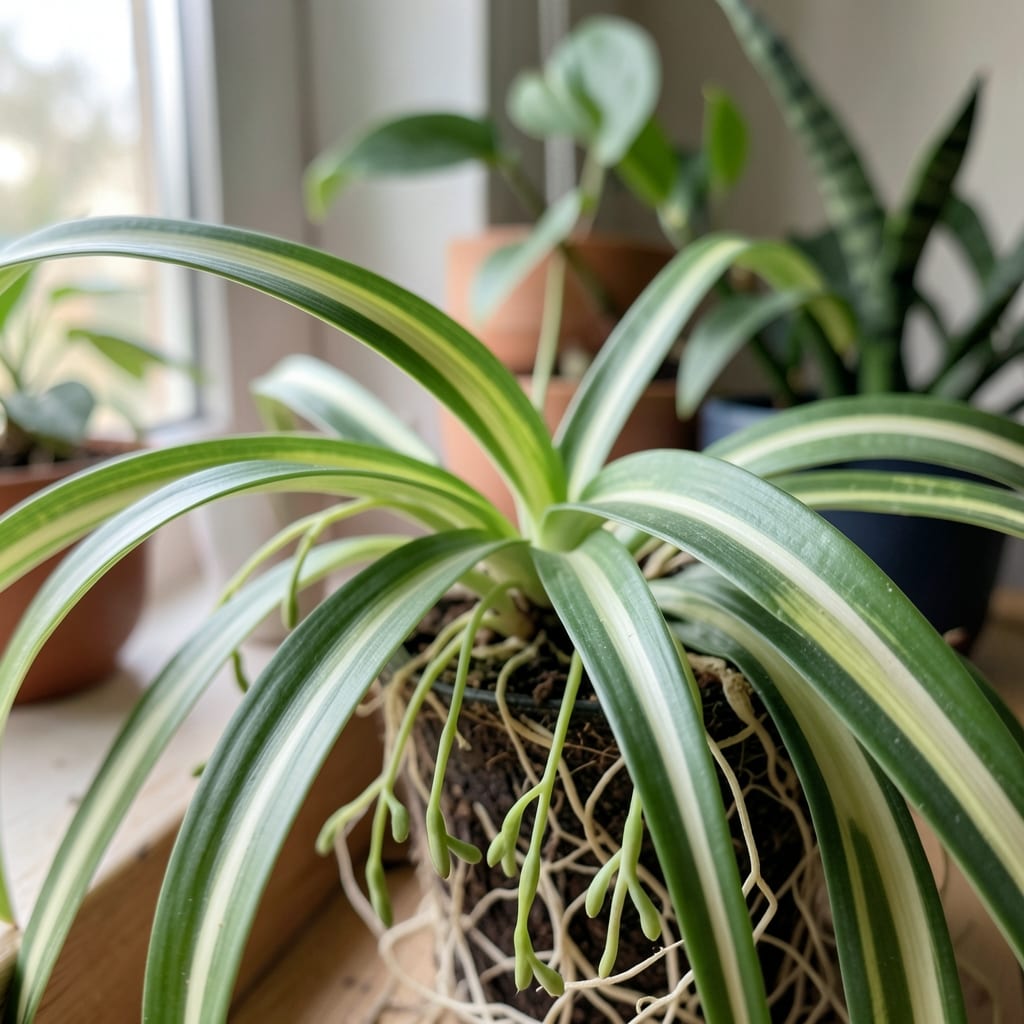
If you’ve ever wondered how much light does a spider plant require to stay vibrant and healthy, the answer might be simpler than you think—it’s all about light. This resilient houseplant isn’t picky, but getting its light needs right is the key to keeping it lush and thriving, even in less-than-ideal conditions.
Most people assume Spider Plants need bright sunlight, but the truth is, they’re far more adaptable. They’ll happily grow in bright indirect light, making them perfect for offices, bathrooms, or even those dim corners of your home. The secret lies in understanding how much light they actually need—and how to spot when they’re getting too much or too little.
In this guide, I’ll break down exactly how much light a Spider Plant requires, from the ideal bright indirect sunlight to the surprising ways they can thrive in lower light. You’ll also learn how to adjust their placement based on seasonal changes and fix common light-related issues before they become problems.
Whether you’re a plant newbie or a seasoned gardener, these tips will help your Spider Plant stay happy year-round—no green thumb required. Let’s get started!

Ideal light requirements for spider plants: bright indirect sunlight explained
Spider plants thrive in bright indirect sunlight, making them ideal for homes with east or north-facing windows. Unlike sun-loving plants, they avoid harsh rays that can scorch their leaves. Think of it like a cozy reading nook—just enough light to feel energized, but not overwhelming.
In my experience, placing a spider plant 2-3 feet from a window gives it the perfect balance. If you notice leaves stretching toward the light, it’s begging for a better spot. The goal is 4-6 hours of filtered light daily, but they’ll survive with less—just with slower growth.
Here’s the key: bright indirect light is their sweet spot. Direct sunlight (especially afternoon rays) causes brown leaf tips, while too little light leads to leggy, sparse growth. The trick is finding that Goldilocks zone—just right for your plant’s happiness.
🕷️ Spider Plant Light Comparison
| Light Condition | Ideal Placement | Plant Response | Fix Needed? |
|---|---|---|---|
| Bright Indirect | East/west window, 2-3 ft back | Healthy green leaves, compact growth | ❌ No |
| Low Light | North window, corner away from windows | Leggy stems, pale leaves | ✅ Rotate plant, add grow light |
| Direct Sun | South window, no shade | Brown leaf tips, crispy edges | ✅ Move to indirect light |
| Artificial Grow Light | 12-14 inches under LED | Even growth, vibrant colors | ❌ No (if balanced) |
💡 Pro Tip: Rotate your spider plant quarter-turn weekly for even light exposure and prevent lopsided growth.
Artificial grow lights are a game-changer for low-light spaces. A simple LED grow bulb (6000K color temperature) placed 12-14 inches above your plant mimics natural light perfectly. I’ve seen spider plants in offices with fluorescent lighting thrive when supplemented with just 6 hours of grow light daily.
Seasonal changes affect light exposure too. In winter months, shorter daylight hours mean you might need to move plants closer to windows or extend light with a timer-controlled grow light. Conversely, summer’s intense rays require sheer curtains to diffuse harsh sunlight.
One common misconception is that spider plants need direct sunlight. In reality, they’re more like shade-loving tropical plants that just need bright, diffused light. Their natural habitat in South Africa’s forests gets dappled sunlight—exactly what your home’s east window provides.
For visual learners, imagine this: A spider plant in a south-facing window without shade will develop sunburnt patches, while one in a north-facing window might grow slowly but stay healthy. The difference is all about light intensity, not just duration.
If you’re still unsure, start with a medium-light spot (like a kitchen counter near a window) and observe. Your spider plant will tell you what it needs through its growth habits—no guesswork required.
Remember, the goal isn’t perfection—it’s consistency. Spider plants are forgiving, but they’ll reward you with lush growth and those adorable spiderettes when you get the light right. 🕷️
How to adjust light for spider plants in different home environments
Not every home has a bright, sunny spot—but that doesn’t mean your spider plant 🕷️ has to suffer. These plants are masters of adaptability, thriving even in low-light offices or dimly lit bathrooms. The trick? Understanding how to tweak their environment based on your space’s natural light. If your plant looks stretched or weak, it’s likely craving more light, while crispy edges mean it’s getting too much.
For low-light conditions, place your spider plant near a north-facing window or even a few feet away from an east-facing window. If you’re in a windowless room, don’t worry—LED grow lights can mimic natural sunlight perfectly. A simple 12-hour light cycle with a basic grow bulb will keep your plant happy without overwhelming your electricity bill.
🔹 Pro Tip: Rotate your plant every 2-4 weeks to ensure even growth. Spider plants grow toward the light, so one side can end up leggy if left untouched. A quick quarter-turn keeps those leaves lush and symmetrical.
- 🌱 Low-Light Rooms: Place 3-5 feet from a window or use a grow light for 6-8 hours daily.
- 🏢 Offices: Rotate weekly to prevent uneven growth; avoid direct sunlight from fluorescent lights.
- ☀️ Bright Windows: Keep 2-3 feet back to avoid leaf scorch from afternoon sun.
- 🌿 Outdoor Placement: Move to partial shade in summer; bring indoors before first frost.
- 💡 Grow Lights: Use cool-white LEDs (5000K-6500K) 12 inches above the plant.
If your spider plant starts showing signs of over-exposure, like brown leaf tips or yellowing, move it farther from the window or add a sheer curtain to diffuse the light. Conversely, if the leaves turn pale or stretch, it’s begging for more brightness. A quick fix? Place it on a sunny bookshelf or near a skylight.
Seasonal changes also play a role. In winter months, when natural light dwindles, supplement with a grow light or relocate your plant to a sunnier spot. Conversely, in summer, watch for intense afternoon sun and adjust placement to protect those delicate leaves.
Remember, spider plants are forgiving—even if you get the light wrong at first. Start with bright indirect light and adjust based on how your plant responds. With these simple tweaks, your spider plant will stay vibrant, healthy, and full of those adorable spiderettes for years to come.