
Light Requirements
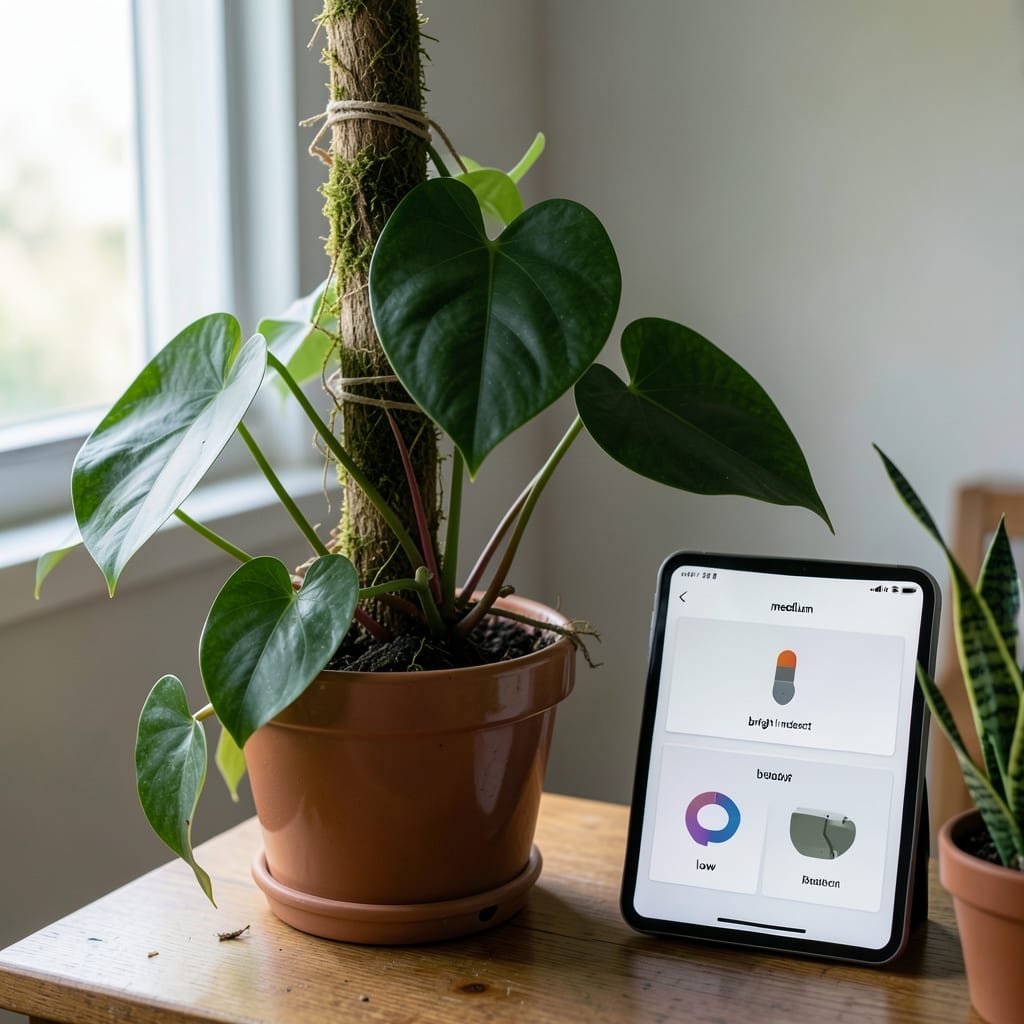
Philodendron light requirements: ideal sunlight conditions for healthy growth
Philodendrons thrive in low to medium indirect light, making them perfect for homes with limited natural sunlight. Unlike sun-loving plants, they can’t handle direct rays, which burn their leaves and stunt growth. The key is finding that sweet spot where they get enough light to photosynthesize but stay protected from harsh UV exposure.
Most philodendrons do well with 2-4 hours of filtered sunlight daily. Think of it like a gentle morning glow—bright enough to keep them happy but not intense. A north-facing window is ideal because it provides consistent, soft light without the harsh afternoon sun that south-facing windows deliver.
If you notice your philodendron’s leaves turning yellow or brown, it’s likely getting too much direct sun. On the flip side, if the leaves are small and pale with long stems stretching toward the light, it’s begging for more brightness. These are classic signs your plant isn’t getting the right light balance.
Here’s a quick breakdown of what to watch for:
Philodendrons are surprisingly adaptable, which is why they’re a favorite for beginners. Some varieties, like the Heartleaf philodendron, can even tolerate artificial lighting if natural light is scarce. Just place them within 2-3 feet of a fluorescent or LED bulb to mimic the soft glow they love.
For outdoor growers, philodendrons make stunning houseplants for shaded patios or under tree canopies. They’ll appreciate the humidity and gentle light but avoid placing them in full sun, where they’ll quickly show signs of stress. A dappled shade spot is perfect for encouraging lush, healthy growth.
One common mistake is assuming all philodendrons have the same light needs. While most are low-light tolerant, varieties like Philodendron Brasil or Philodendron Xanadu prefer slightly brighter conditions. Always check the specific care needs of your variety to avoid over- or under-exposing it.
If you’re unsure whether your space is too dark, try this trick: Place your hand near the plant during the day. If the light feels dim and cool (like a cloudy day), it’s likely too low. If it’s warm and bright, you’re in the ideal range. Adjust by moving the plant closer or adding a reflective surface, like a mirror, to bounce extra light their way.
Remember, philodendrons are forgiving, but consistency is key. Sudden changes in light can shock the plant, causing leaf drop or slowed growth. Gradually introduce adjustments over a week or two to help it acclimate smoothly.
With the right light, your philodendron will reward you with vibrant, glossy leaves and vigorous growth. Start by assessing your space, then fine-tune until you find that perfect balance—your plant will thank you with lush, thriving foliage! 🌿
How to adjust your home’s lighting for a thriving philodendron
Finding the right light spot for your philodendron isn’t just about placing it near a window—it’s about creating the perfect balance of bright indirect light that mimics its natural tropical habitat. If your home has dim corners or harsh direct sunlight, don’t worry! With a few simple adjustments, you can transform even the trickiest spaces into ideal philodendron environments.
Start by observing your plant’s current location. If the leaves are pale and stretched, it’s craving more light. If they’re yellowing or crispy, it’s getting too much direct sun. The key is to position your philodendron where it receives 2-4 hours of filtered light daily, like near an east-facing window or under sheer curtains on a south-facing window.
For homes with low natural light, grow lights are a game-changer. A simple LED grow light placed 6-12 inches above your philodendron can provide the full-spectrum light it needs to thrive. Aim for 12-14 hours of light daily, and position the light so it covers the plant’s canopy evenly. Avoid placing it too close, as this can cause leaf burn.
If your philodendron starts showing signs of light deficiency, like small leaves or elongated stems, it’s time to intervene. Move it closer to a brighter window or supplement with a grow light. Conversely, if leaves develop brown patches or crisp edges, it’s getting too much direct sun—relocate it to a shadier spot immediately.
Pro tip: Group your philodendron with other low-light plants like pothos or snake plants. They’ll all benefit from the same gentle light conditions, creating a thriving mini jungle in your home. With the right adjustments, your philodendron will reward you with lush, vibrant growth year-round! 🌿