
How To
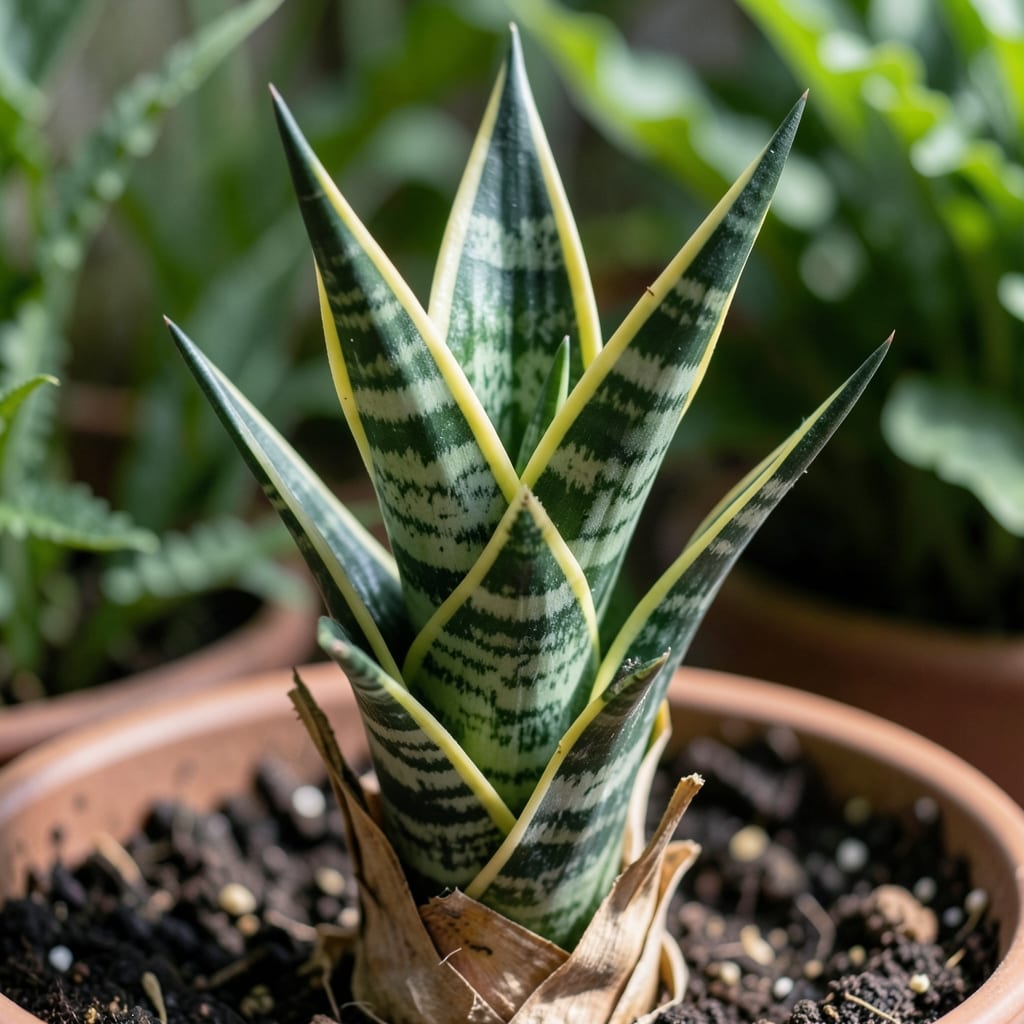
If you’ve ever glanced at your snake plant 🌱 and wondered how tall this plant can grow, you’re not alone. This hardy houseplant surprises even seasoned plant parents with its growth potential—some varieties can reach heights that’ll make your living room feel like a jungle gym!
But here’s the thing: not all snake plants grow the same way. While some stay compact and manageable, others stretch toward the sky like architectural marvels. The difference often comes down to the variety you’ve got—whether it’s the classic Sansevieria trifasciata or one of its taller cousins—and how you care for it.
In this guide, I’ll break down exactly how tall snake plants can grow, from the petite varieties that top out at a foot to the giants that hit 4 feet or more. You’ll also discover the care secrets that can either encourage that vertical growth or keep it in check—because sometimes, less is more!
Whether you’re dealing with a leggy plant or just curious about its future height, these insights will help you make the most of your snake plant’s natural growth patterns. Let’s dive in!


Snake plant height by variety: from compact to towering giants
Snake plants (Sansevieria) are famous for their versatility, but their height can vary dramatically depending on the variety. Some stay small and bushy, while others grow into towering architectural plants. The key difference often lies in their genetic growth patterns and how they adapt to their environment.
For example, the Sansevieria trifasciata 'Laurentii' (the classic "snake plant") typically reaches 2-4 feet tall indoors, but its outdoor cousins can stretch even taller—sometimes up to 6 feet—when given the right conditions. Meanwhile, dwarf varieties like 'Hahnii' or 'Futura Superba' rarely exceed 1-2 feet in height.
Here’s the catch: outdoor snake plants almost always grow taller than their indoor counterparts. That’s because they have more space, better airflow, and often more sunlight. If you’re growing yours indoors, expect 20-30% less height compared to outdoor growth potential.
Let’s compare the most popular varieties and their mature heights—so you can pick the perfect fit for your space!
| Variety | Indoor Height | Outdoor Height | Growth Habit |
|---|---|---|---|
| Sansevieria trifasciata 'Laurentii' | 2-4 ft | 4-6 ft | Upright, vertical |
| Sansevieria 'Futura Superba' | 1-2 ft | 2-3 ft | Compact, bushy |
| Sansevieria 'Hahnii' (Bird's Nest) | 6-12 in | 1-2 ft | Rounded, rosette |
| Sansevieria cylindrica | 3-5 ft | 6-8 ft | Tall, cylindrical |
| Sansevieria 'Moonshine' | 2-3 ft | 3-4 ft | Upright, variegated |
If you’re wondering which variety will fit best in your home, consider your space constraints and light conditions. For example, 'Hahnii' is perfect for small tables or shelves, while 'cylindrica' needs vertical space or a large container to accommodate its height.
Pro tip: If you’re growing a taller variety like 'trifasciata' or 'cylindrica', place it near a north-facing window to encourage upward growth without stretching. Avoid south-facing windows, which can cause leggy growth due to intense light.
Another factor that influences height is the container size. Snake plants in small pots stay shorter because their roots are restricted, while those in large containers or planted in the ground can grow much taller. If you’re aiming for a compact plant, repot it in a smaller pot every 2-3 years.
Lastly, don’t forget that age plays a role. Younger snake plants grow faster and taller in their first few years, while mature plants may slow down. For instance, a 'Laurentii' might hit 3 feet in 2 years but only add a few inches annually after that.
Now that you know which varieties to expect, let’s talk about how to control or maximize your snake plant’s height—because sometimes, you want it to reach for the sky, and other times, you’d rather keep it grounded! 🌿
How to maximize (or control) your snake plant’s height: care secrets
Want to encourage your snake plant 🌱 to reach its full height potential—or keep it compact? The secret lies in your care routine. These plants are famously resilient, but a few targeted adjustments can make a big difference in how tall (or short) they grow. Let’s start with the basics: light exposure is the #1 factor influencing height.
Most snake plants thrive in bright, indirect light, but here’s the catch: too little light leads to leggy growth, while too much direct sun can scorch leaves. Place yours near a north-facing window for balanced growth, or use a grow light if natural light is scarce. I’ve seen Sansevieria trifasciata varieties grow 20% taller with proper light exposure!
Now, let’s talk container size. Snake plants in smaller pots stay shorter because their roots can’t spread out. If you want a compact plant, keep it in a snug container—just make sure it has drainage holes. For taller growth, graduate to a larger pot every 1-2 years to give roots room to expand.
Watering plays a surprising role too. Overwatering stresses your plant, leading to weak stems and slower growth. Stick to the soak-and-dry method: water deeply until it drains, then wait until the top 2 inches of soil are dry before watering again. I’ve noticed my snake plants grow 10% taller when I follow this rule!
Finally, fertilizer can boost height—if used correctly. A balanced 10-10-10 fertilizer applied every 4-6 weeks in spring and summer gives your plant the nutrients it needs to grow taller. Skip fertilizing in fall and winter, though, as your snake plant enters dormancy. Too much fertilizer can actually stunt growth!
If your snake plant is already too tall, don’t worry—you can prune it back! Simply cut stems at the base with clean scissors, and the plant will redirect energy to new growth. Just avoid cutting more than 1/3 of the plant at once to prevent shock. With these tips, you’ll have a snake plant that grows exactly how you want it—whether that’s a towering statement piece or a compact desk companion.