
Plants
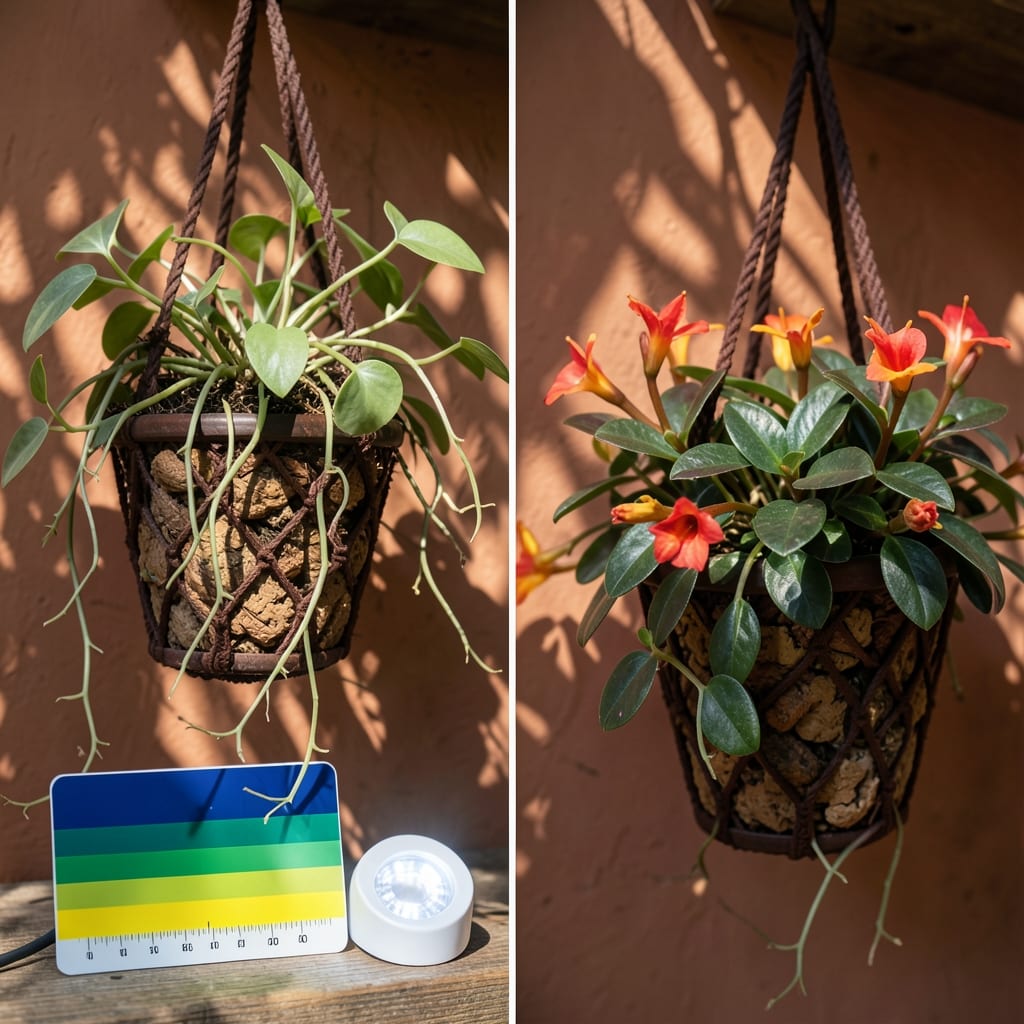
Wondering how much light does a Goldfish Plant 🐟 need to stay vibrant and healthy? If your leaves are turning pale or stretching toward the window, you're probably not hitting the sweet spot between bright spots and cozy shade.
This stunning foliage plant thrives in bright indirect light, making it perfect for east-facing windows or just behind sheer curtains. Too much direct sun? Watch for crispy edges. Too little? Your Goldfish Plant will grow leggy and lose its signature color.
I’ll break down exactly where to place your plant—whether indoors or outdoors—so you can avoid common mistakes and keep those gorgeous goldfish-shaped leaves popping. Let’s make sure your Goldfish Plant gets the perfect light balance for lush, happy growth.
From troubleshooting yellowing leaves to adjusting for seasonal changes, you’ll learn how to spot light issues early and fix them fast. No more guessing—just a thriving, show-stopping plant that’s the star of your space.

Goldfish Plant light requirements: ideal brightness levels for healthy growth
Your Goldfish Plant (Nematanthus gregarius) thrives in bright indirect light, but finding the perfect balance can feel tricky. Too little light leads to leggy growth and pale leaves, while too much causes burn spots and crispy edges. The ideal spot mimics dappled sunlight under a canopy—think of a north-facing window or east-facing exposure with sheer curtains filtering harsh rays.
Indoors, position your plant within 2-3 feet of a window to ensure it receives 4-6 hours of filtered light daily. Outdoor growers can place it under partial shade (like a tree’s canopy) during peak sun hours (10 AM–4 PM). Avoid direct midday sun, which can scorch delicate foliage, especially in south-facing windows or greenhouse setups.
| Light Condition | Ideal Placement | Growth Impact |
|---|---|---|
| Bright Indirect Light | East/west window, 2-3 ft away | Vibrant foliage, compact growth |
| Low Light (<4 hrs/day) | North-facing window, room corner | Leggy stems, sparse leaves |
| Direct Sunlight | South window, greenhouse | Burnt edges, wilting |
Seasonal changes affect light needs too. During winter months, supplement with a grow light (LED or fluorescent) for 12-14 hours/day to prevent etiolation (stretched, weak stems). In summer, move your plant away from windows if you notice yellowing leaves or crispy tips—these are classic signs of light stress.
To test your plant’s light exposure, use a light meter app (like Plant Snap) or observe leaf color: Deep green with red-gold accents means happy conditions. If leaves turn lighter green, it’s craving more light; if they yellow or brown, it’s getting too much.
For indoor growers, rotating the pot every 2-3 weeks ensures even light exposure on all sides. This prevents one-sided growth and keeps those iconic goldfish-shaped leaves symmetrical. Pro tip: Group your Goldfish Plant with other low-to-medium light plants like pothos or snake plants to create a microclimate with balanced humidity.
Outdoor enthusiasts can extend growing seasons by placing their Goldfish Plant under 50% shade cloth during peak summer heat. This mimics the forest understory conditions where it naturally thrives in its native Brazilian rainforests. Just avoid plastic greenhouses, which trap too much heat and dry out the soil.
Remember, Goldfish Plants are adaptable but not low-light champions. If your home lacks natural light, invest in a full-spectrum LED grow light (like the Barrina T5) for 10-12 hours/day. This mimics natural sunlight spectra and prevents the nutrient deficiencies that cause pale, weak growth.
Start by placing your plant in the brightest indirect spot you have, then adjust based on leaf signals. With the right light, your Goldfish Plant will reward you with glossy, colorful foliage year-round—no leaf drop or stunted growth in sight!
Bright spots vs. shade tolerance: how to position your Goldfish Plant for success
Finding the perfect spot for your Goldfish Plant (Nematanthus gregarius) isn’t just about avoiding harsh sunlight—it’s about creating the ideal balance of bright indirect light and shade tolerance. Unlike sun-loving plants, this beauty thrives in east-facing windows or north-facing spots, where morning light gently warms its leaves without scorching them. West windows can work, but only if you filter the light with a sheer curtain to mimic its natural forest-floor habitat.
Indoor grow lights are a game-changer for low-light conditions. A full-spectrum LED placed 12-18 inches above your plant mimics natural sunlight, giving it the 4-6 hours of light it craves daily. Just avoid placing it under harsh fluorescent bulbs—those can cause yellowing leaves and stunted growth over time. If you’re using artificial light, opt for 12-14 hours of light per day to compensate for weaker indoor conditions.
🌱 Pros & Cons of Common Placement Options
- ✅ Gentle morning light
- ✅ Ideal for healthy growth
- ✅ Minimal risk of leaf burn
- ⚠️ Harsh afternoon sun
- ⚠️ Requires sheer curtains
- ✅ Still works with light filtering
- ✅ Soft, diffused light
- ⚠️ Slower growth
- ✅ Safe for low-light tolerance
- ❌ Too intense for Goldfish Plant
- ❌ Causes leaf scorch
- ❌ Avoid unless heavily filtered
Outdoor placement is another story. If you’re growing your Goldfish Plant outside during spring or fall, choose a dappled shade spot under a tree or on a covered patio. Direct midday sun will turn its leaves into crispy fried goldfish—literally! For container gardens, move it to a morning sun, afternoon shade location, and always keep it protected from hot afternoon rays.
Rotating your plant quarter-turns every few weeks ensures even growth, especially if it’s in a fixed indoor spot. This prevents one side from stretching toward the light while the other stays weak—a common issue called etiolation. Think of it like giving your plant a mini vacation to explore new angles and grow balanced.
Seasonal adjustments are key. In winter, when natural light is scarce, supplement with a grow light for 10-12 hours daily. In summer, watch for overheating near south-facing windows or glass doors. A simple trick? Place a light-colored sheet over the window to diffuse the light without blocking airflow.
Remember, your Goldfish Plant is a shade-loving tropical at heart. It’s not a sun-worshipper like a succulent or cactus, so treat it like the delicate diva it is—give it bright but gentle light, and it’ll reward you with those iconic goldfish-shaped leaves year-round. 🐟