
How To
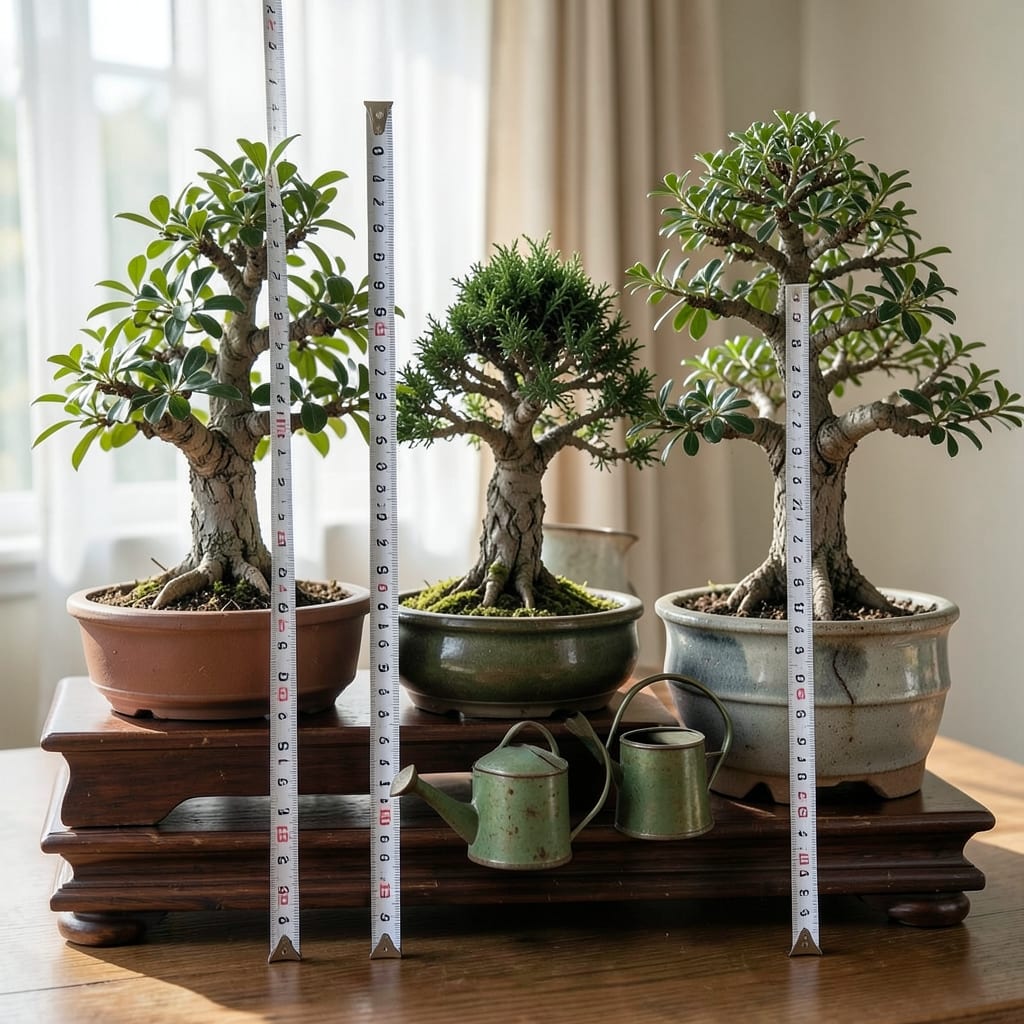
Ever wondered how tall your bonsai tree can grow—they might surprise you with their potential size? The answer lies in the species, your pruning skills, and a few surprising growth rules most beginners miss.
Some bonsai trees naturally top out at just 8 inches, while others can reach 3 feet if left unchecked. The key? Knowing which species lean toward dwarf or standard sizes—and how to control their growth through pruning, wiring, and seasonal care.
In this guide, I’ll break down the exact mature heights of popular bonsai varieties, the pruning techniques that keep them petite, and why your tree might be growing taller than expected (plus how to fix it). Whether you’re starting with a junipers or a ficus, you’ll learn the secrets to maintaining the perfect size.
Ready to take control? Let’s dive into the science—and art—of keeping your bonsai tree at the height you love, year after year.


Natural mature heights of popular bonsai species (with pruning limits)
Bonsai trees are miniature masterpieces, but their maximum height depends entirely on the species and your pruning skills. In nature, most bonsai species grow into towering trees—think 100-foot-tall pines or 80-foot junipers. As bonsai, however, their growth is artificially stunted through careful cultivation. The key is understanding each species’ natural growth potential versus its bonsai-friendly size.
For example, a ficus bonsai might reach 3 feet tall in a pot, while a meticulously pruned juniper bonsai could stay under 12 inches. The difference? Species genetics, pruning frequency, and growing conditions. Let’s break down the natural vs. bonsai heights for 12 popular species so you can set realistic expectations for your tree.
🌱
| Species | Natural Height (Outdoors) | Bonsai Height Range | Growth Speed | Pruning Notes |
|---|---|---|---|---|
| Japanese Black Pine (Pinus thunbergii) | 50–100 ft | 1–3 ft | Slow | Needs wiring for trunk shaping; prune needles in late summer. |
| Juniper (Juniperus procumbens) | 30–50 ft | 8–18 in | Moderate | Prune new growth in spring; avoid over-trimming needles. |
| Ficus (Ficus retusa) | 30–50 ft | 1.5–3 ft | Fast | Pinch new leaves early; root prune every 2 years. |
| Azalea (Rhododendron) | 10–20 ft | 1–2 ft | Moderate | Prune after flowering; avoid heavy root pruning. |
| Chinese Elm (Ulmus parvifolia) | 50–70 ft | 2–4 ft | Fast | Defoliate in spring for dense foliage; prune branches in summer. |
| Maple (Acer palmatum) | 20–30 ft | 1–2.5 ft | Slow | Prune new shoots in late summer; avoid heavy pruning in winter. |
| Jade (Crassula ovata) | 3–5 ft (indoors) | 6–12 in | Very Slow | Pinch tips to encourage branching
How pruning techniques control bonsai height (step-by-step rules)Pruning is the secret weapon for keeping your bonsai at your desired height. Unlike regular trees, bonsai rely on precise, seasonal pruning to control growth. The key is understanding when and how to prune—each technique targets different growth stages. For example, pinching new shoots in spring stops vertical growth early, while defoliation in summer forces energy into trunk thickness instead of height. Timing matters more than you think. Prune just after a growth spurt (like after rain or when leaves unfurl) to avoid shocking the tree. My Japanese Black Pine bonsai, for instance, gets a light pruning in late May to encourage branching before its summer flush. Miss this window, and you risk a 6-inch height spike in just two months! Here’s how to use each pruning method to control height—step by step: 🌱 Step-by-Step Pruning Guide for Height Control
Pro Tip: Always sterilize tools with rubbing alcohol to prevent disease. Over-pruning in one session can stress the tree—stick to 10-20% removal per session. Wiring is especially powerful for shaping and controlling height. I once used wiring to lower a 2-foot Ficus bonsai’s branches by 45 degrees over 4 months—its vertical growth slowed dramatically because the tree focused energy on thickening the trunk and filling out the canopy. Just remember: Remove wires before they cut into the bark! Seasonal timing is non-negotiable. Prune too early (like in winter), and you’ll stunt growth entirely. Prune too late (after August), and you’ll encourage uncontrolled height spikes before dormancy. My Juniper bonsai, for example, gets its final pruning in early September to harden off before winter. For fast-growing species like Ficus or Chinese Elm, combine defoliation + root pruning every other year to keep height gains under 2 inches annually. Slow growers like Pine or Azalea need less aggressive pruning—just light tip trims twice a year will maintain their height for decades. 🌿 |