
Plants
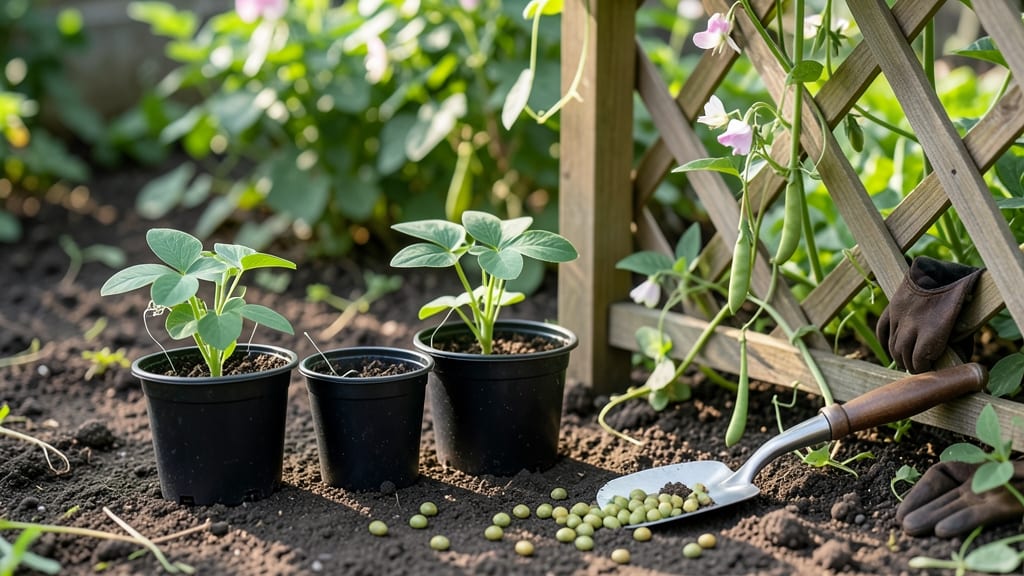
Timing your pea planting in Arkansas isn't just about following a calendar—it's about catching that sweet spot when soil temperatures and frost risks align for fast germination and a bountiful harvest.
With Arkansas's 7a-8b climate zones, gardeners have two prime windows: early spring and fall, but getting the timing wrong can mean struggling with slow starts or missed opportunities.
Most gardeners assume peas can handle Arkansas's cool springs, but the truth is, they thrive when soil warmth hits 40-75°F—a range that varies dramatically between northern and southern regions. Plant too early, and you risk frost damage; too late, and your peas may bolt or struggle in summer heat.
The key is understanding your microclimate and adjusting your schedule accordingly.
In this guide, I'll break down exactly when to plant peas in Arkansas—whether you're in the cooler northern hills or the warmer southern valleys—so you can maximize your yield without the guesswork.
You'll also discover how to test soil warmth like a pro and pick the best pea varieties for your timing.
Ready to turn your garden into a pea powerhouse? Let's dive into the strategies that will have your 🌱 peas popping up in record time and your harvest table overflowing with fresh, sweet pods.
Best planting times for peas in Arkansas by soil temperature
Peas thrive in cool soil temperatures between 40°F and 75°F, making timing critical in Arkansas's USDA Zones 7a-8b. Planting too early risks cold soil, while waiting too long can lead to heat stress before harvest.
The key is aligning your schedule with Arkansas's frost dates and soil warmth patterns.
In Arkansas, spring planting typically begins 4-6 weeks before the last frost date (around March 15 in most regions). For fall planting, aim to sow seeds 6-8 weeks before the first frost (around November 15). However, these dates vary slightly between northern and southern Arkansas due to microclimates.
Northern Arkansas (Zones 7a-7b) has cooler soils and a shorter growing season. Gardeners here should start peas as early as late February under row covers or wait until mid-March for direct sowing.
Southern Arkansas (Zones 8a-8b) enjoys warmer soils earlier, allowing plantings to begin by early March.
🌱 Arkansas Pea Planting Timeline by Soil Temperature
| Planting Window | Ideal Soil Temp (°F) | Arkansas Regions | Frost Risk | Actionable Tip |
|---|---|---|---|---|
| Early Spring | 40-50°F | North: Late Feb South: Early March |
High (use row covers) | Test soil temp with a thermometer before planting |
| Mid-Spring | 50-65°F | Statewide: March 15-April 15 | Moderate (last frost risk) | Plant 1 inch deep, 2 inches apart |
| Late Spring | 65-75°F | North: After April 15 South: After April 1 |
Low (post-frost) | Avoid planting after May 1 (heat stress risk) |
| Fall | 50-65°F | Statewide: August 15-September 15 | Moderate (first frost risk) | Choose heat-tolerant varieties for late plantings |
For fastest germination, peas need soil temperatures above 40°F. If your soil is colder, use black plastic mulch or row covers to warm it. In northern Arkansas, gardeners often plant sugar snap peas under cloches in February for an early harvest.
Arkansas's humid climate can also affect planting. Afternoon showers are common in spring, so avoid planting when soil is waterlogged. Wait until the ground is dry enough to crumble before sowing seeds.
In southern Arkansas, where soils warm faster, you can extend the spring window into early April.
Fall plantings in Arkansas require careful timing. Sow seeds by mid-September in northern regions to ensure harvest before frost. Southern Arkansas gardeners can push this to late September, but monitor weather forecasts closely. A hard frost can kill pea plants overnight, so plan for 60-70 days to maturity.
Pro tip: Use the "10-day rule" for Arkansas plantings. If the 10-day forecast shows consistent warmth (above 50°F), it's safe to plant. This helps account for Arkansas's unpredictable spring weather. Always have row covers on hand for late frosts.
Container gardening is another option for Arkansas gardeners with limited space. Fill containers with well-draining potting mix and plant seeds when soil reaches 50°F. Containers warm up faster than in-ground soil, extending your planting window by 1-2 weeks in spring and fall.
Remember: Peas are sensitive to heat. Once soil temperatures exceed 75°F, germination slows and plants may bolt prematurely. In Arkansas's hot summers, focus on fall plantings for the best success.
Best planting times for peas in Arkansas by soil temperature
In Arkansas, pea germination thrives when soil temperatures range between 40°F and 75°F. Planting too early in cold soil can delay sprouting, while waiting too long risks summer heat stress.
The last frost date in Arkansas typically falls around March 15, but soil warmth is the real deciding factor.
Northern Arkansas (USDA Zone 7a) has cooler soils, so aim for early March to mid-April plantings. Southern Arkansas (Zone 8b) can start slightly later, around mid-March to early May, thanks to warmer microclimates.
Fall plantings should occur 8-10 weeks before first frost (usually August to early September).
| Planting Window | Soil Temp (°F) | Arkansas Regions | Frost Risk |
|---|---|---|---|
| Early Spring | 40-50°F | North (Zone 7a) | High (March) |
| Mid-Spring | 50-65°F | All Regions | Moderate (April) |
| Late Spring | 65-75°F | South (Zone 8b) | Low (May) |
| Fall | 55-70°F | All Regions | Moderate (Sept) |
For fastest germination, wait until soil reaches at least 50°F—even if air temperatures are cooler. Use a soil thermometer to check depths of 2-3 inches, where pea seeds will be planted.
In northern Arkansas, this often means delaying until late March, while southern Arkansas gardeners can start as early as mid-February in protected microclimates.
Fall plantings require careful timing too. Shoot for August 15 to September 1 to ensure peas mature before first frost. Late plantings in September may struggle with shortened daylight and cooler nights, leading to slower growth.
Always account for your pea variety's maturity time—fast-maturing types like 'Little Marvel' (55 days) work better than slower varieties in late-season plantings.
Pro tip: Use black plastic mulch to warm soil faster in early spring, or row covers to protect young plants from late frosts. These tricks can extend your planting window by 2-3 weeks in both spring and fall.
Just remember—peas hate heat, so avoid planting when daytime highs exceed 85°F.
If you're unsure about your local frost dates, check the Arkansas Climate Office or your county extension service for historical data. They can provide 10-year averages that account for Arkansas's variable microclimates—from the cooler Ozark Mountains to the warmer Delta regions. 🌱