
Trees
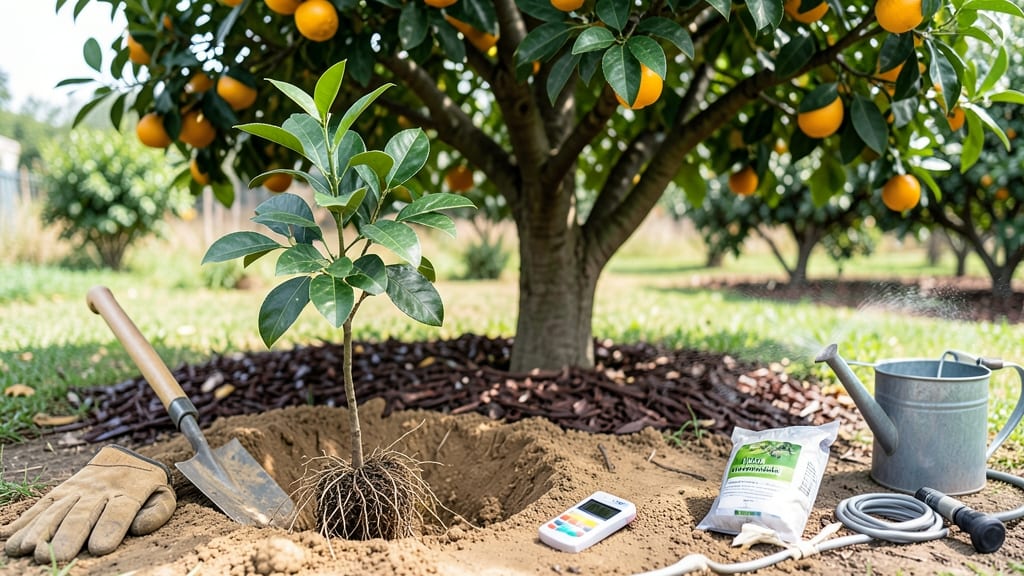
Planting your orange tree 🍊 at the wrong time in Arizona could mean the difference between a thriving citrus grove and a sad, struggling sapling. Unlike other states, Arizona’s frost-free winters and brutal summers demand precise timing—especially since citrus trees hate both extreme heat and sudden cold snaps (even though they’re rare here).
The ideal window for planting orange trees in Arizona runs from November through March, when temperatures are mild and the soil hasn’t baked into a concrete slab.
But here’s the catch: even within that range, microclimates—like the cooler mountain foothills or the scorching desert valleys—can shift your best planting date by weeks. Miss the mark, and you risk stunted growth or worse.
I’ve seen firsthand how a well-timed planting in late winter can set your tree up for explosive growth, while a summer transplant turns into a slow, suffering ordeal. Whether you’re a backyard gardener or dreaming of a full citrus orchard, getting this right is the key to juicy oranges year-round.
Let’s break down exactly when to dig that hole, how to prep your soil for Arizona’s unique conditions, and why some growers swear by early spring starts—plus how to work around the rare frost advisories that sneak into even the warmest zones.
Best planting months for orange trees in Arizona’s heat zones
Arizona’s frost-free winters and intense sun create perfect conditions for orange trees—but timing your planting is everything. Unlike northern climates, you’re not racing against frost; instead, you’re navigating heatwaves, monsoon patterns, and soil temperature shifts.
Plant too early, and your tree may struggle with winter chill needs. Plant too late, and summer’s brutal heat can shock young roots.
The ideal window spans from November through March, when daytime temps hover between 60°F–75°F. This range gives roots time to establish before the April heat surge kicks in.
Valencia oranges, for example, thrive when planted in January–February, while Meyer varieties can handle a slightly later start in February–March.
Here’s how Arizona’s USDA Zones 9b–11 break down for planting:
For container-grown orange trees, you can push planting into April—just move pots to shaded areas during 100°F+ days. The key is ensuring soil stays consistently moist but never waterlogged, as Arizona’s caliche soil drains poorly without amendments.
Pro tip: Test soil 3–4 inches deep before planting. If it’s cooler than 60°F, delay until temps rise. Use a soil thermometer—it’s your best tool for avoiding root shock in young trees.
Meyer oranges, known for their cold tolerance, can sometimes handle October planting in higher elevations (e.g., Flagstaff’s Zone 7b). However, most Arizona growers stick to post-monsoon (late Sept–Oct) soil prep to ensure roots don’t dry out before winter.
Remember: Dwarf varieties like ‘Calamondin’ establish faster, so they’re ideal for urban gardeners who might plant in March—just pair them with 50% shade cloth until roots spread.
🌱
Best planting months for orange trees in Arizona’s heat zones
Arizona’s USDA zones 9b-11 offer year-round citrus growing potential, but planting timing directly impacts your orange tree’s survival and fruit yield. Unlike frost-prone states, Arizona’s challenges are intense summer heat and occasional unpredictable cold snaps in high-altitude areas.
The ideal planting window spans from November through March, aligning with cooler temperatures and the monsoon season’s moisture.
Early planting in November-December gives young trees a head start before summer’s brutal heat arrives.
This window also avoids soil compaction from summer rains and provides moderate humidity for root establishment. Meyer lemon and Valencia orange varieties, popular in Arizona, thrive when planted in these months due to their adaptability to desert climates.
🌱 Did You Know? Arizona’s microclimates can shift planting windows by 2-4 weeks. Low desert areas like Yuma (Zone 10a) can plant as late as April, while high-altitude Flagstaff (Zone 7b) should plant by March to avoid late frosts.
| 🌡️ Arizona Zone | 📅 Best Planting Window | 🌡️ Avg. Temp During Planting | 🍊 Best Varieties |
|---|---|---|---|
| 9b (Prescott, Payson) | November - February | 45°F - 65°F | Meyer Lemon, Navel Orange |
| 10a (Phoenix, Tucson) | November - March | 50°F - 70°F | Valencia Orange, Blood Orange |
| 11 (Yuma, Lower Colorado River) | November - April | 55°F - 75°F | Carrizo Citrange, Satsuma Mandarin |
Planting in late winter (February-March) offers warmer soil temperatures, which encourages faster root growth. This is especially critical for bare-root trees, which establish roots more quickly in 60°F+ soil.
However, avoid planting in April-May unless you’re in Zone 11, as summer’s 110°F+ heat can shock young trees.
For container-grown orange trees, the window extends slightly into April in low-desert zones, but always acclimate plants for 1-2 weeks before transplanting. Harden off potted trees by gradually reducing shade and increasing sun exposure over 7-10 days to prevent sunburn on tender leaves.
🌱 Pro Tip: Time your planting with Arizona’s monsoon season (July-September) by preparing the soil in May-June. This gives roots a moisture head start before summer’s peak heat arrives. Mulch heavily with wood chips or straw to retain soil moisture and regulate temperatures.