
Plants
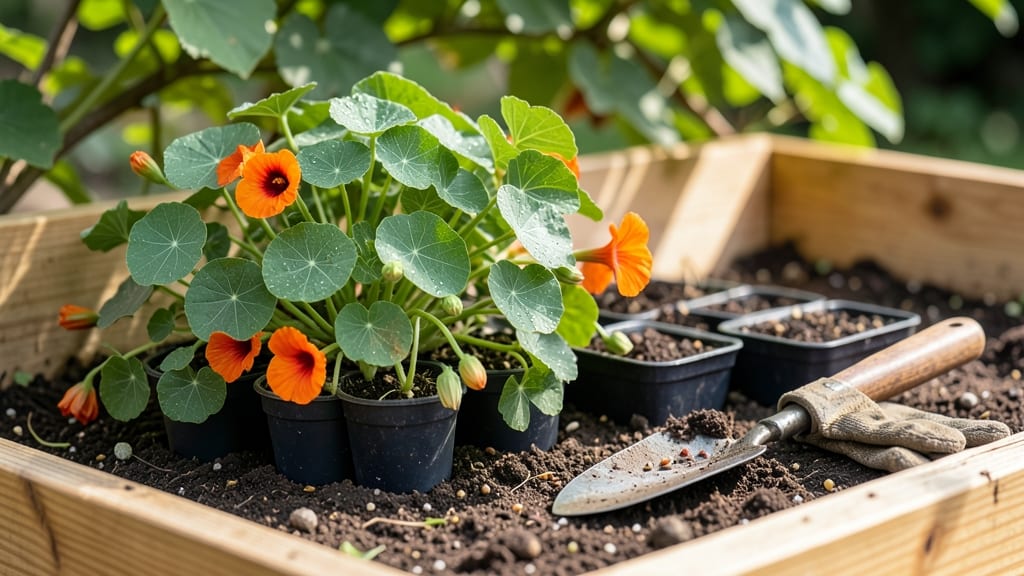
When to plant nasturtium seeds in Southern California means the difference between a vibrant garden and a missed opportunity. This cheerful 🌱 plant thrives in SoCal's mild winters but needs precise planting windows to avoid heat stress or frost surprises—especially when coastal breezes clash with inland heat.
You might think you can plant anytime, but the ideal window shifts dramatically depending on whether you're near the ocean, in the desert, or tucked between mountains. Coastal areas like San Diego offer longer growing seasons, while inland spots like Riverside face earlier heat waves that can scorch young seedlings.
Let me show you exactly when to start seeds indoors, when to direct-sow outdoors, and how to stretch your blooming season from spring to fall. With these microclimate-specific tips, you'll enjoy edible flowers that repel pests and add color to your garden for months.
We'll also cover soil prep, spacing tricks, and how to handle those tricky summer heat waves—so your Nasturtiums grow strong and healthy, no matter where in SoCal you garden. Ready to get started?
Optimal planting windows for nasturtium seeds by Southern California region
Southern California’s microclimates create a unique challenge for nasturtium seed planting. Coastal areas like Malibu or Santa Barbara enjoy milder winters, while inland zones like Riverside or Palm Springs face scorching summers.
Even San Diego’s coastal edge differs from its inland valleys by 10-15°F in winter. Understanding these variations ensures your edible flowers thrive year-round.
Nasturtiums (Tropaeolum majus) are heat-tolerant annuals that love warmth but hate soggy soil. In Southern California, the ideal soil temperature for germination is 60-75°F.
Coastal regions can start seeds as early as late February, while desert areas should wait until mid-March to avoid spring heatwaves that can fry seedlings.
Here’s how to time your nasturtium planting across SoCal’s three main zones:
| Region | Best Planting Window | Soil Temp | Key Considerations |
|---|---|---|---|
| Coastal (LA, San Diego, Santa Barbara) | Late February–April | 60–70°F | Watch for May gray drizzle; use row covers if nights dip below 50°F. |
| Inland (San Fernando Valley, Orange County) | Mid-March–May | 70–75°F | Avoid April heatwaves (>90°F); opt for shade cloth if planting early. |
| Desert (Palm Springs, Riverside) | April–June | 75–85°F | Plant in deep shade until soil cools; succession plant every 3 weeks for continuous blooms. |
For coastal gardeners, late February is your sweet spot—seeds germinate in 7-14 days when soil hits 65°F. In San Diego’s inland valleys, delay until mid-March to sidestep April’s unpredictable rains. Desert growers should never plant before April; June sowings often yield the most vibrant blooms.
Pro tip: Use a soil thermometer to monitor temperatures. Nasturtiums hate cold soil—if it’s below 60°F, wait. For container gardening, heat mats can jumpstart germination in chilly coastal mornings.
Once seeds sprout, thin seedlings to 12–18 inches apart for bushier plants. Direct sowing is best—nasturtiums hate transplant shock. In hot inland zones, try shade cloth until seedlings are 2 inches tall.
Did you know? Nasturtiums bloom faster in full sun but can handle partial shade in desert areas. Orange varieties like ‘Alaska’ thrive in heat, while red ‘Empress of India’ prefers coastal cool. Choose wisely!
For year-round blooms, stagger plantings every 3–4 weeks. This ensures continuous edible flowers from spring to frost. In desert climates, even winter plantings can work with row covers.
🌱
Optimal planting windows for nasturtium seeds by Southern California region
Southern California’s microclimates create a planting puzzle for nasturtiums. Coastal areas like Malibu and San Diego enjoy mild winters, while inland zones like Riverside face hotter summers. Understanding these differences is key to timing your nasturtium seeds for success.
Nasturtiums thrive in USDA Zones 9-11, meaning they can grow year-round in most of SoCal. However, heat tolerance varies by variety. Alaska and Empress types handle 100°F+ better than delicate Jewel Mix varieties.
Here’s how to align your planting with SoCal’s three key regions:
| Region | Best Planting Window | Key Considerations | Varieties to Choose |
|---|---|---|---|
| Coastal (LA, Santa Barbara, San Diego) | Year-round (avoid Dec-Feb for slugs) | Mild winters (40-60°F nights), high humidity | Alaska, Peppermint, Jewel Mix |
| Inland (San Fernando Valley, Orange County) | Feb-Apr and Aug-Sept (avoid summer heat) | Hot summers (90-110°F), dry soil | Empress, Mascot, Cherry Bomb |
| Desert (Palm Springs, Coachella Valley) | Oct-Nov and Feb-Mar only | Extreme heat (115°F+ summers), low humidity | Alaska, Empress (heat-tolerant only) |
For coastal gardens, I recommend starting seeds indoors in late January to transplant outdoors by March 1st. This gives seedlings a head start before slugs become active. In inland areas, direct-sow after the last 80°F+ day of summer—typically mid-September.
Desert gardeners should focus on fall planting when soil temps drop below 85°F. Use shade cloth for summer sowings to prevent seedling stress. Always test soil moisture—dryness is the #1 killer of young nasturtiums in SoCal’s Mediterranean climate.
Pro tip: Mark your calendar for April 15th (coastal) and October 1st (inland/desert) as your last chance for spring/fall crops. Nasturtiums grow 3x faster with consistent morning watering and well-draining soil.